


Temporary Accommodation
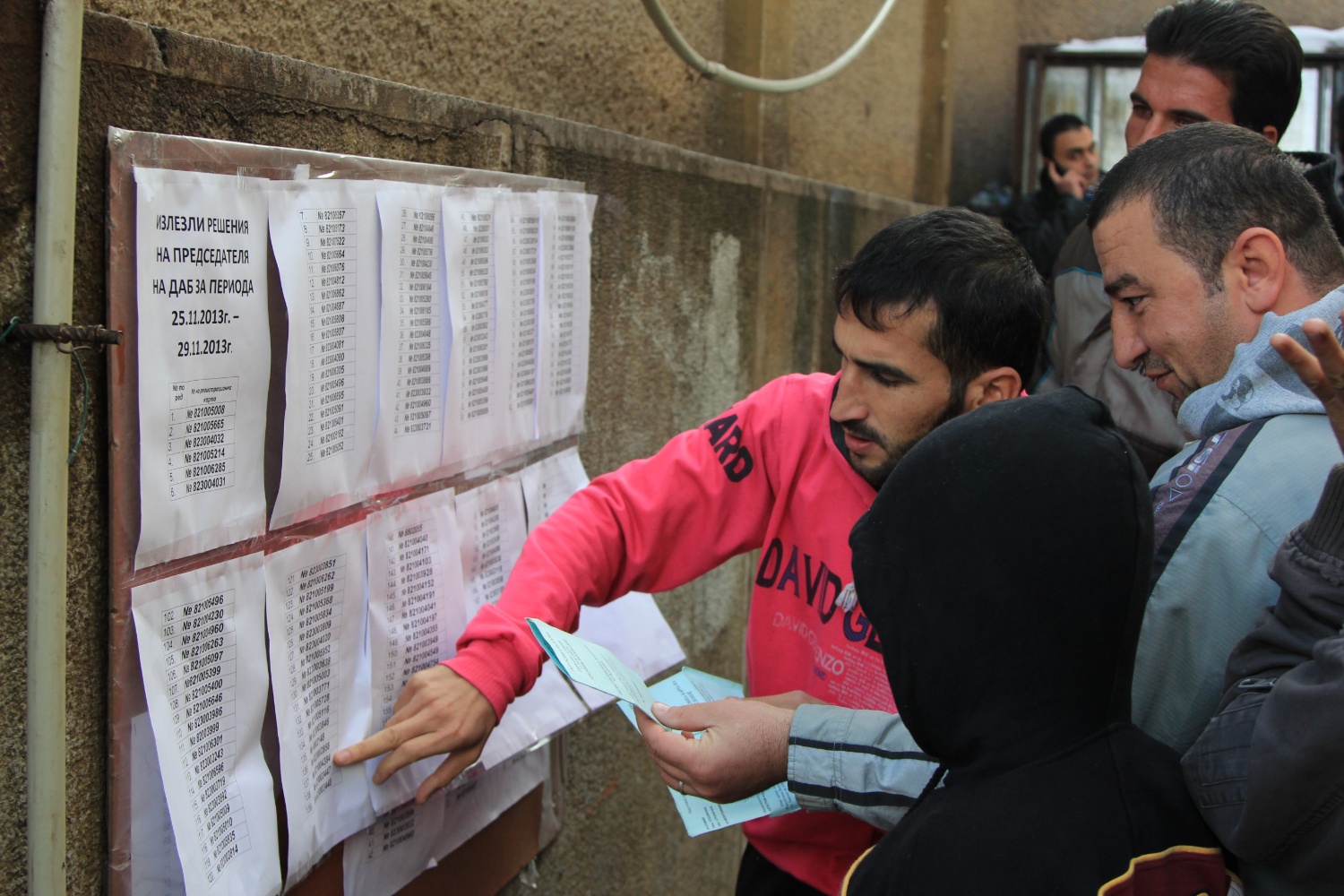
Despite the fact that, historically, Bulgaria has been a crossroads of cultures, the country was not used to welcome foreigners, the more so if they were Muslims. From 1990 to 2013, the Balkan country received an average of 900 asylum applications per year. However, at the end of 2013, more than 11,000 people were caught irregulary crossing the steep forests that separate Bulgaria and Turkey. Compared to other countries, the amount seems insignificant, but it was more than enough to expose the ineffectiveness of the Bulgarian asylum system.
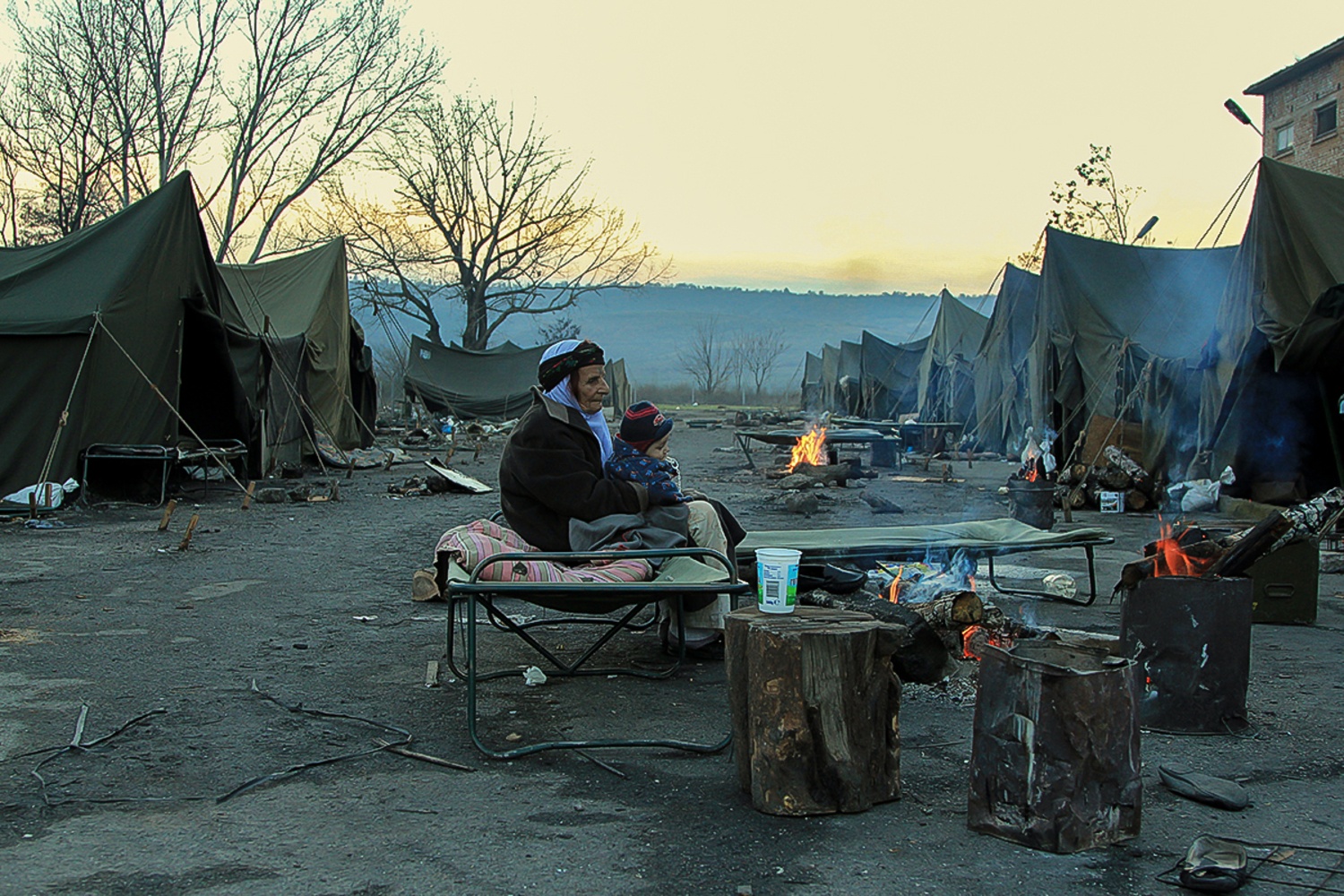
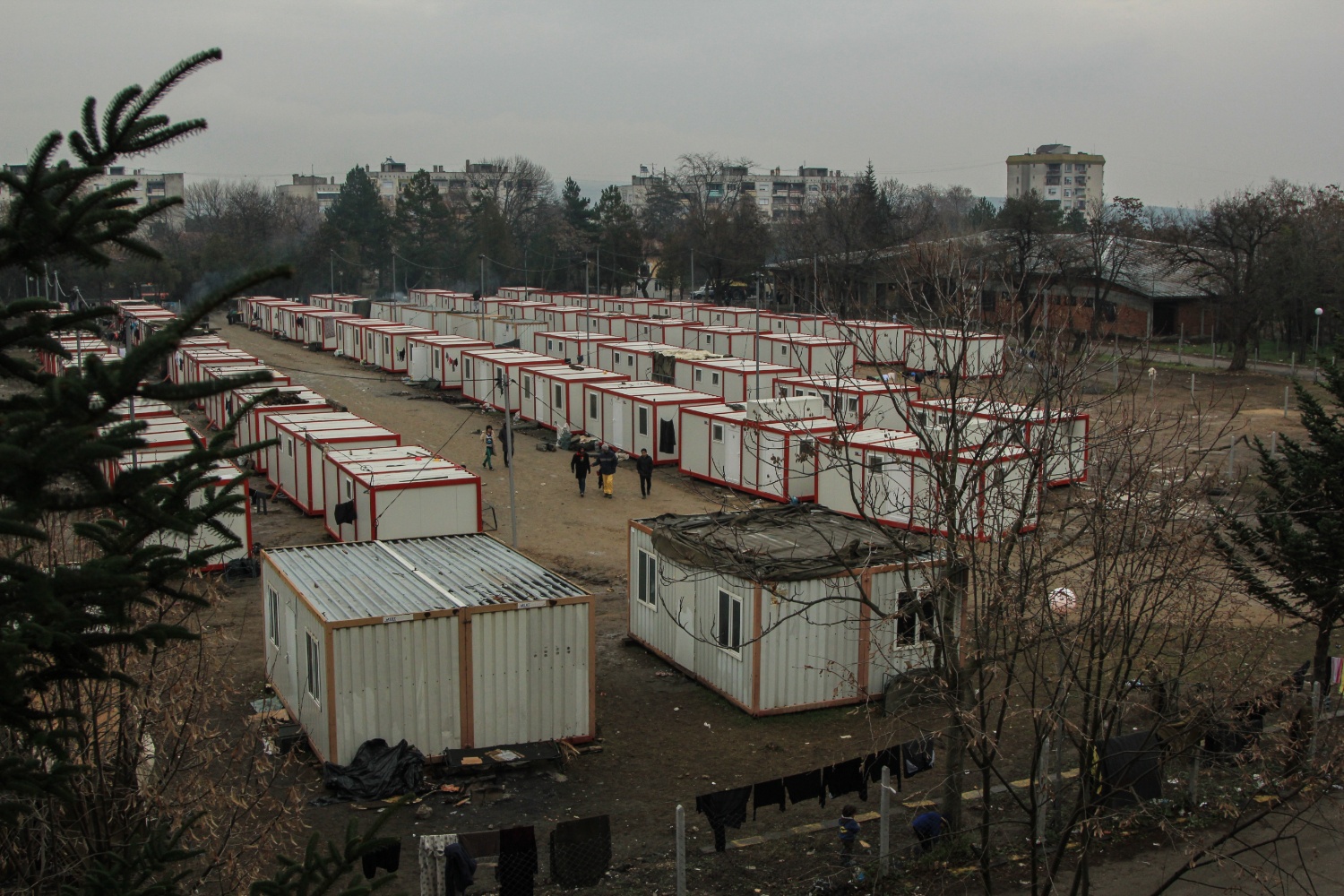
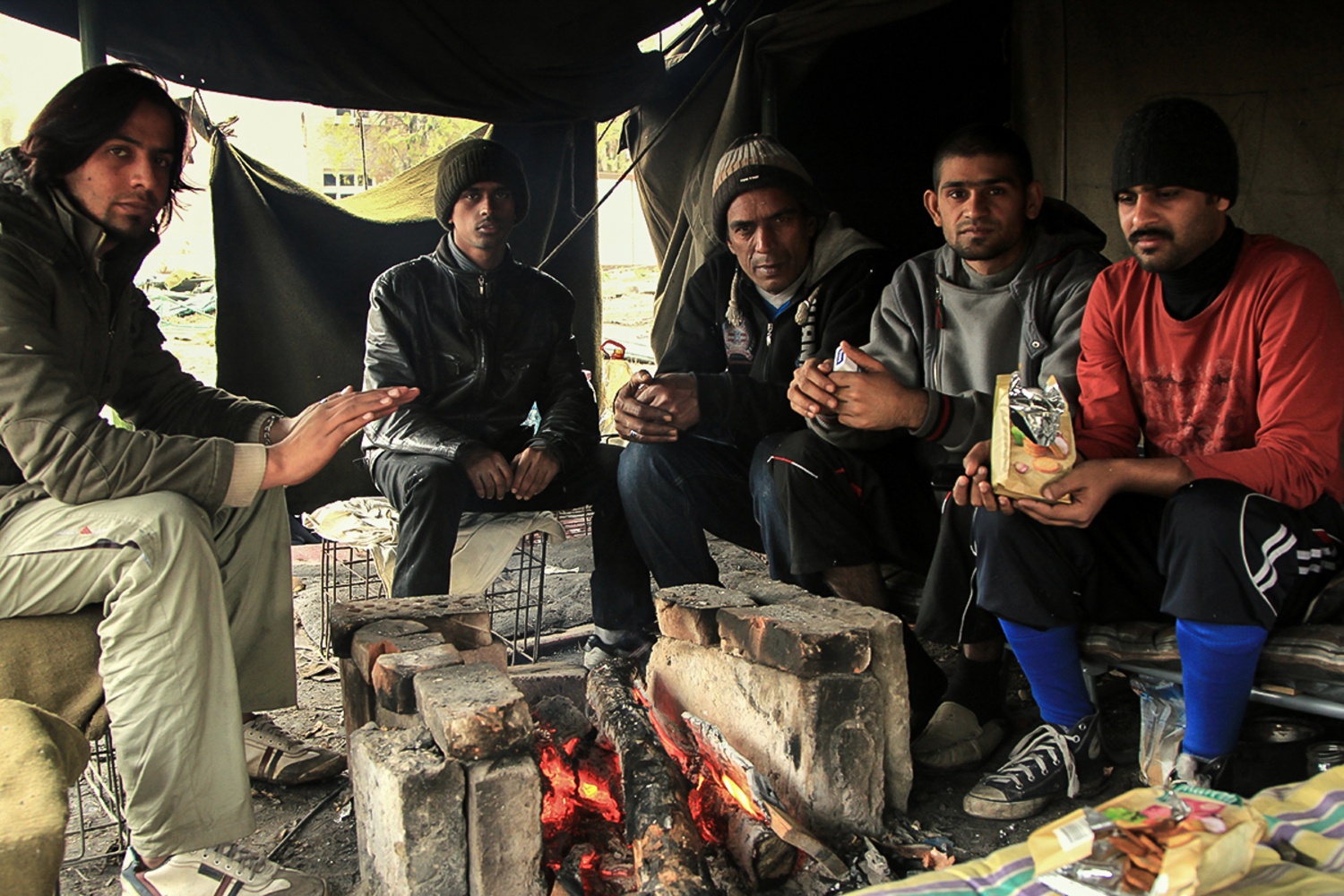
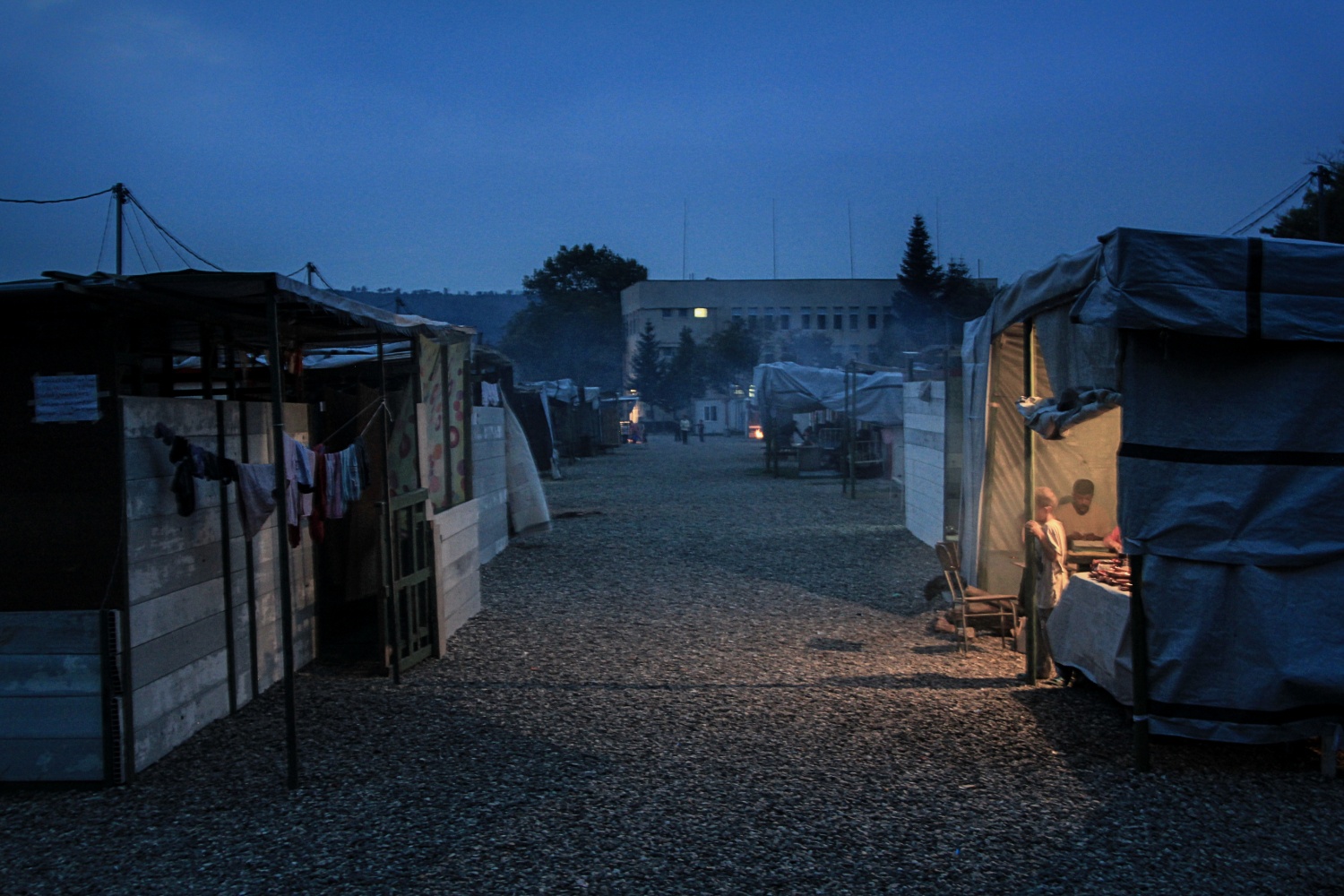
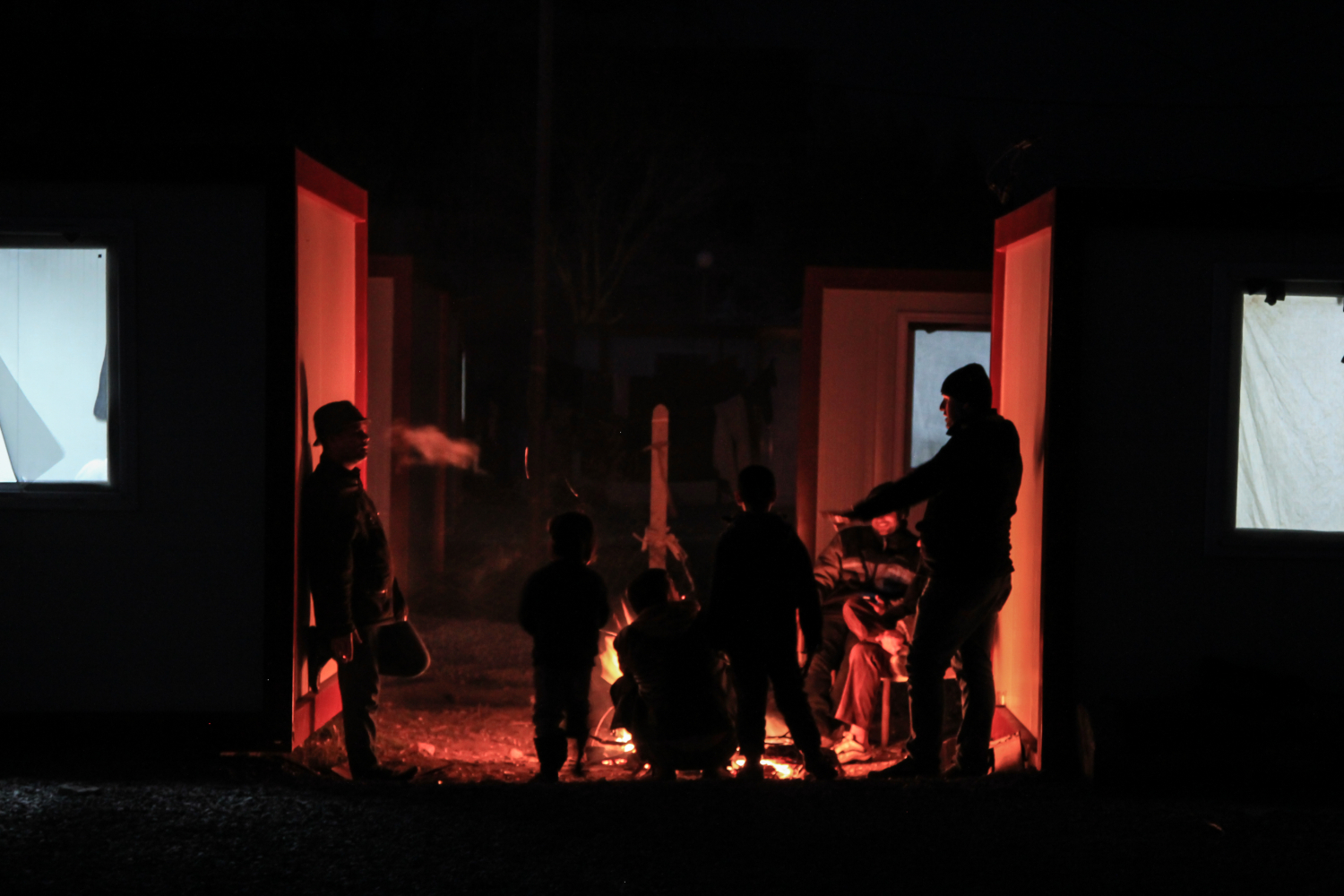
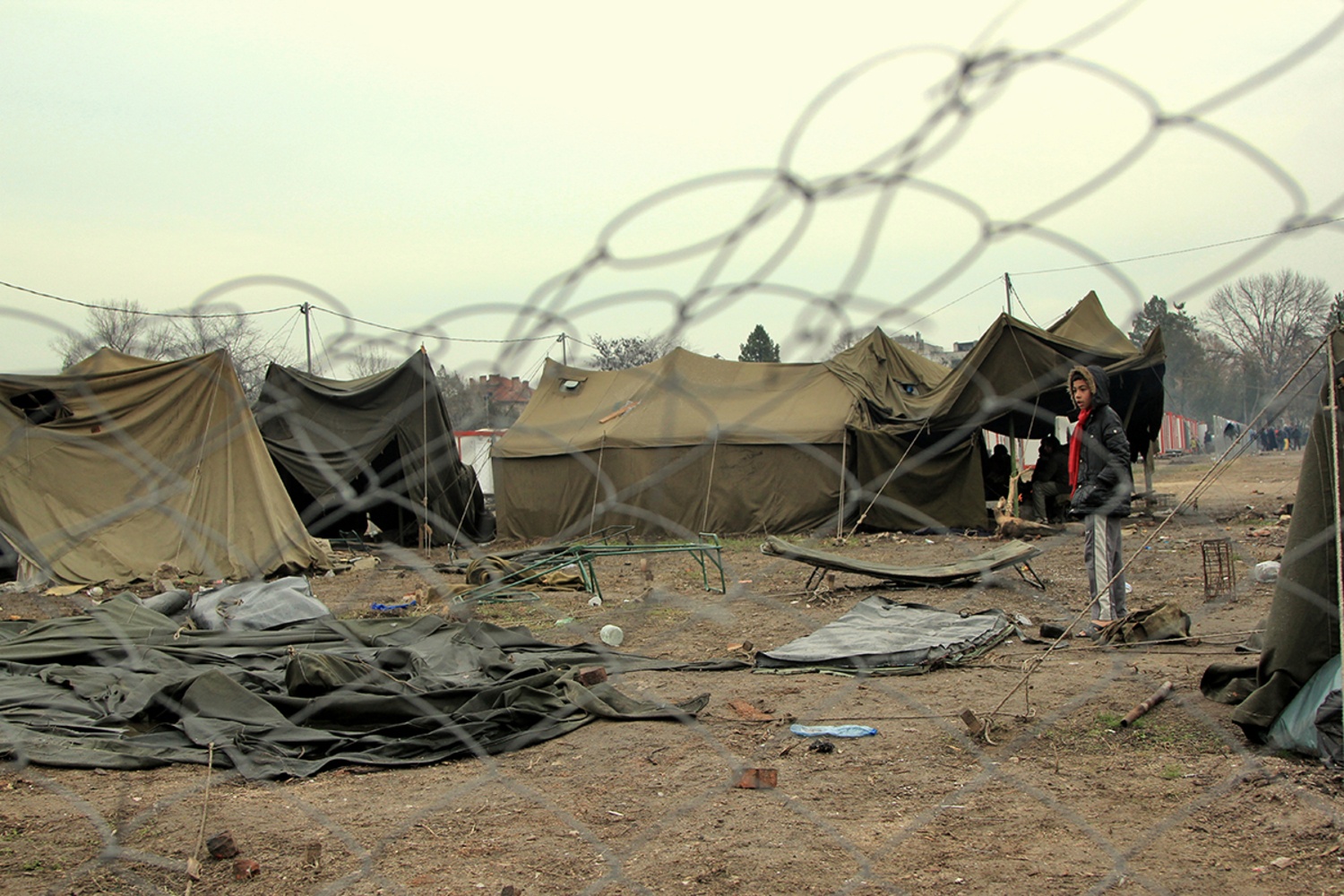
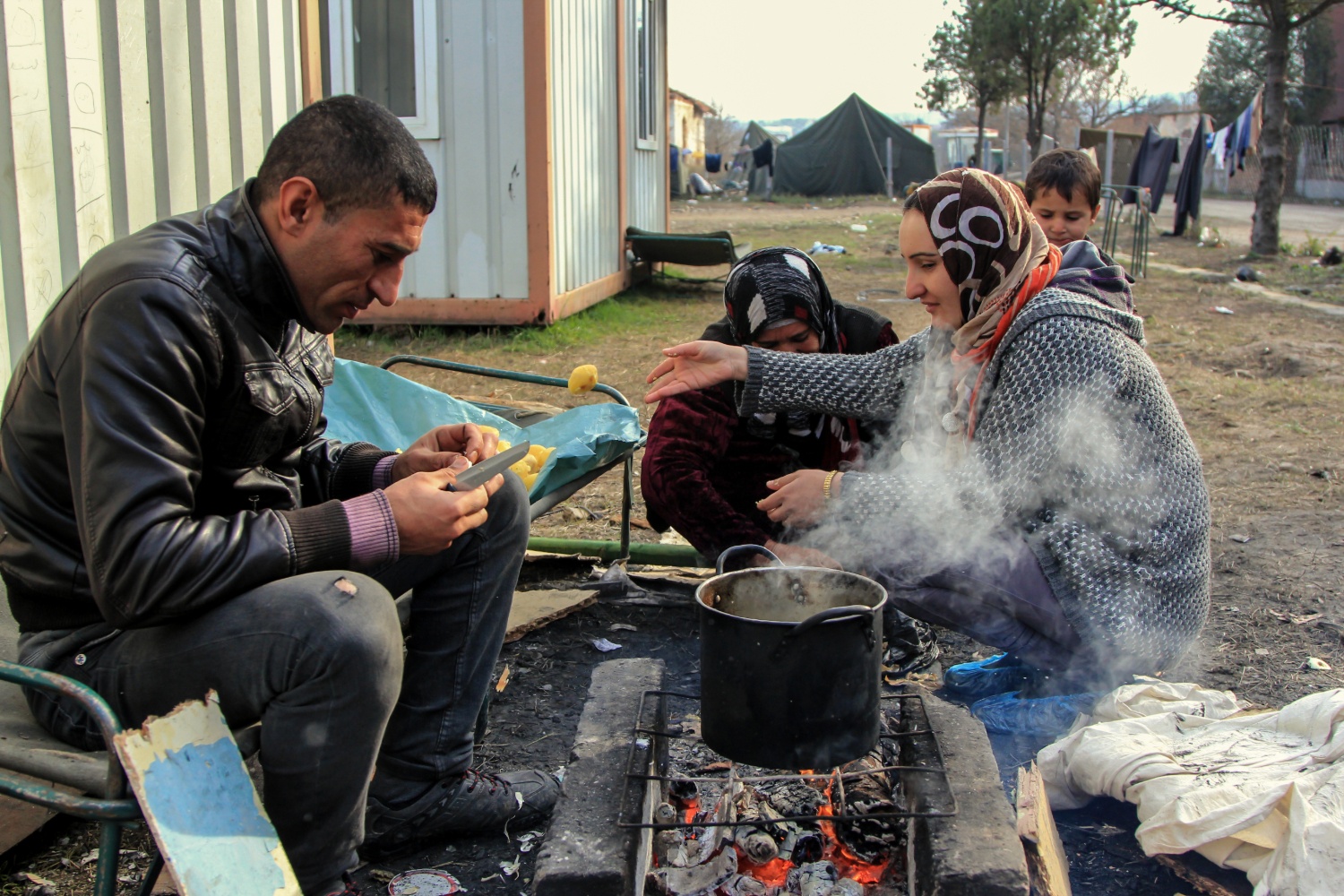
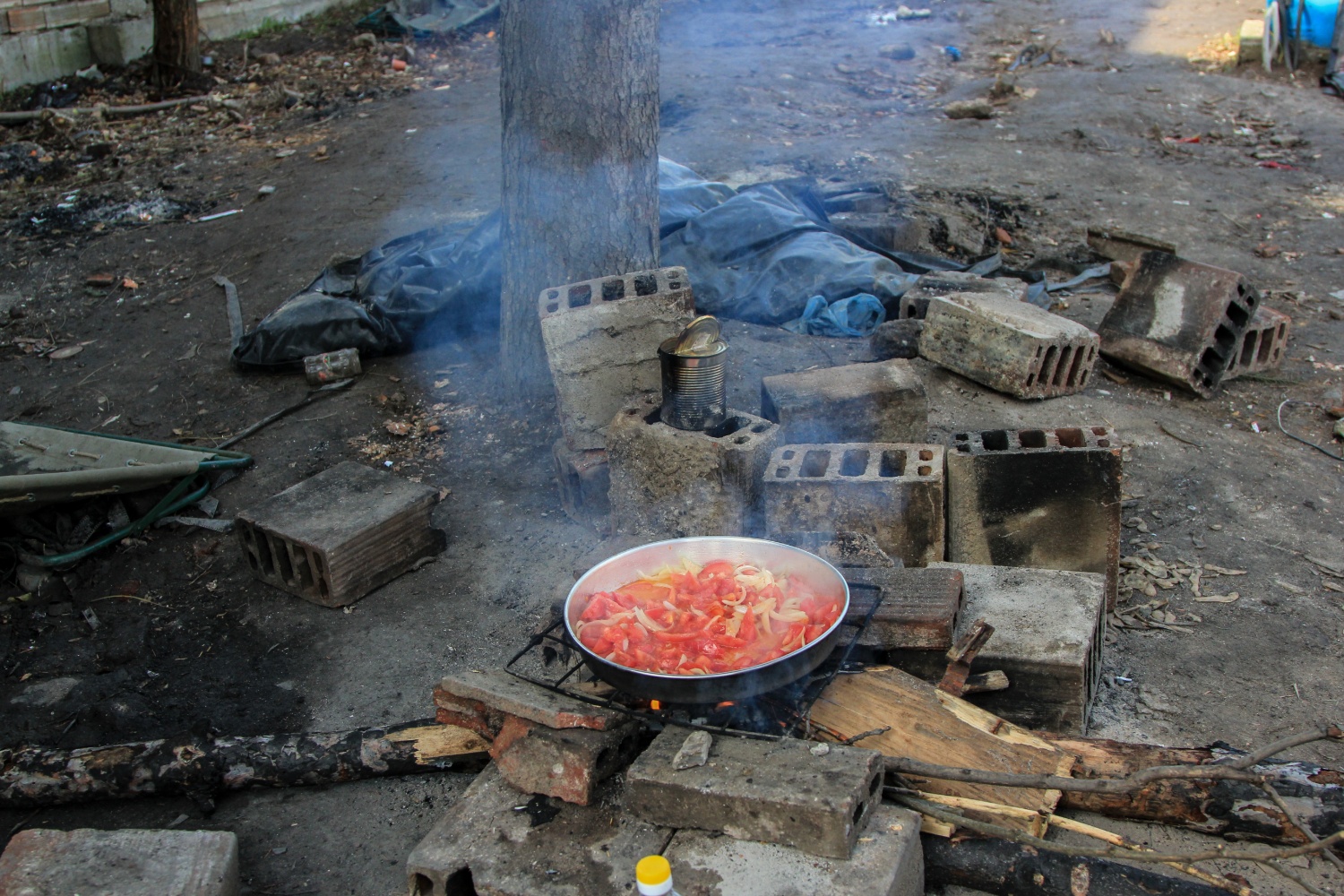
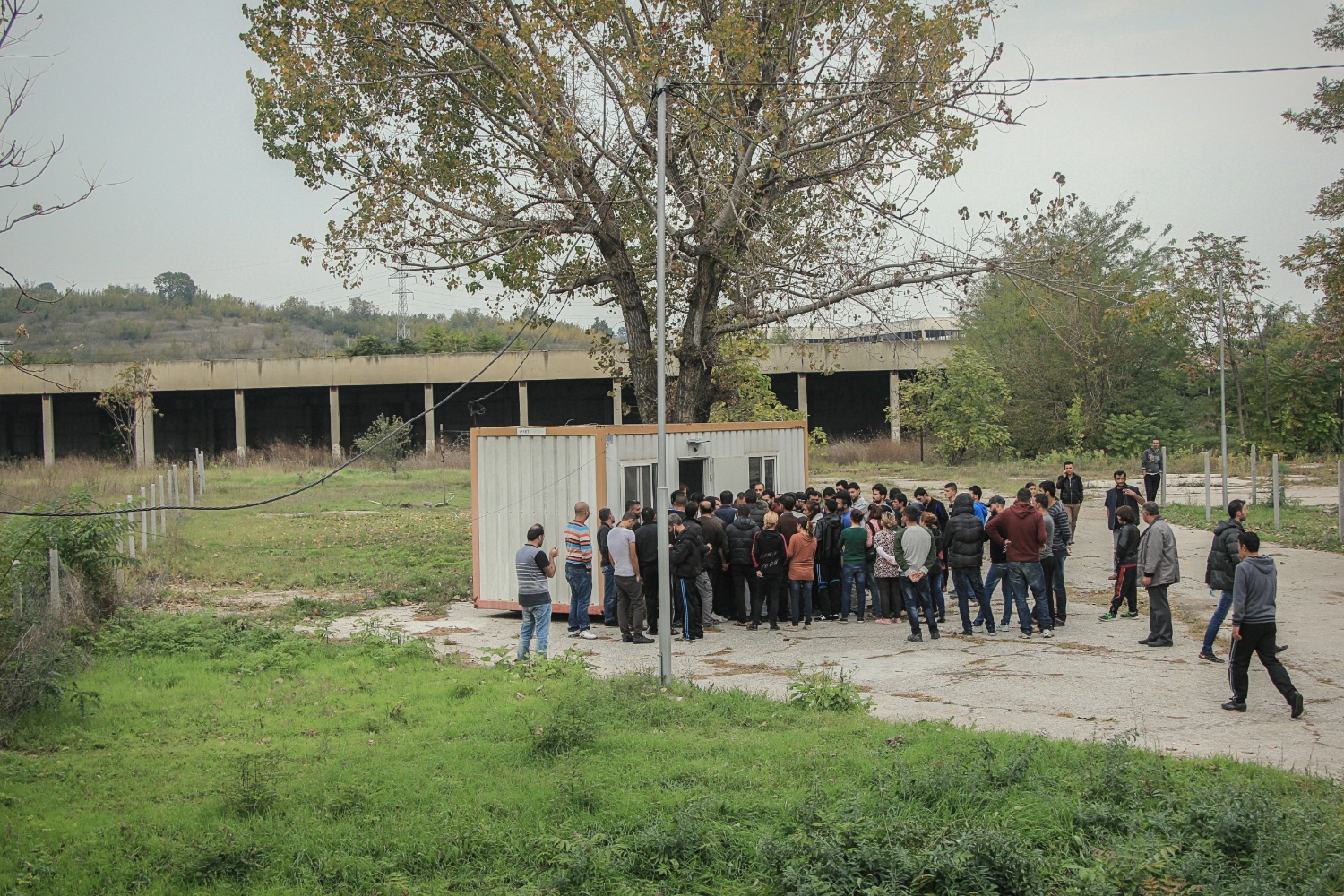
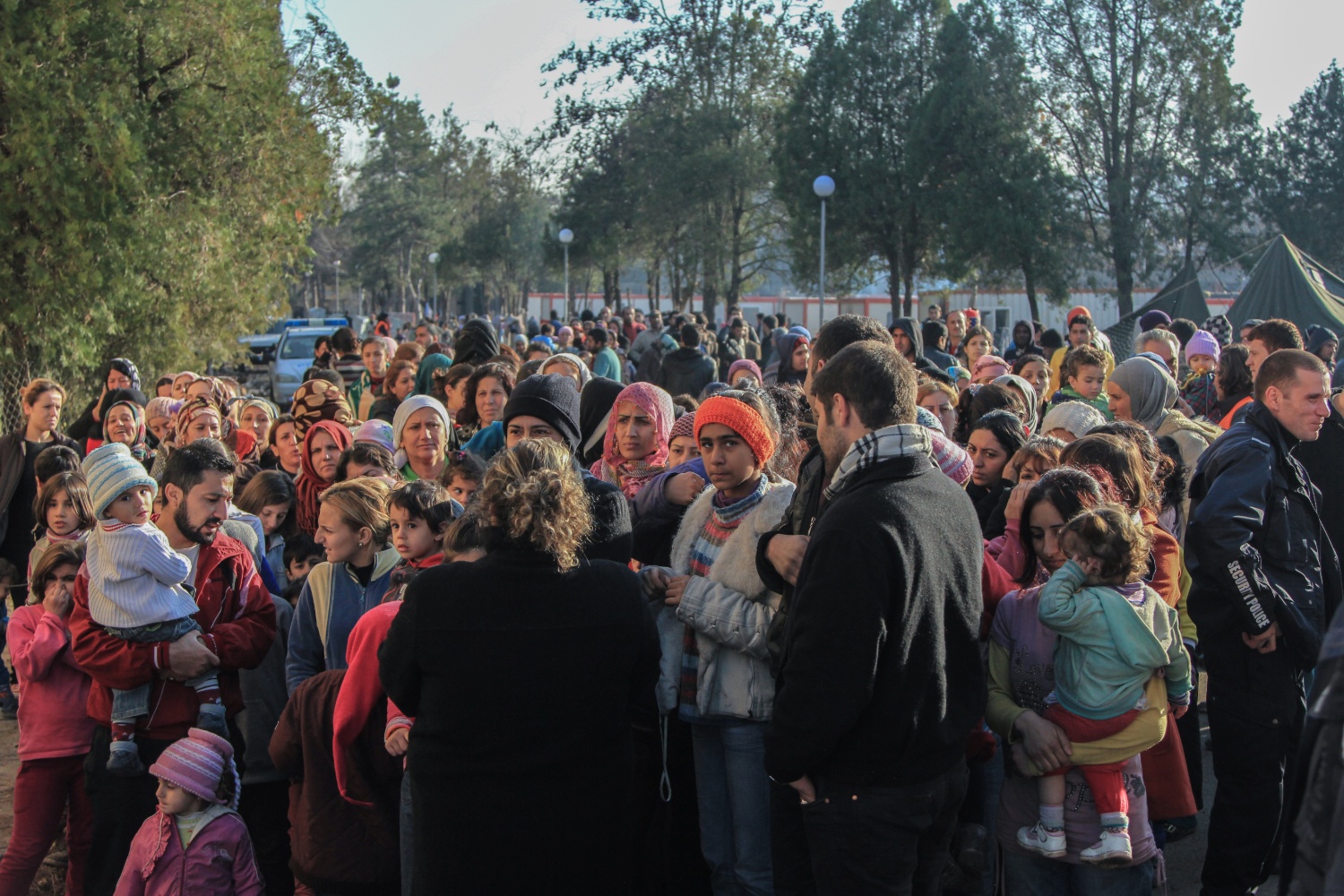
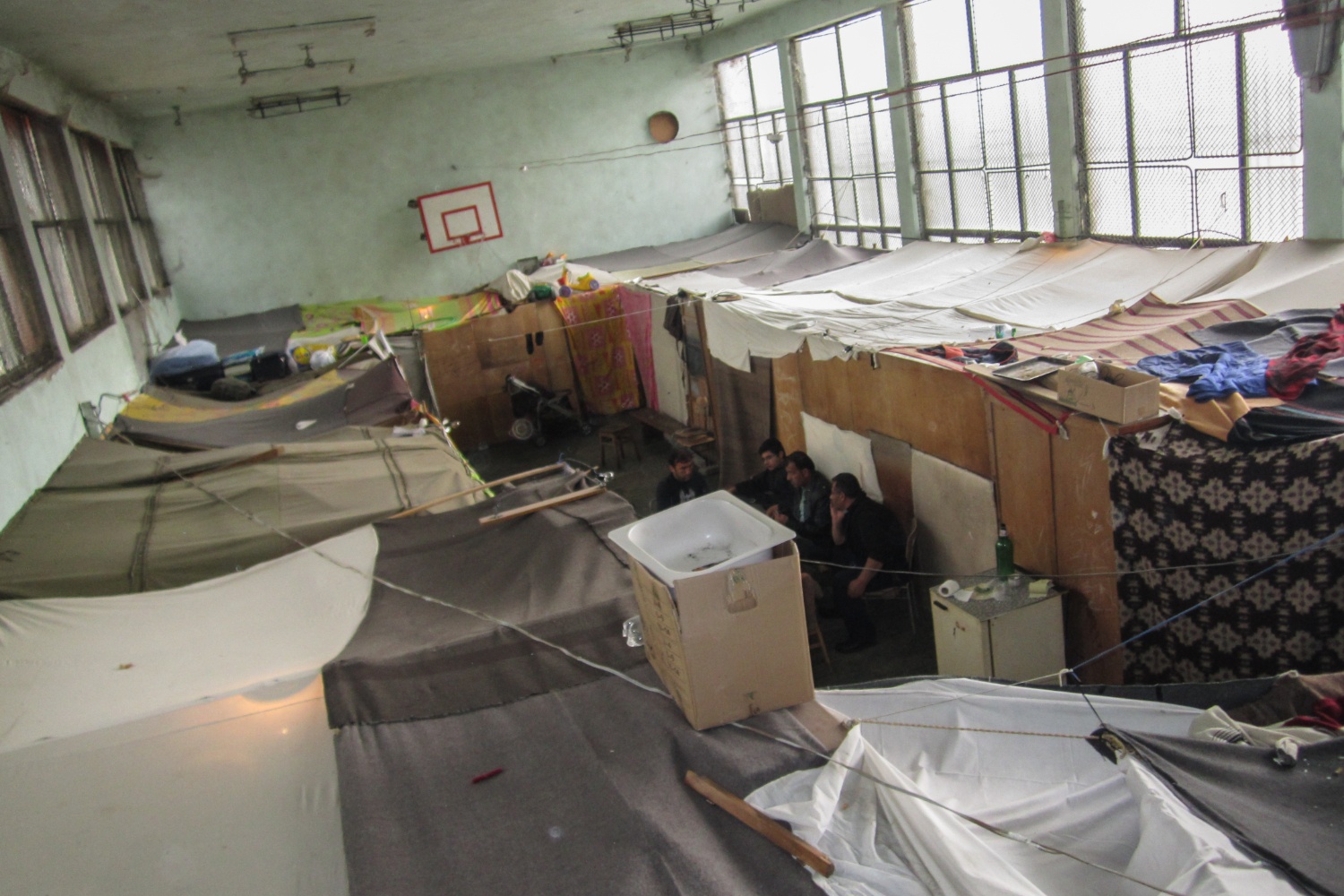
Instead of hope, these people came face to face with the sad reality of the “temporary reception camps” where they lived poorly, waiting for the Bulgarian and European authorities to decide what to do with them.
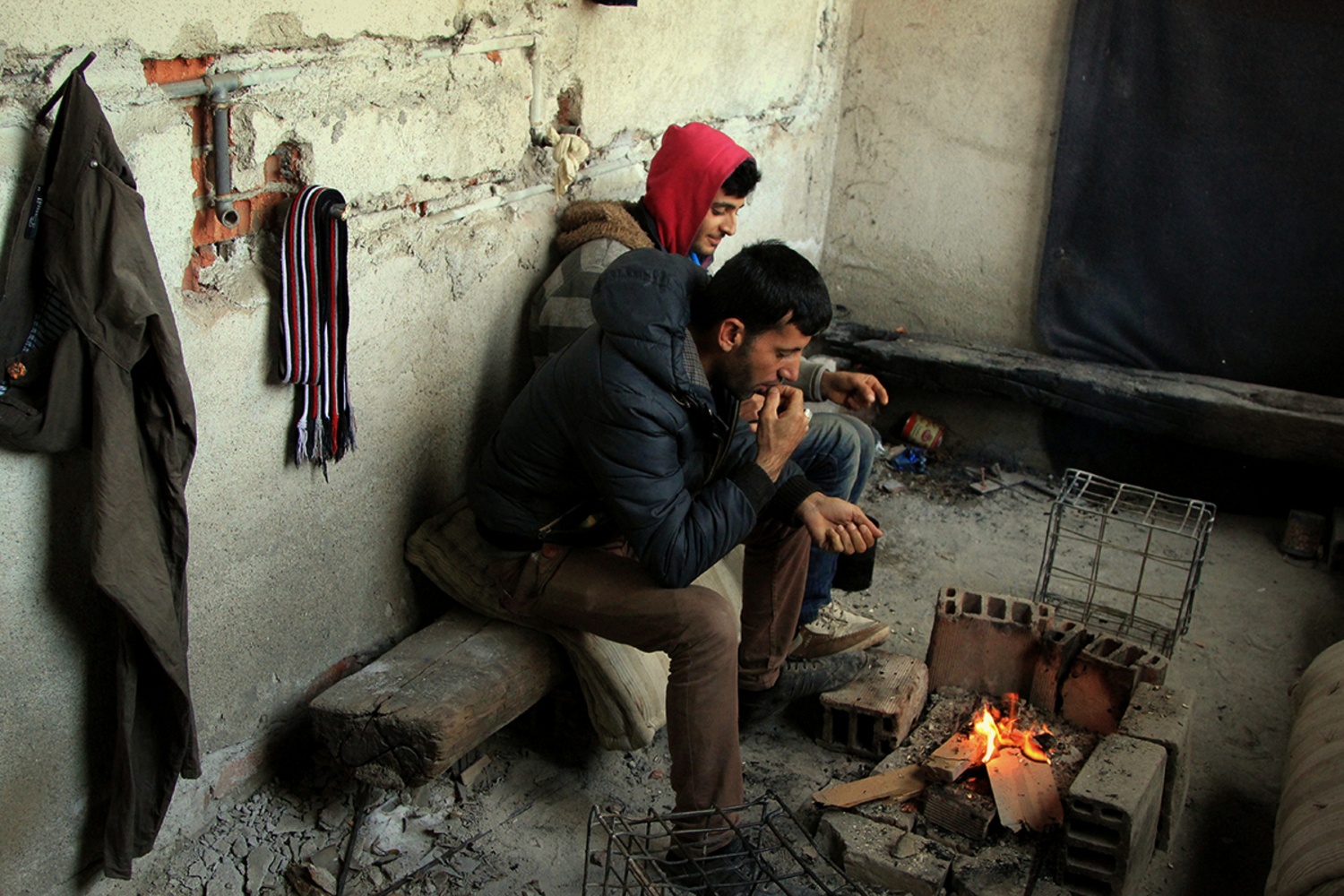
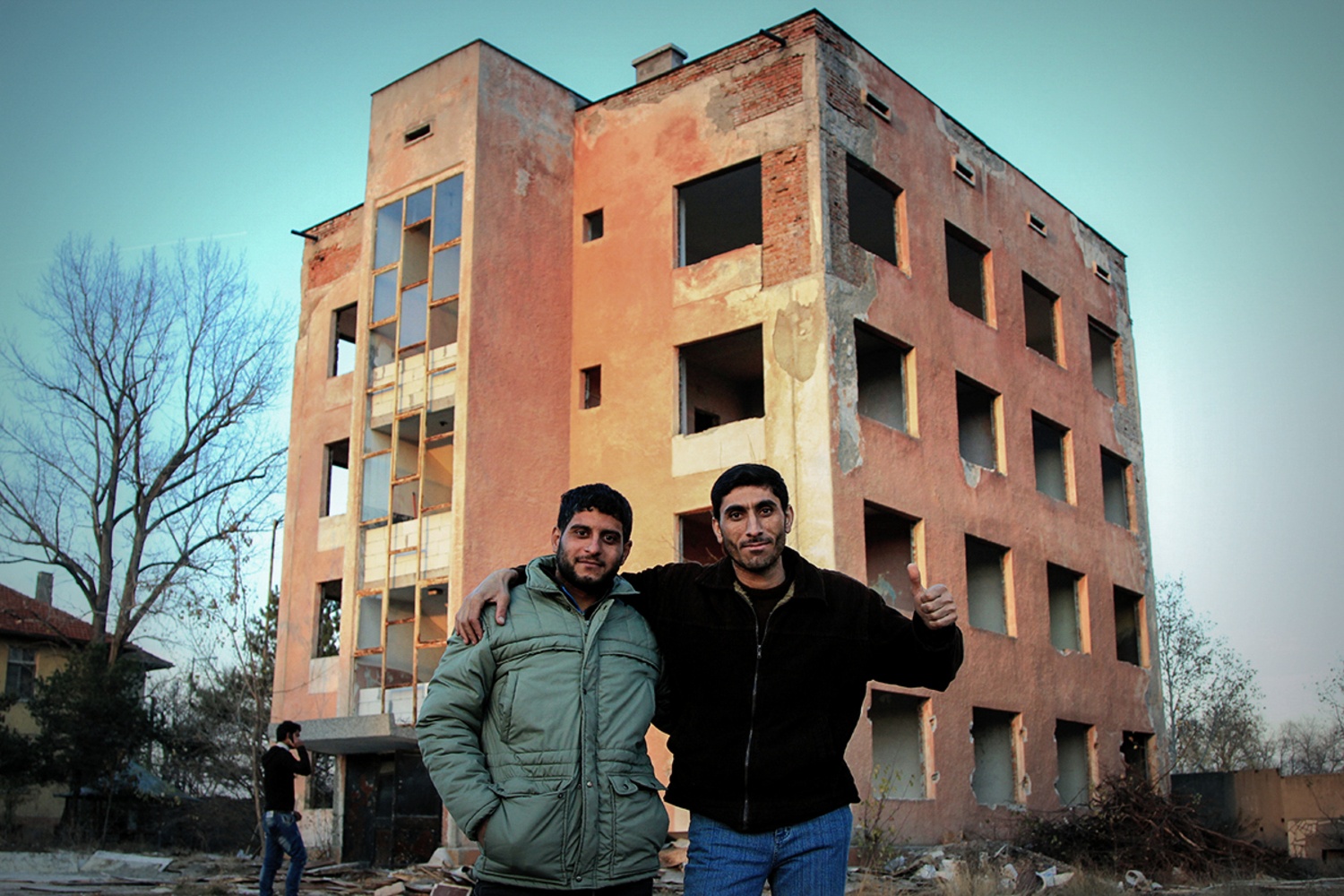
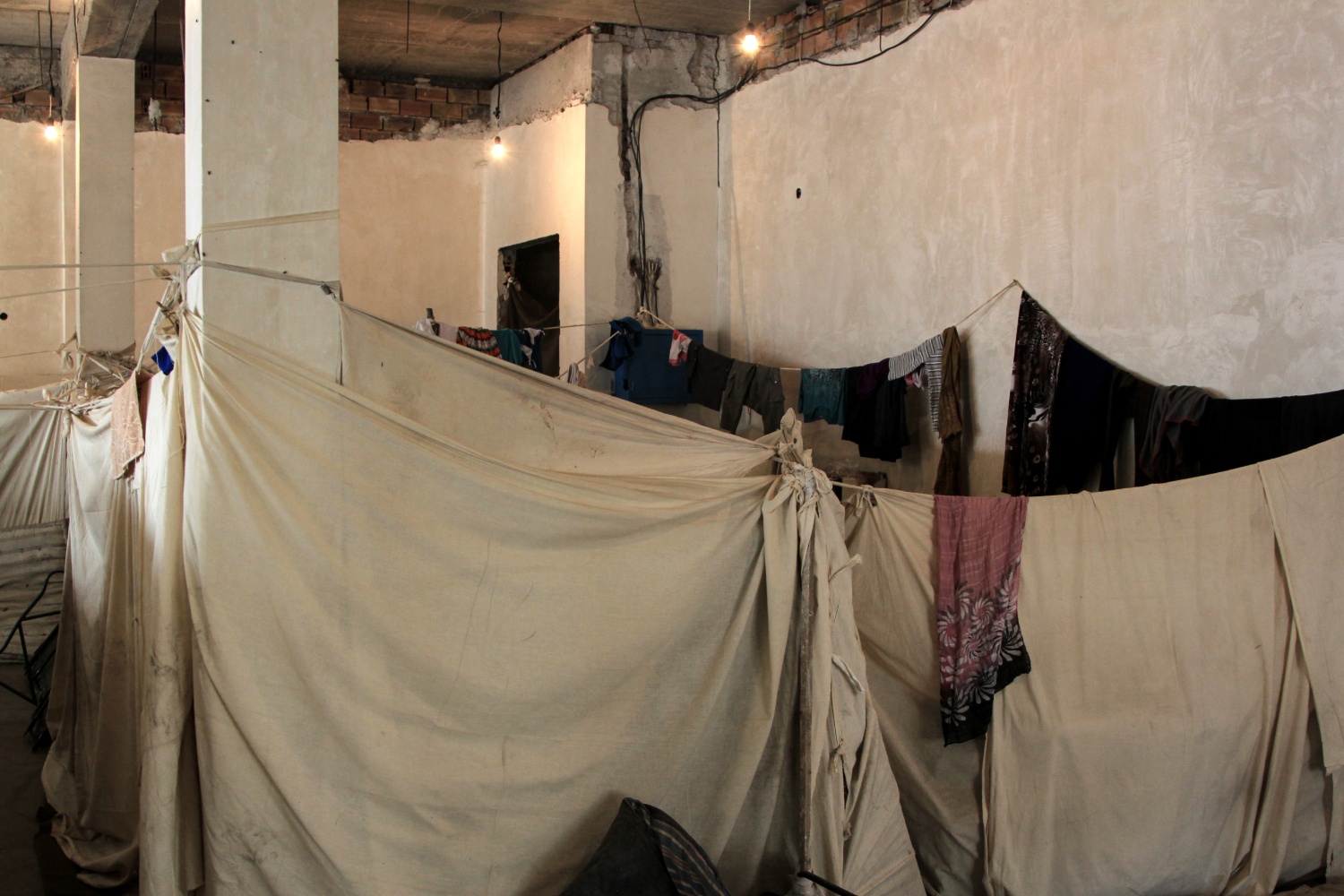
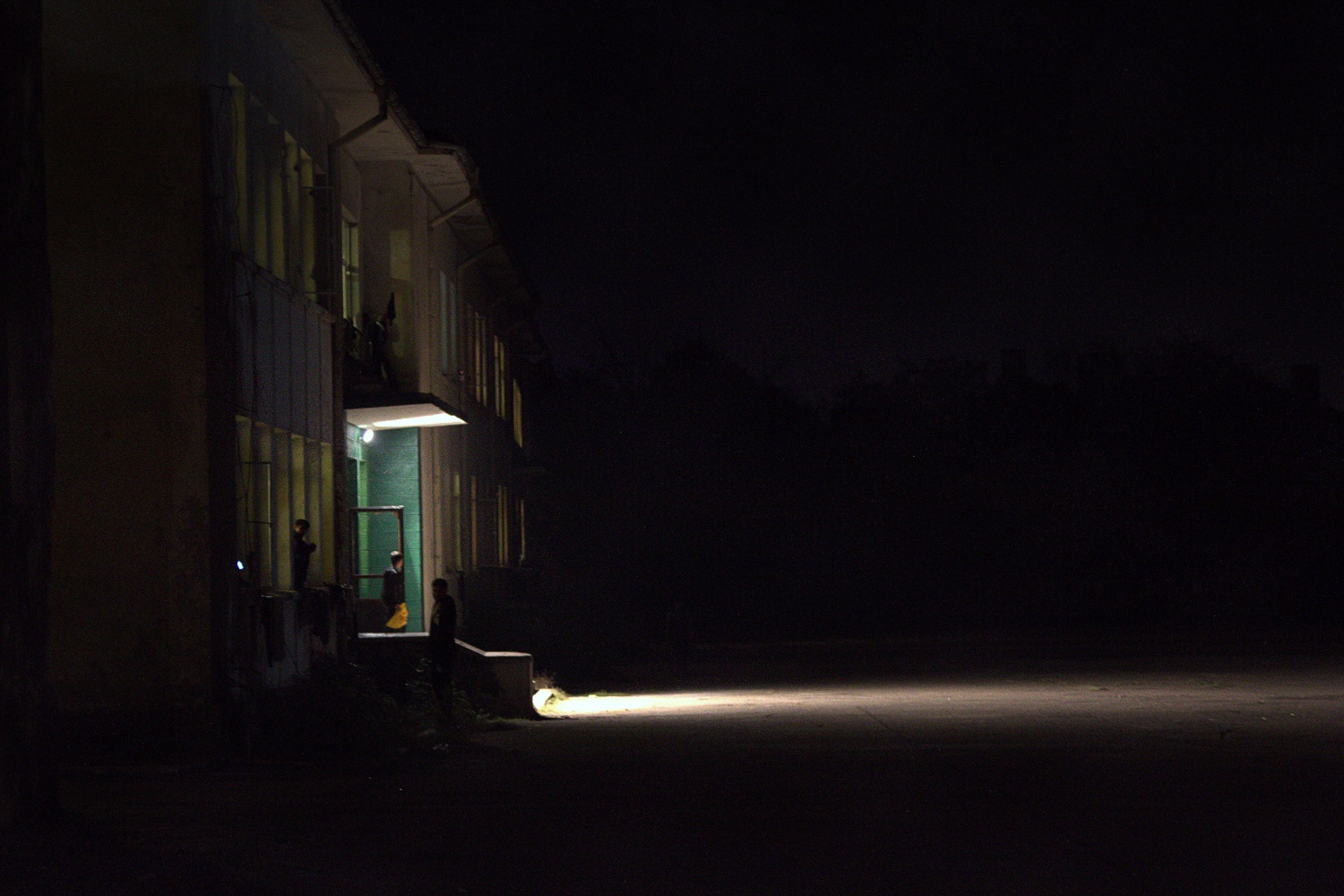
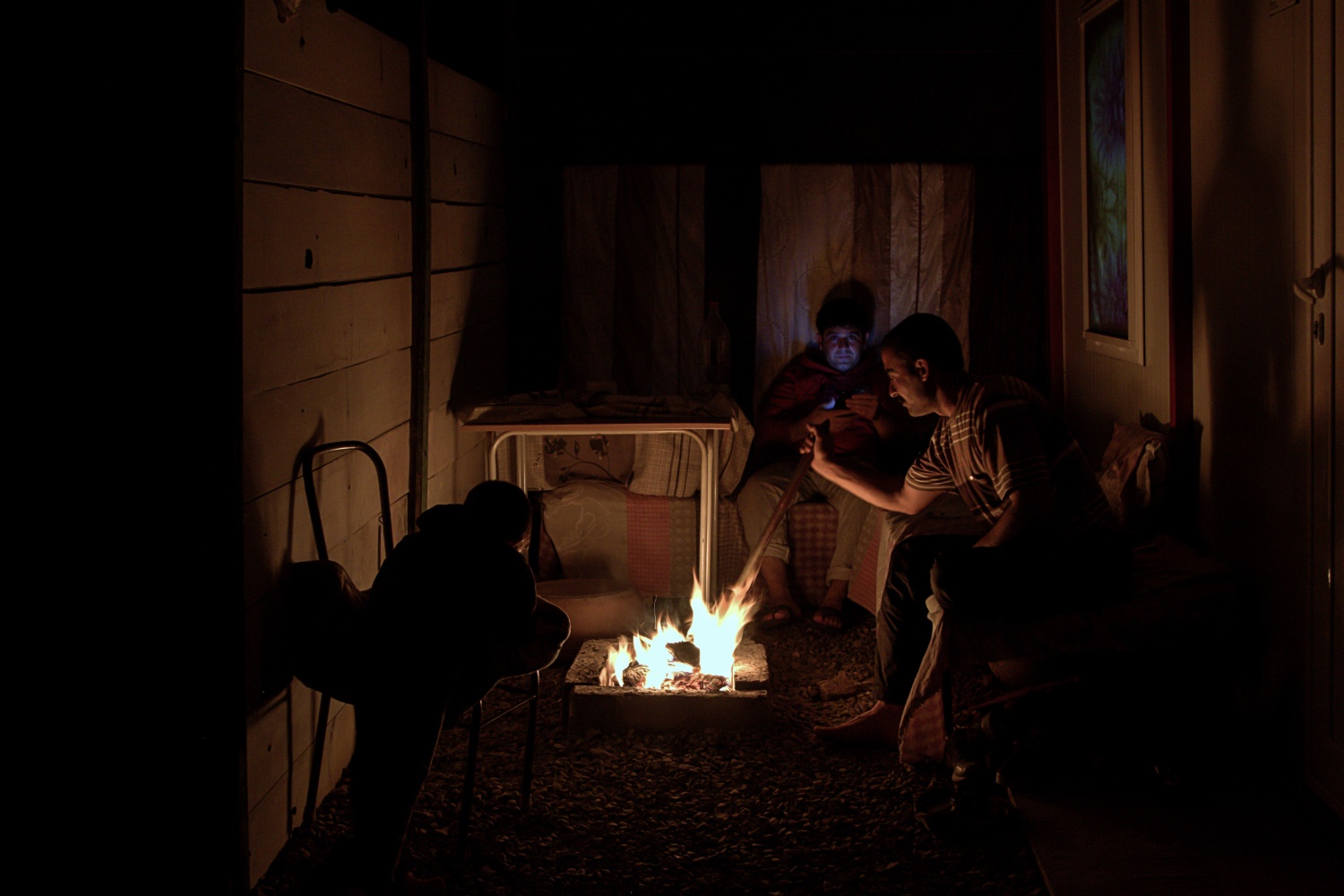
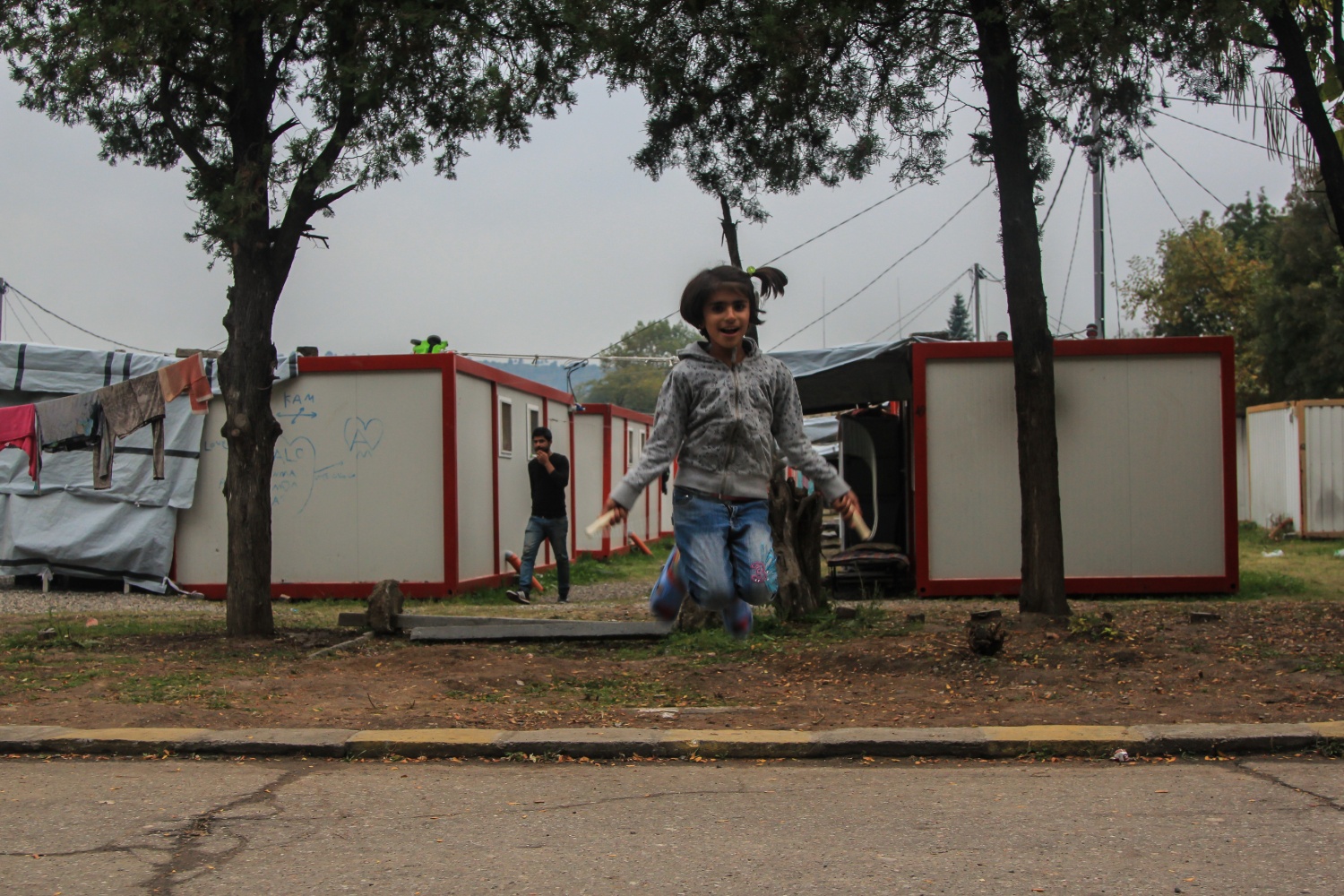
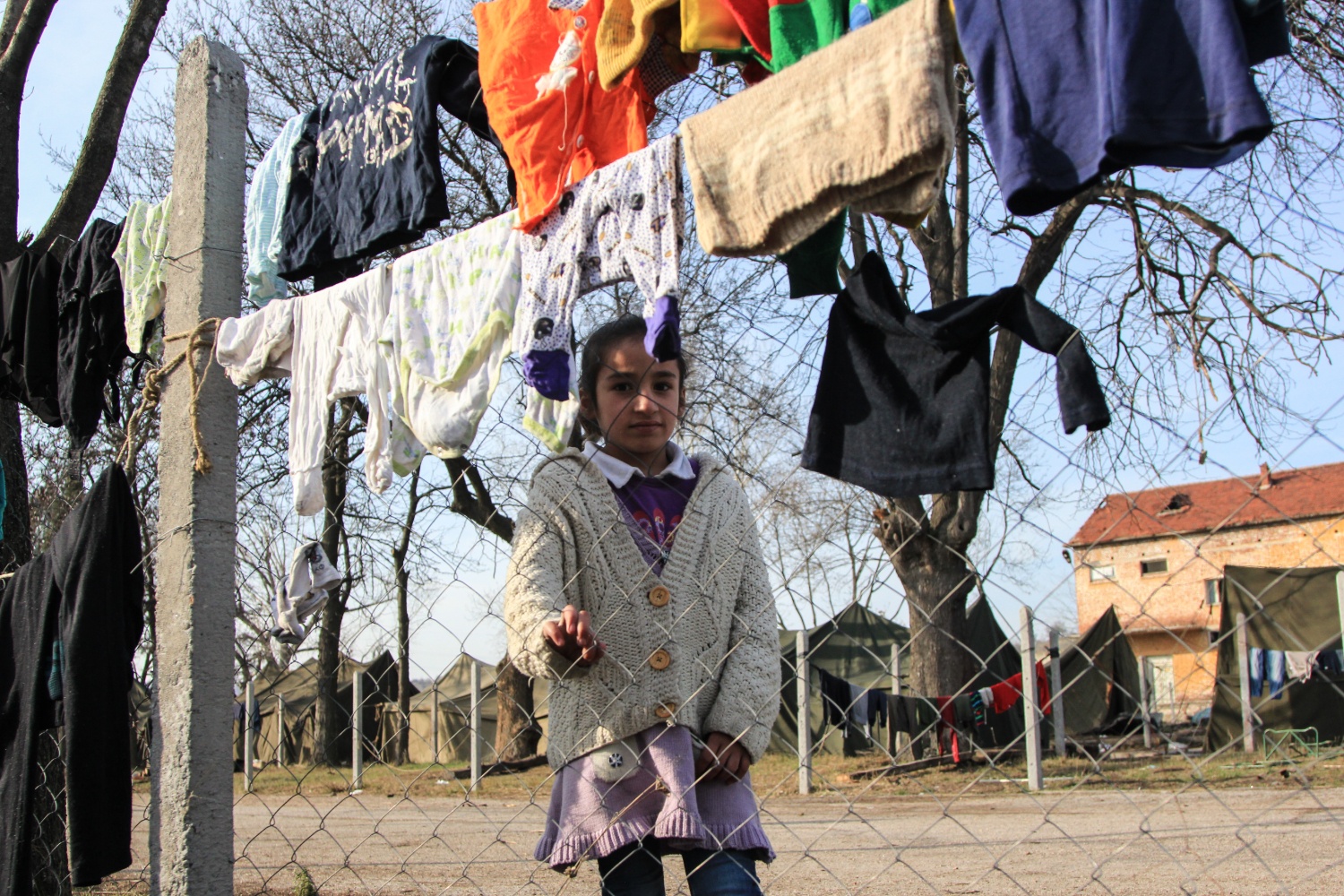
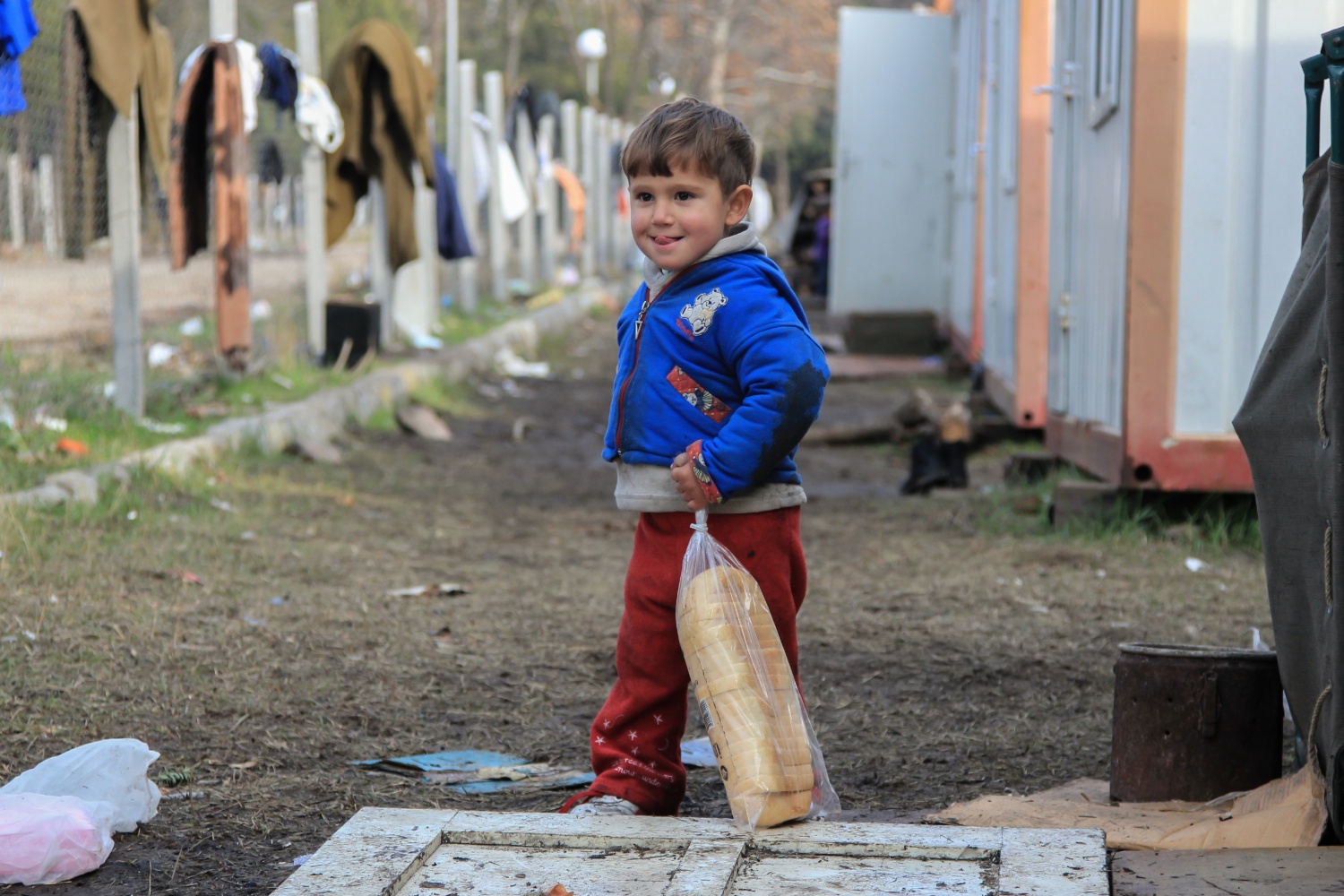
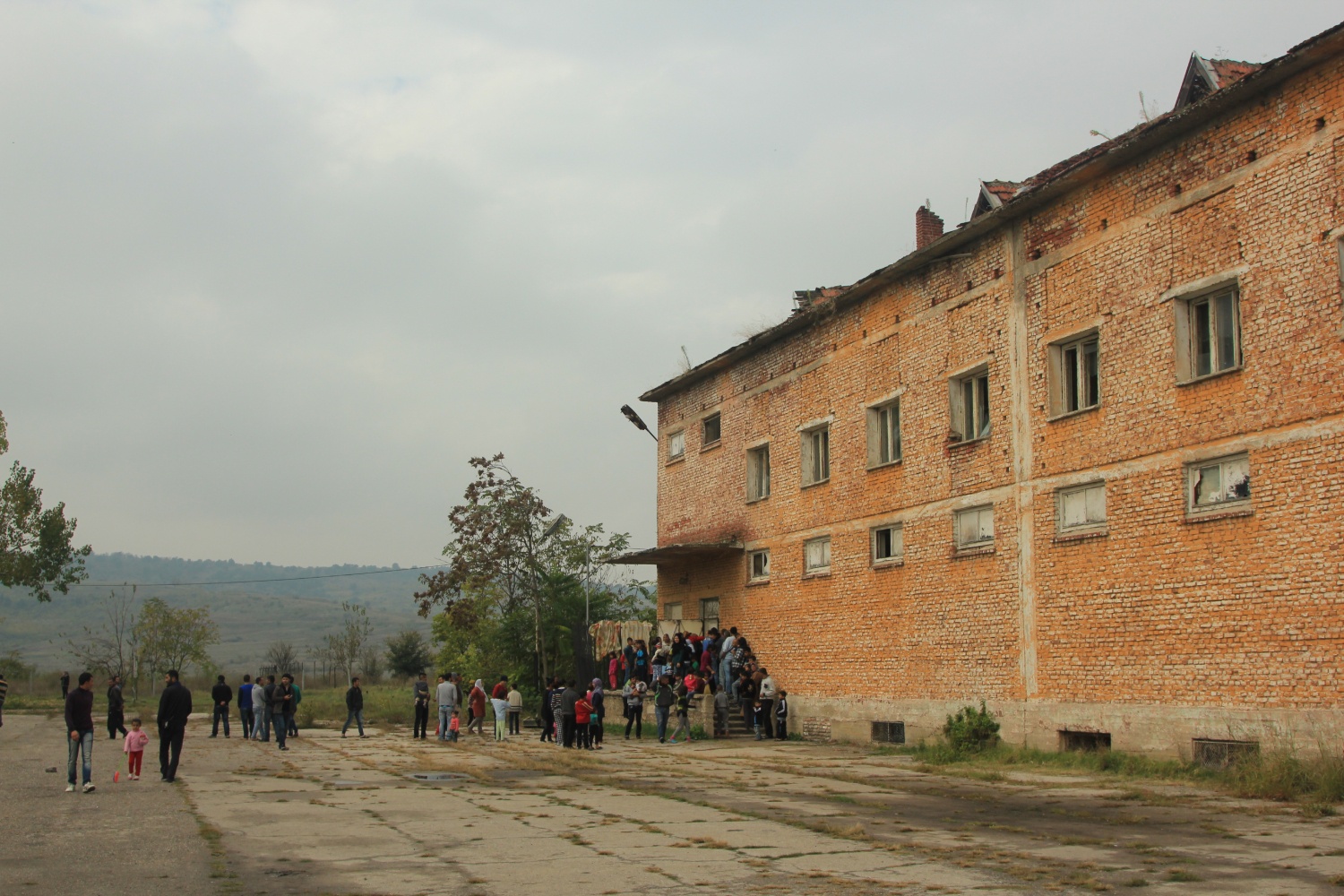
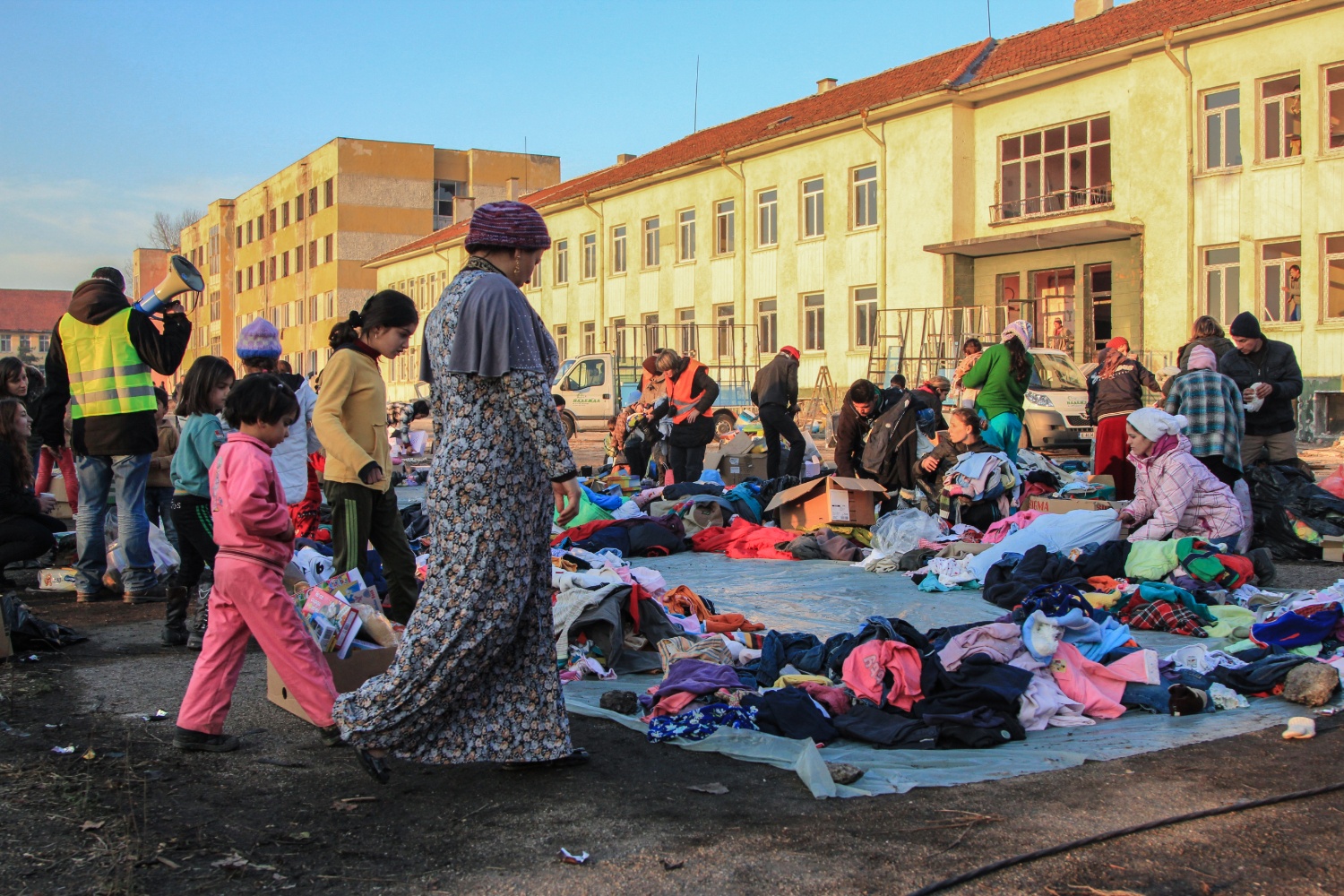
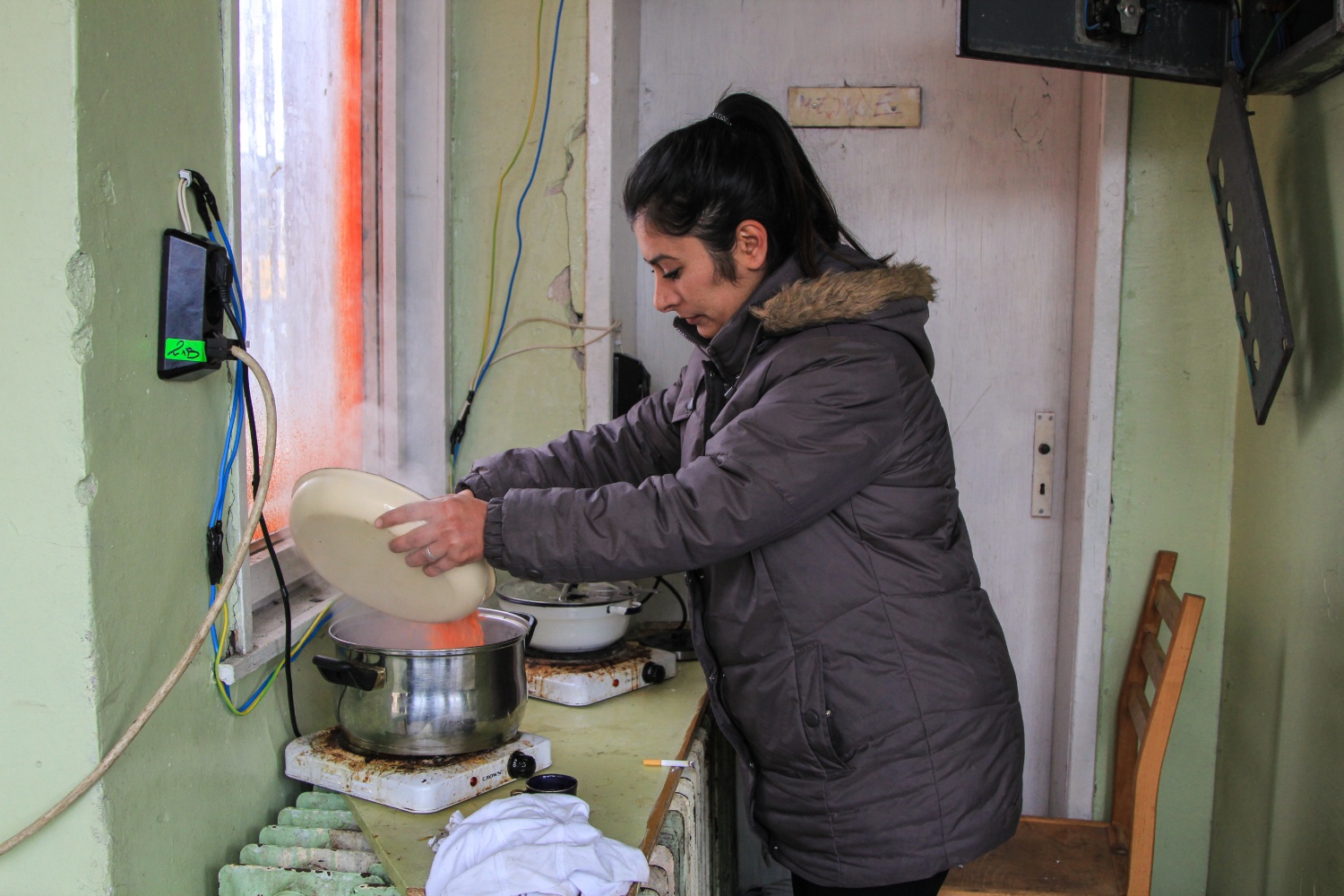
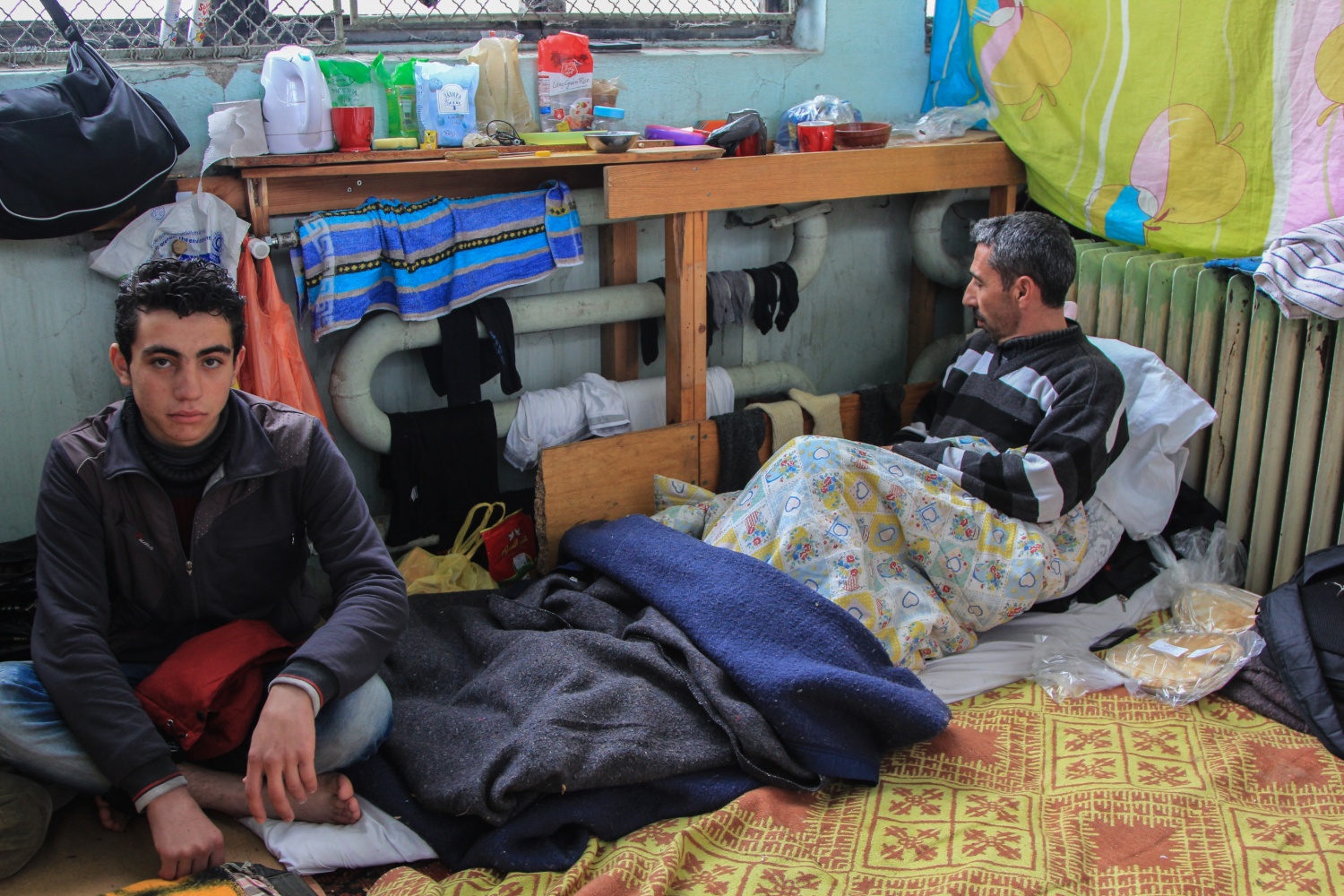
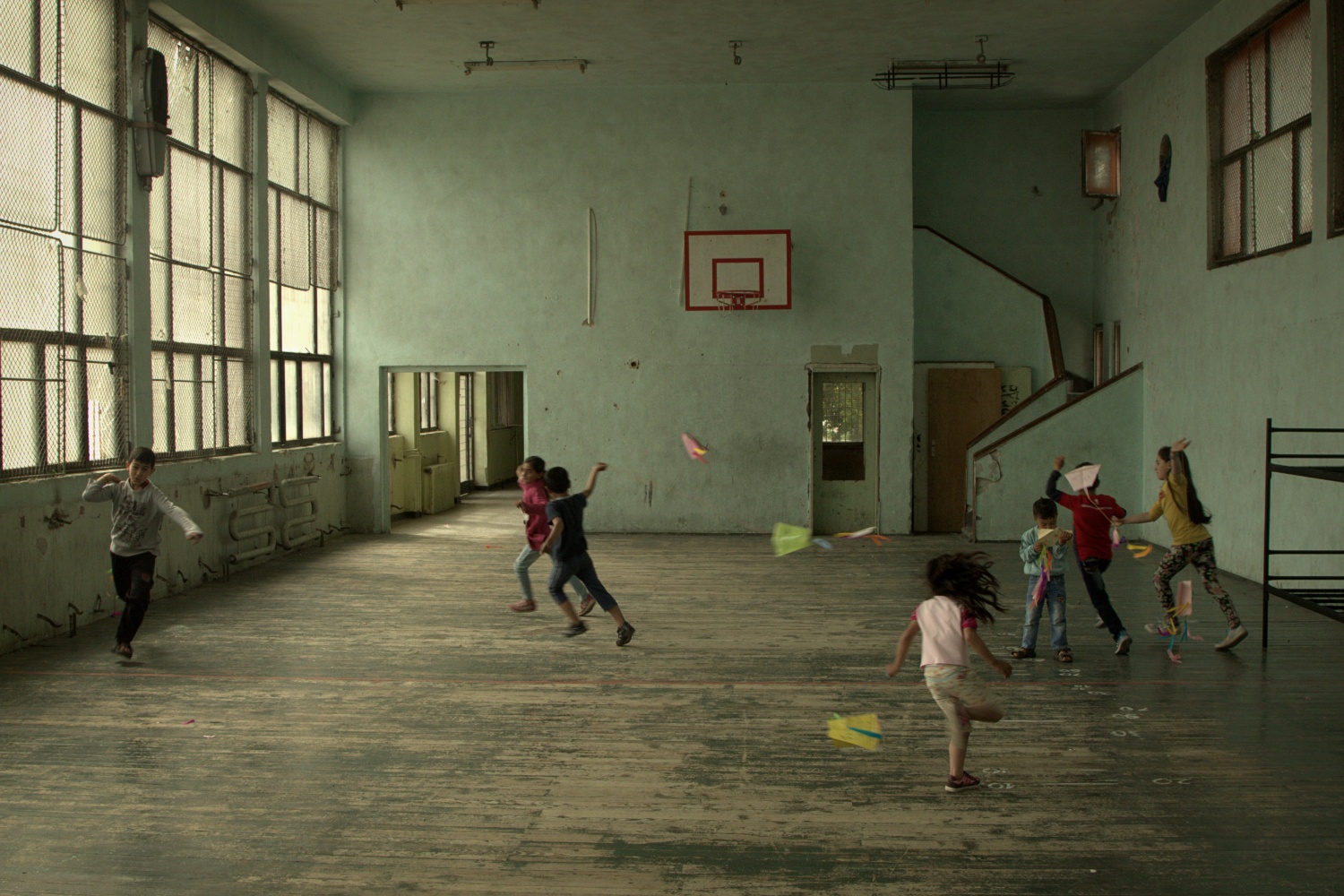
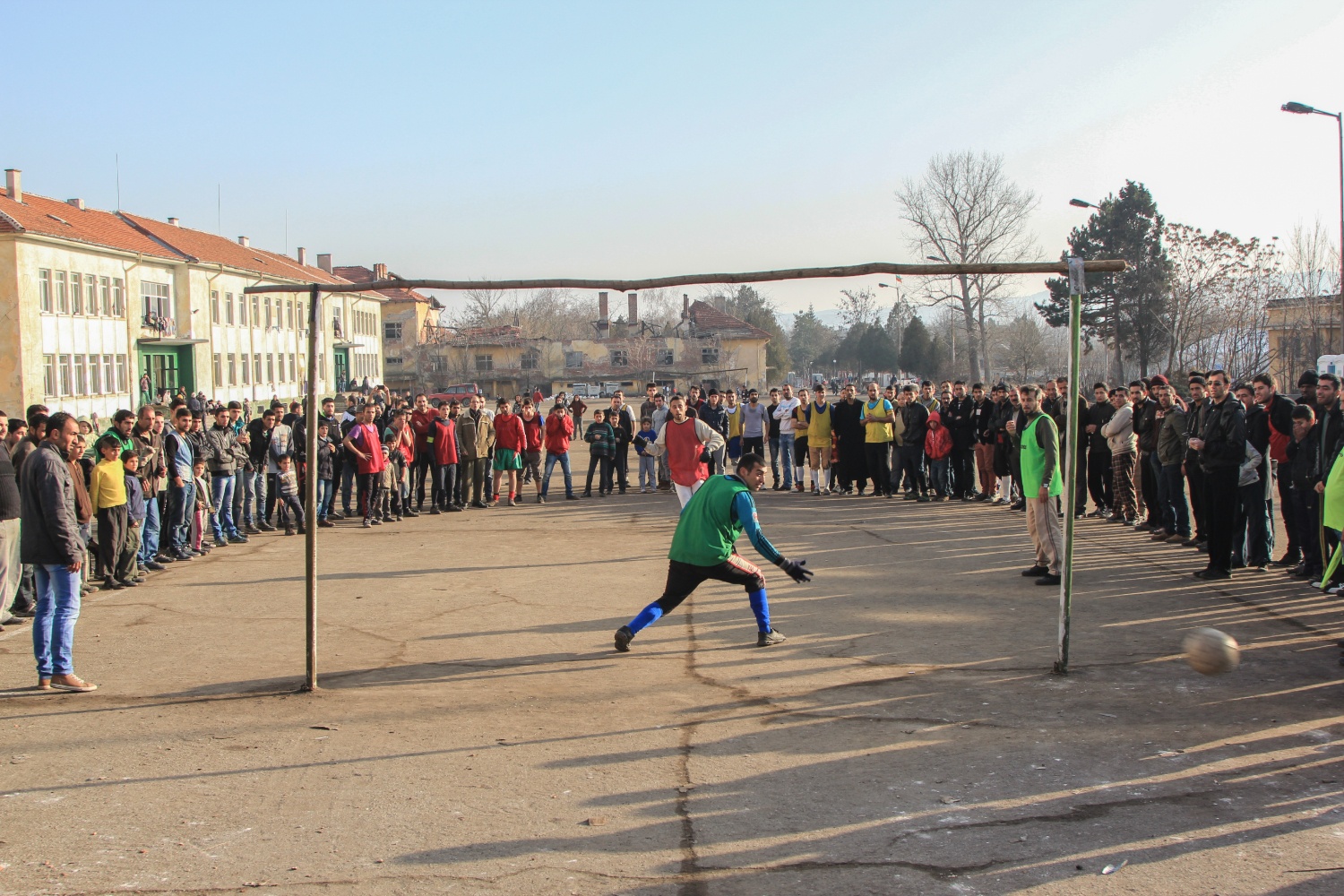
Harmanli is the largest of the three Temporary Accommodation Centers that the Bulgarian government set up in 2013 to contain the flow of thousands of people who fled the war in their country and tried to enter the European Union via Bulgaria. It is an old abandoned military base almost ruined that a few months earlier was still surrounded by mud and smelly buildings, partially destroyed and squalid, in which people were crammed into small rooms completely empty, without doors or windows and devoid of basic services such as drinking water, heating or electrical installation.
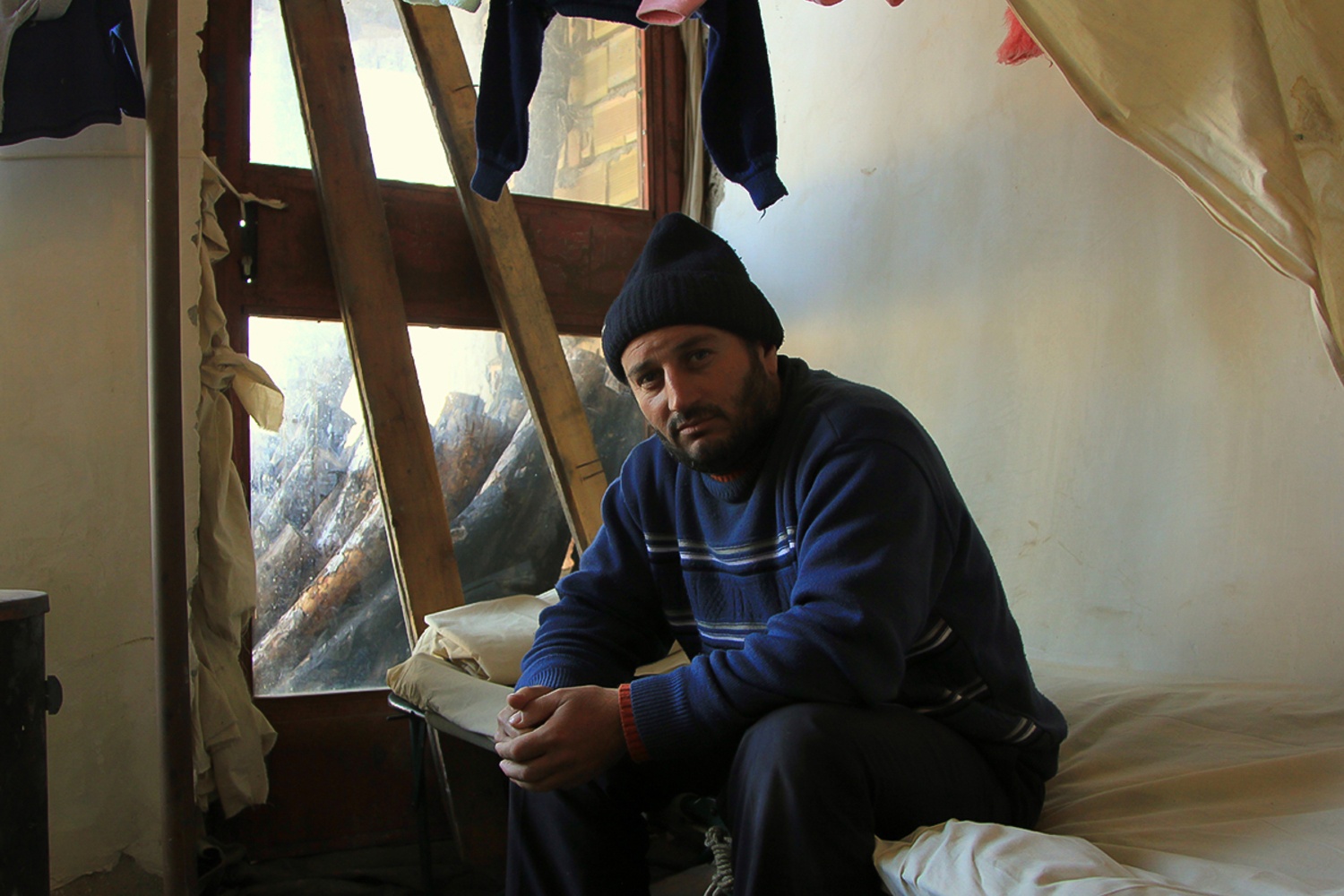
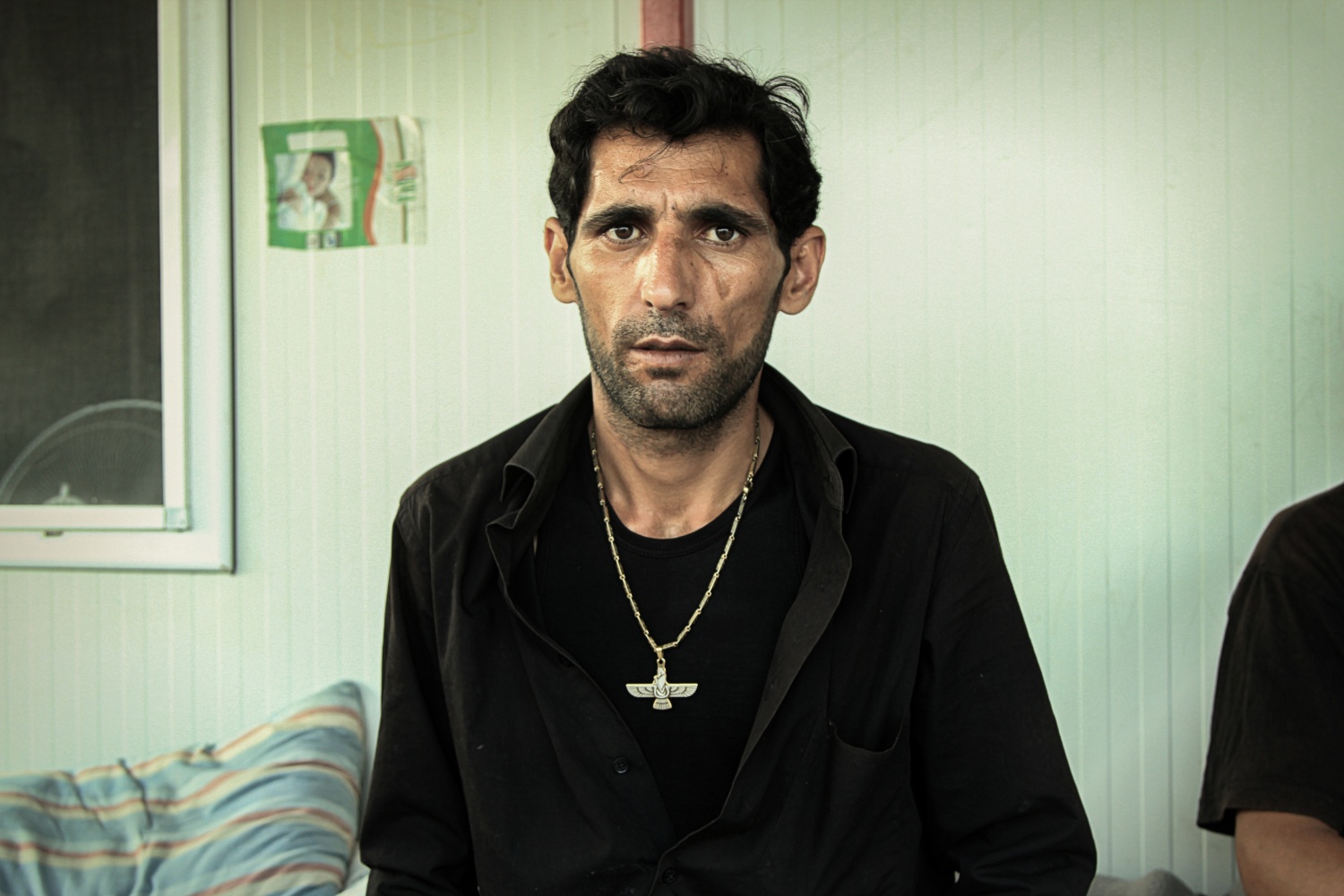
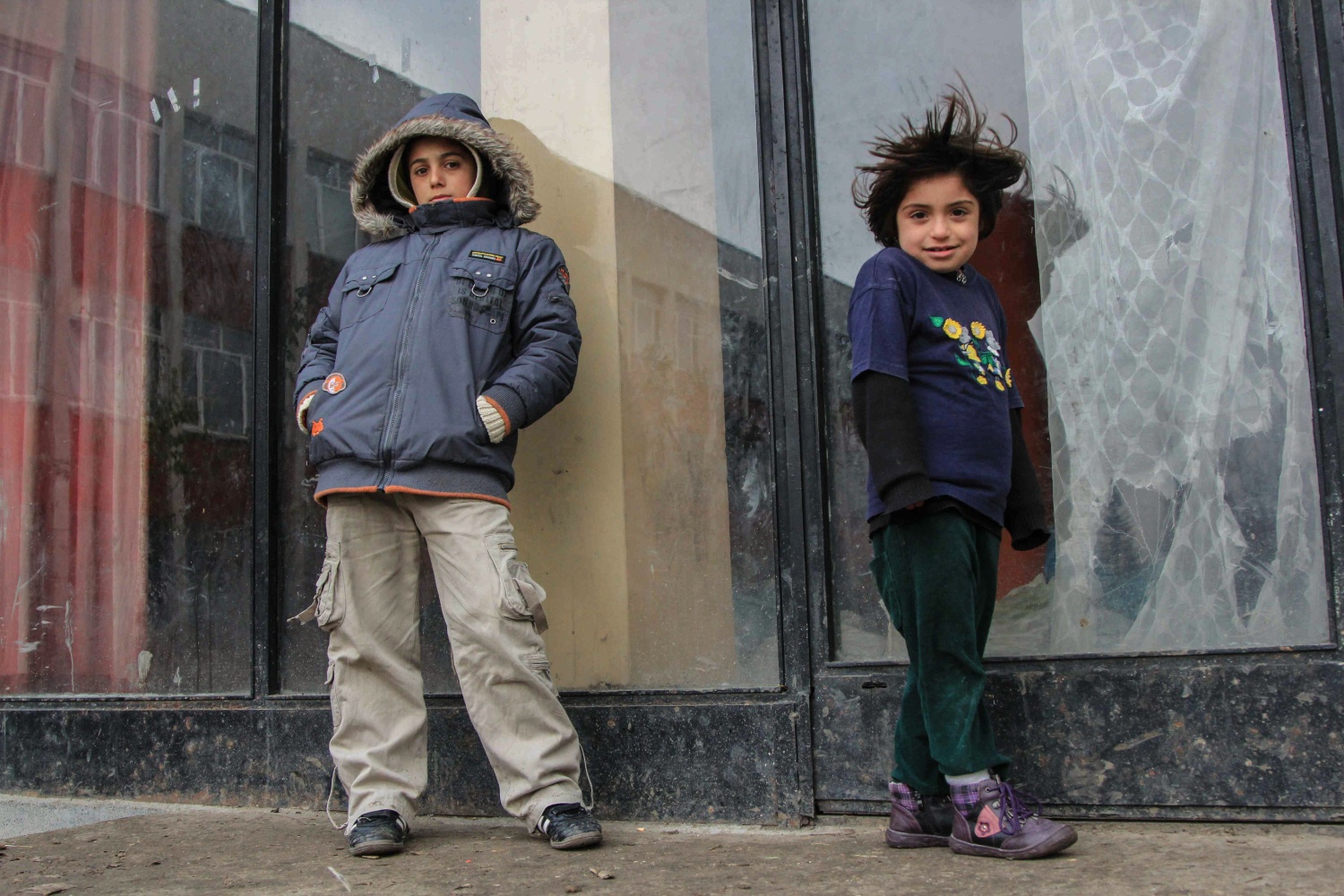
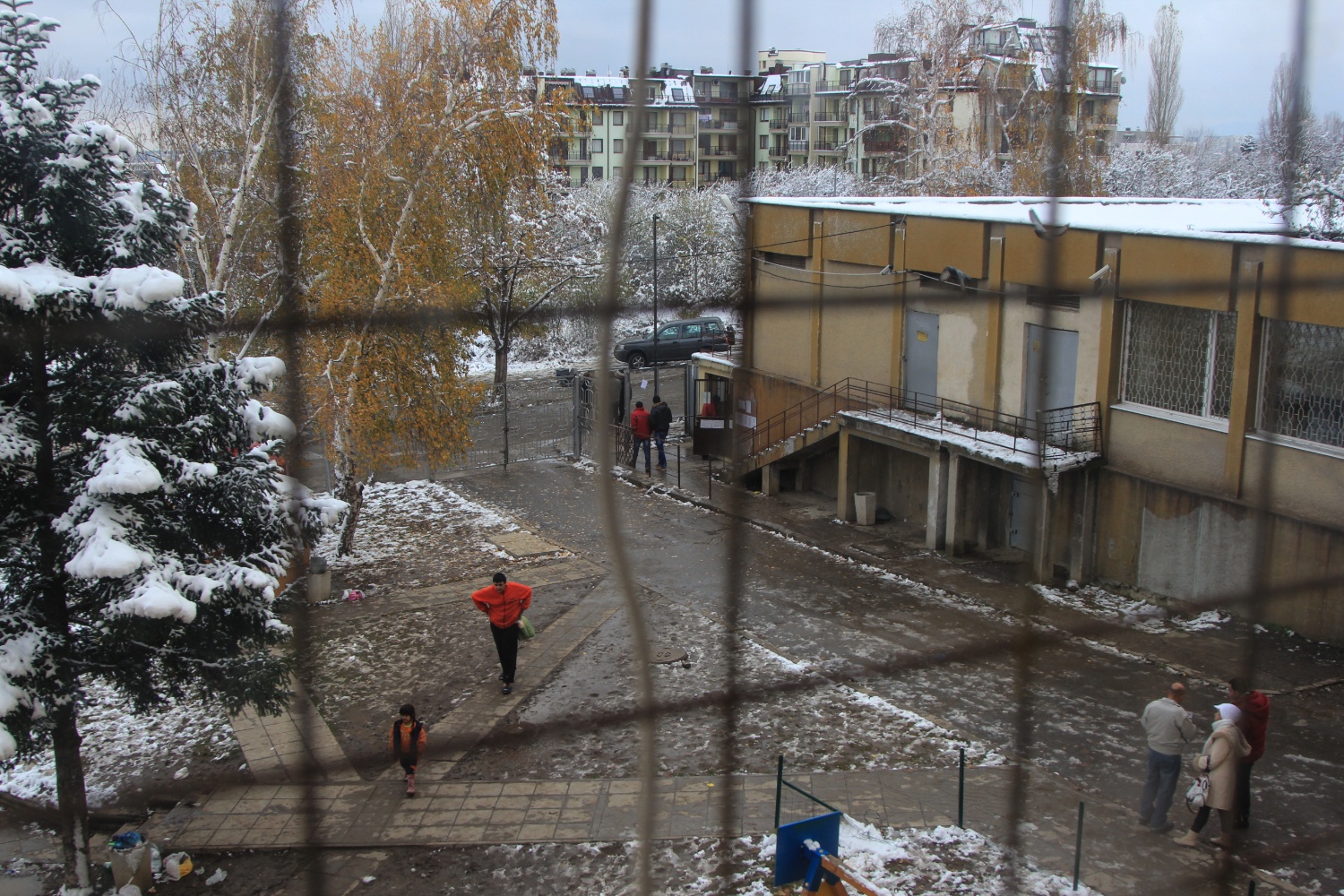
Always guarded by the police and in a permanent state of uncertainty, the living conditions at that time were sometimes more appropriate of a detention center than a refugee camp. “Why is Bulgaria part of the European Union? We are not dogs!” claimed many of the asylum seekers.
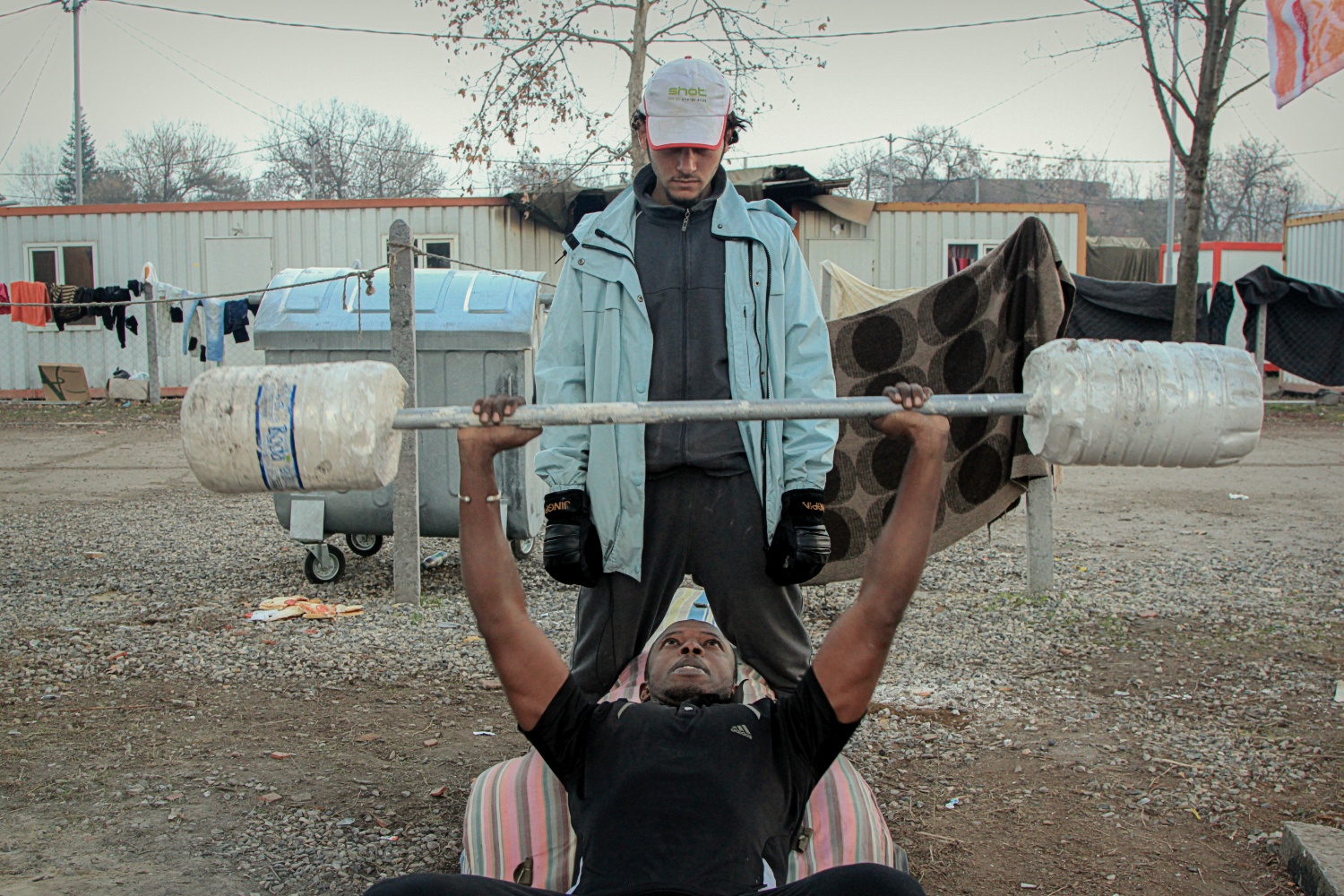
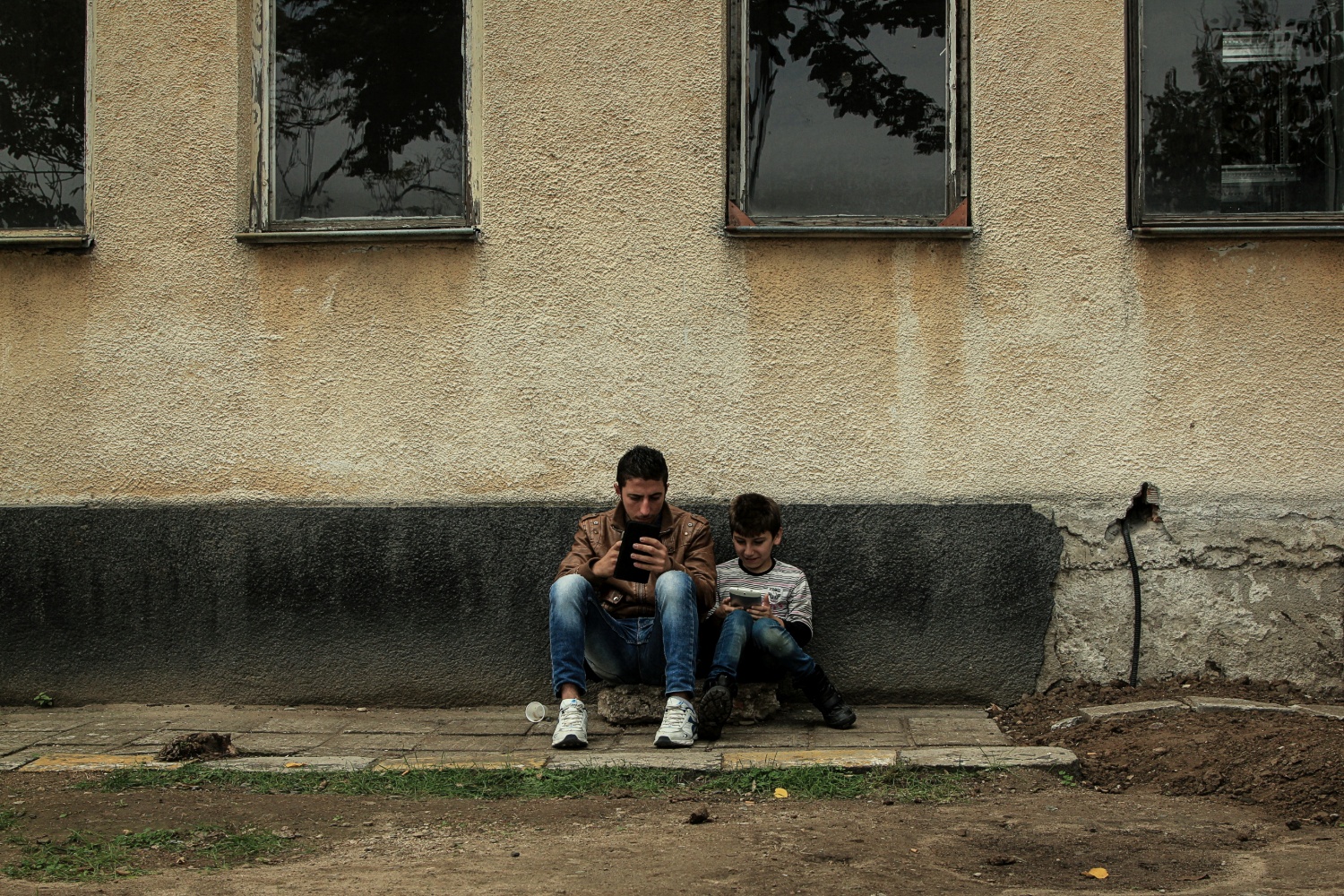
During the months that they had to be in Harmanli, the hours for asylum seekers were wasted away slowly and the main occupation consisted in killing time before time did the same to them.