


Hostel Europe
Ed. Libros.com © 2018, 370 pages, 14x21cm.
Hassan is 51 years old, he is from Morocco. At the age of 19, he left his country hidden in a ship that took him to Málaga, Spain, and since then he has lived and worked almost two thirds of his life illegally in five different countries of the European Union. The last nineteen years were spent in Germany. He worked in the market for buying and selling cars until he was deported in mid-2013 to Morocco. About a year later, on May 26, 2014, he came to Bulgaria with hope – and some conviction – that in three weeks he would be in Germany celebrating his daughter’s 13th birthday. However, his plans went wrong.
Both in the Arab neighborhood of Sofia and in the creepy hostel where he sleeps, Hassan meets dozens of Syrians fleeing an increasingly widespread civil war, Afghans and North Africans in the same situation. They all come face to face with an economic, social and political situation in Bulgaria and Europe that is adverse to them and with an overwhelmed asylum system. Some of the guests call it Hostel Europe because, according to them, it is a metaphor for the Europe they meet as soon as they set foot on Bulgarian territory; a European Union in crisis and more concerned with shielding its borders and protecting itself from the jihadist threat than with integrating refugees and enforcing human rights legislation.

Room 409
On April 5, 1992, Bosnian Serb snipers killed two protesters from room 409 of the Holiday Inn hotel, inaugurating a nearly four-year siege on Sarajevo. On March 1, 2021, as there is no February 29 on the calendar, the independence of Bosnia and Herzegovina in 1992 and the 25th anniversary of the end of the siege are commemorated on the same day.

The Bulgarian Loop
Chronicle of a trip during the covid-19 pandemic from Bosnia to Bulgaria, a country installed in the protest, which now feels the same discontent with the right-wing government as six years ago with the socialist.
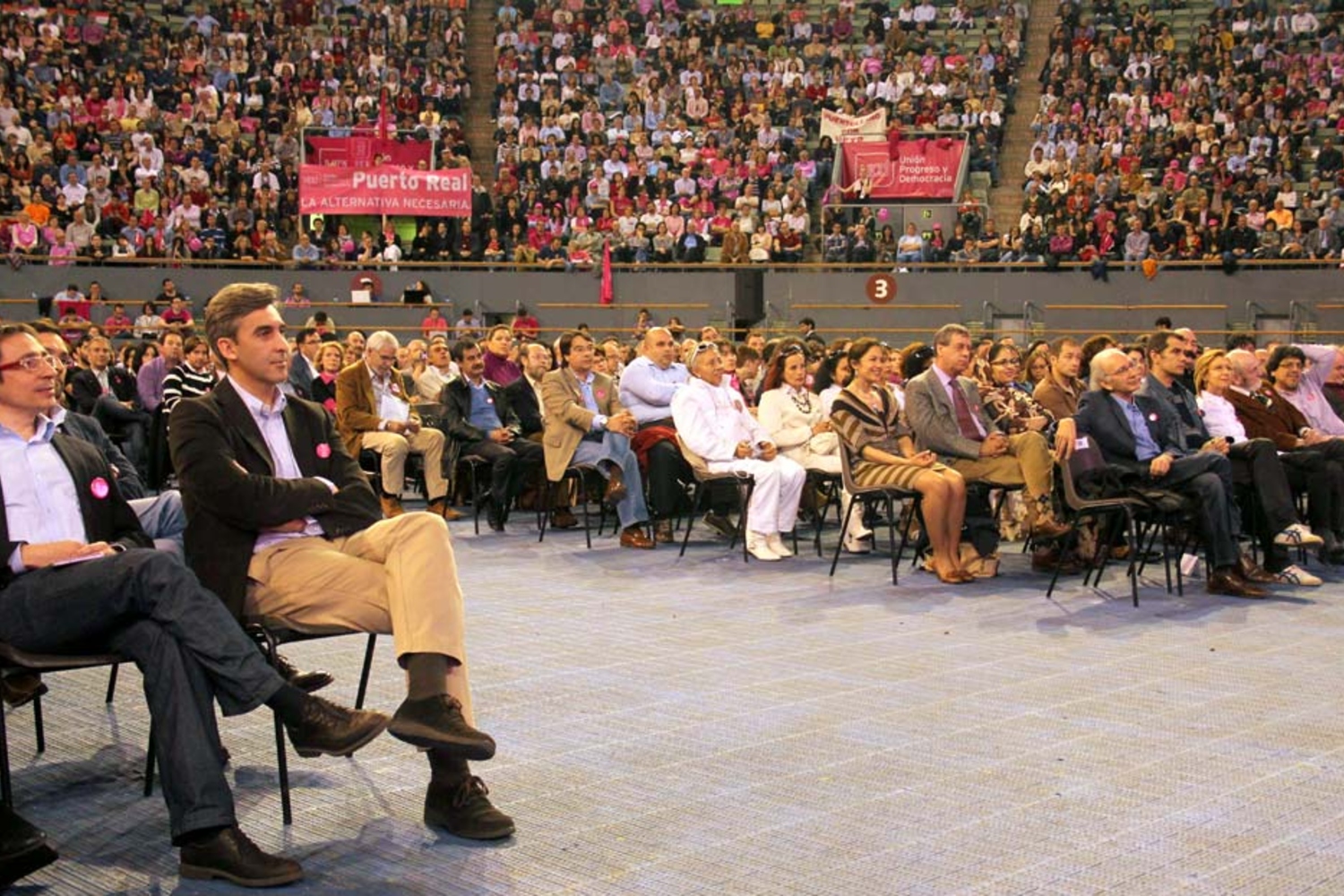
Professor Ortega wants to be Mayor
Chronicle of the campaign for mayor of Madrid of the candidate of Unión, Progreso y Democracia (UPyD), who cites Unamuno and tries to break the iron bipartisanism of Spain in the 2011 elections.
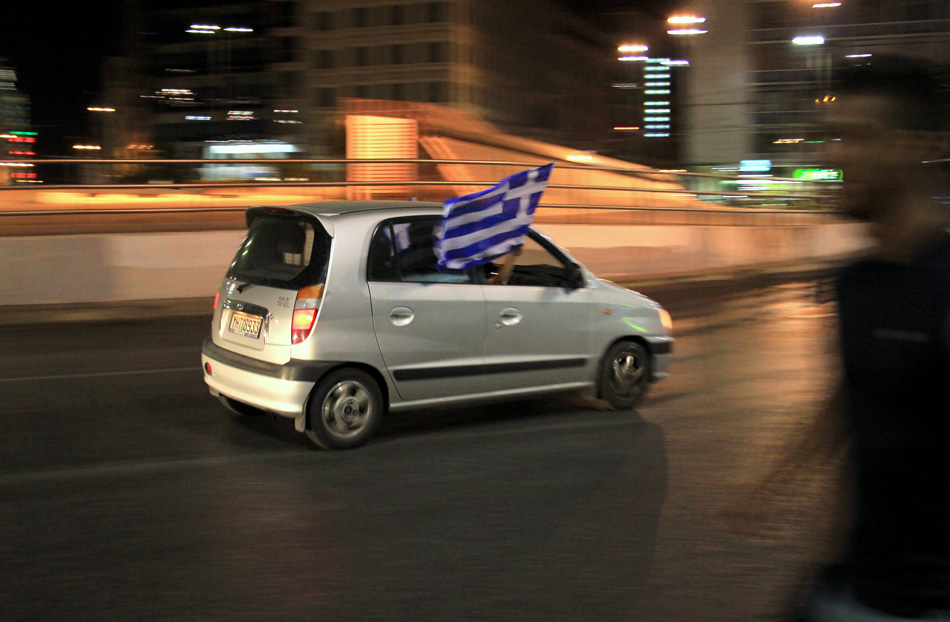
Fear and Utopia in Athens
Two days in Greece: one for reflection, another for voting. The economy, the financial markets definitely took the place of “destiny”. What is fatality doing here even among us? Napoleon asked Goethe. “Today fatality is politics”.
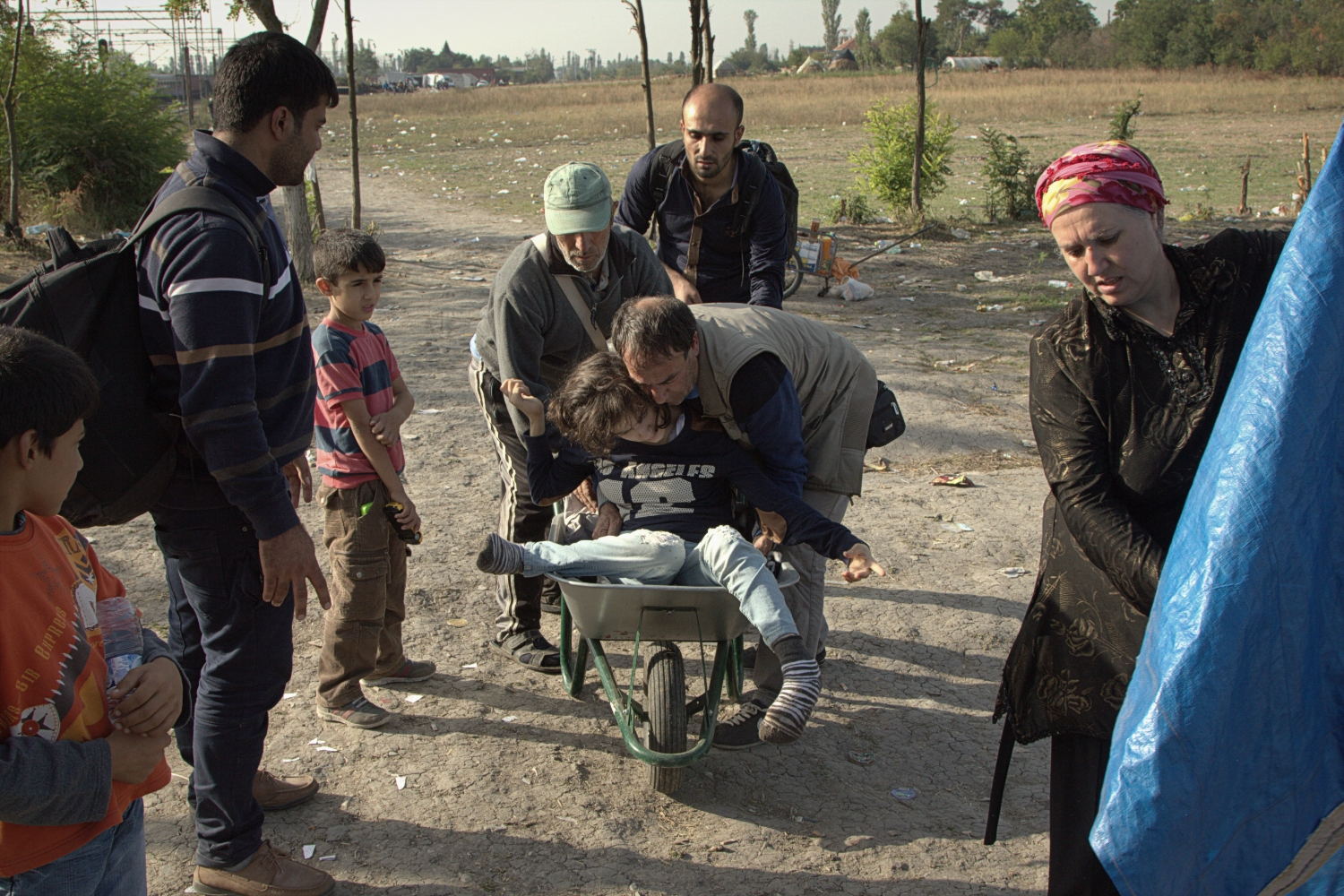
“They don’t want to stay and we don’t want them”
During 2015, on the border between Macedonia and depressed southern Serbia, the refugee parade provided a business opportunity for some people while others, displaced during the Kosovo war 15 years earlier, offered their help to the new arrivals.
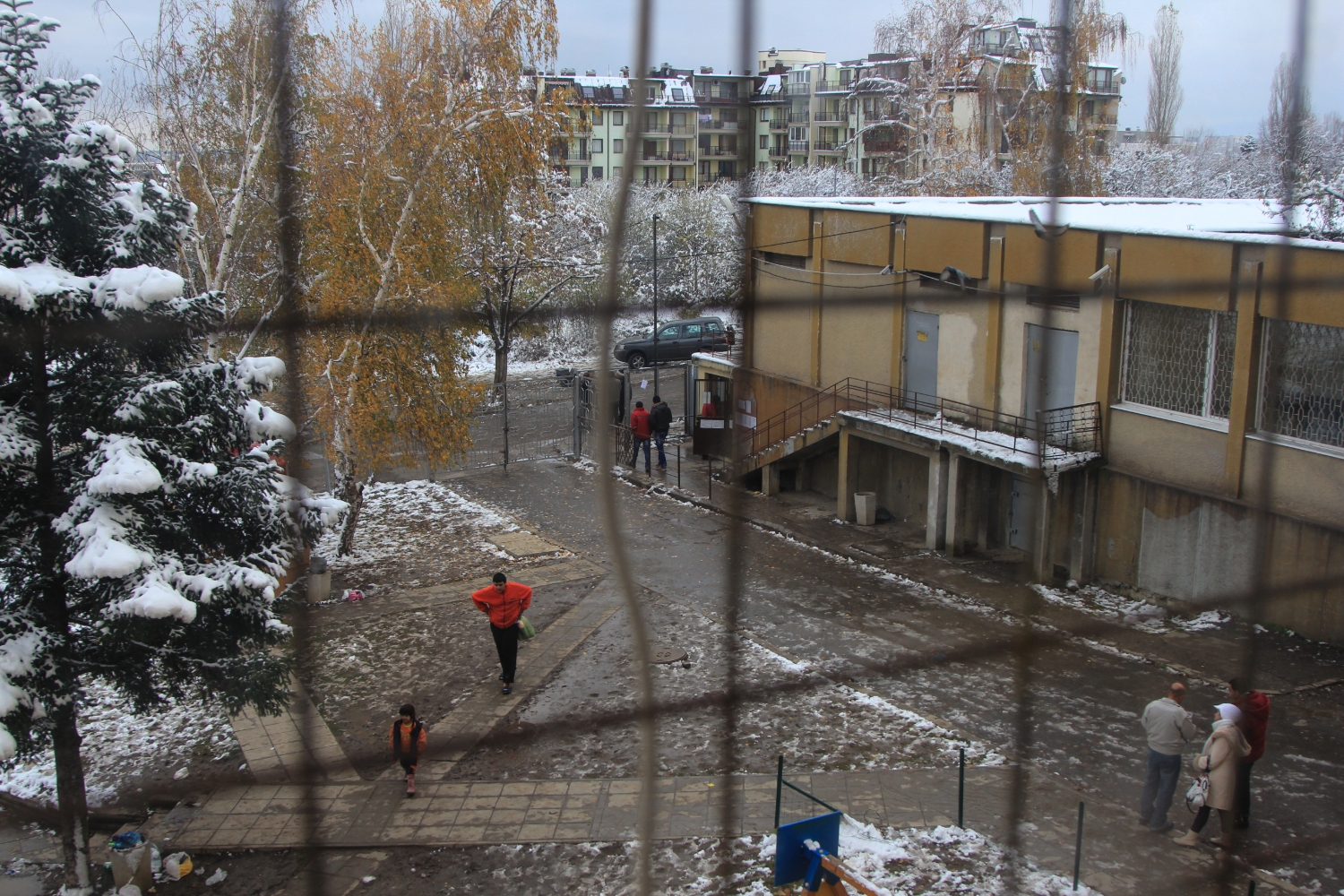
The European limbo of Syrian refugees
They came to Bulgaria with the hope of settling in the country or starting a new life in any other state in the European Union. At the end of 2013, there were more than 13,000 refugees, most of them Syrian, who came face to face with the sad reality of the “temporary reception camps”, where they live poorly while waiting for the Bulgarian and European authorities to decide what to do with them.
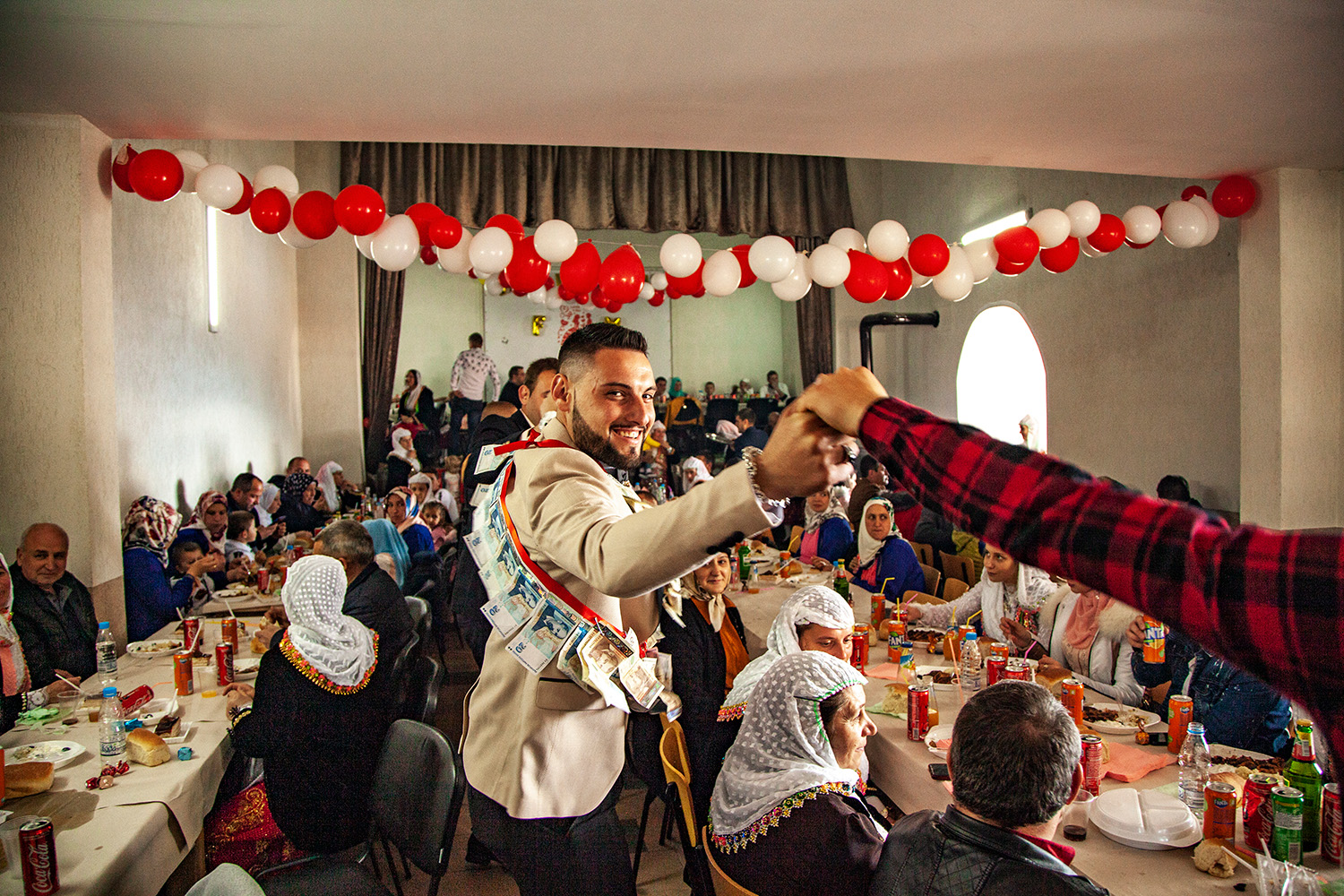
Ribnovo and the Pomak wedding of Fatme and Mehmed
The Pomaks are the minority that arouse the greatest interest among those who try to get to know the country in its complexity. Most of Bulgarian Pomaks live in the legendary Rhodope Mountains in the south of the country. The centuries-old customs and rituals are still preserved in certain villages, give them a mystical and extravagant aura. Among all, the most popular tradition are the weddings that take place every fall and winter in the town of Ribnovo.

Andricgrad, Bosnia and the symbolic universe of Emir Kusturiça
The construction of the so-called Andric City began in 2011 on the occasion of the 50th anniversary of the Nobel Prize that Ivo Andric received. From the first moment the great dream of the filmmaker Emir Kusturiça has been marked by controversy.