


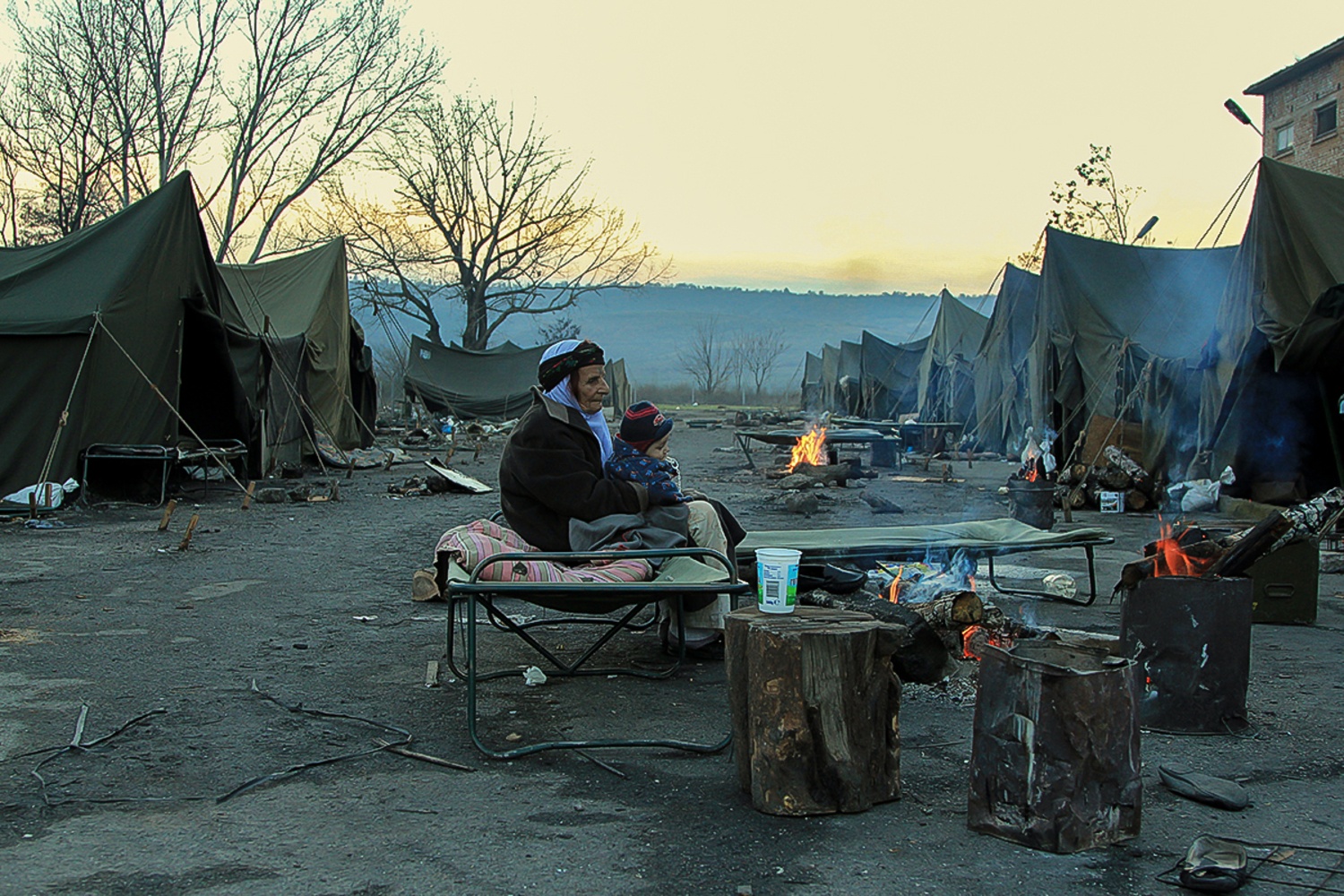
Temporary Accommodation
Despite being historically a crossroads of cultures, Bulgaria was not used to welcoming foreigners. Between 1990 and 2013, the Balkan country received an average of 900 asylum applications per year. However, at the end of 2013, more than 11,000 people were caught irregularly crossing the steep forests that separate Bulgaria and Turkey.
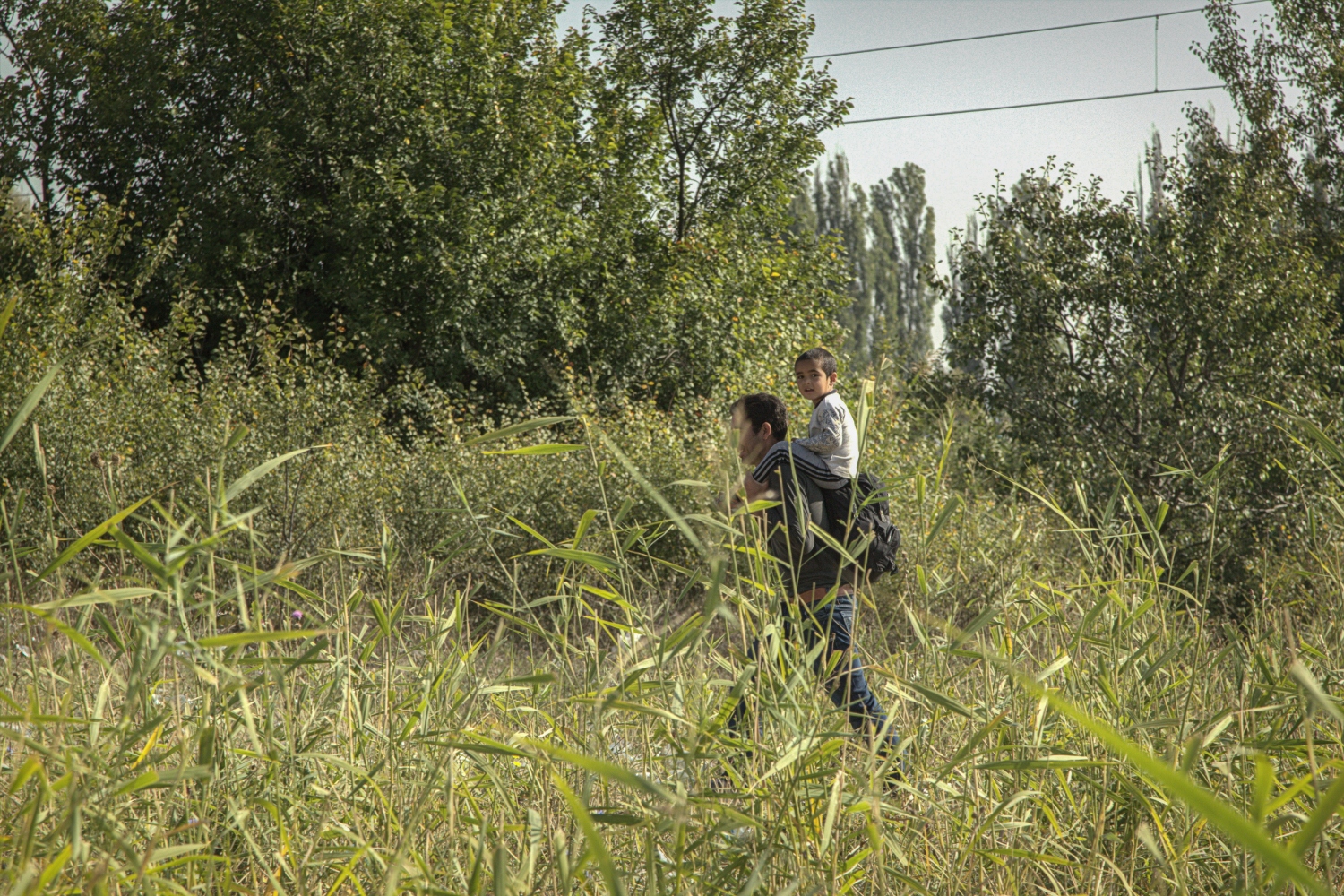
In Transit
Attracted by the idea of a better and less hostile life and convinced they could obtain the documentation that would allow them to travel and settle in other Western countries, thousands of families and young people put their physical integrity at risk to reach their goal of entering Europe.
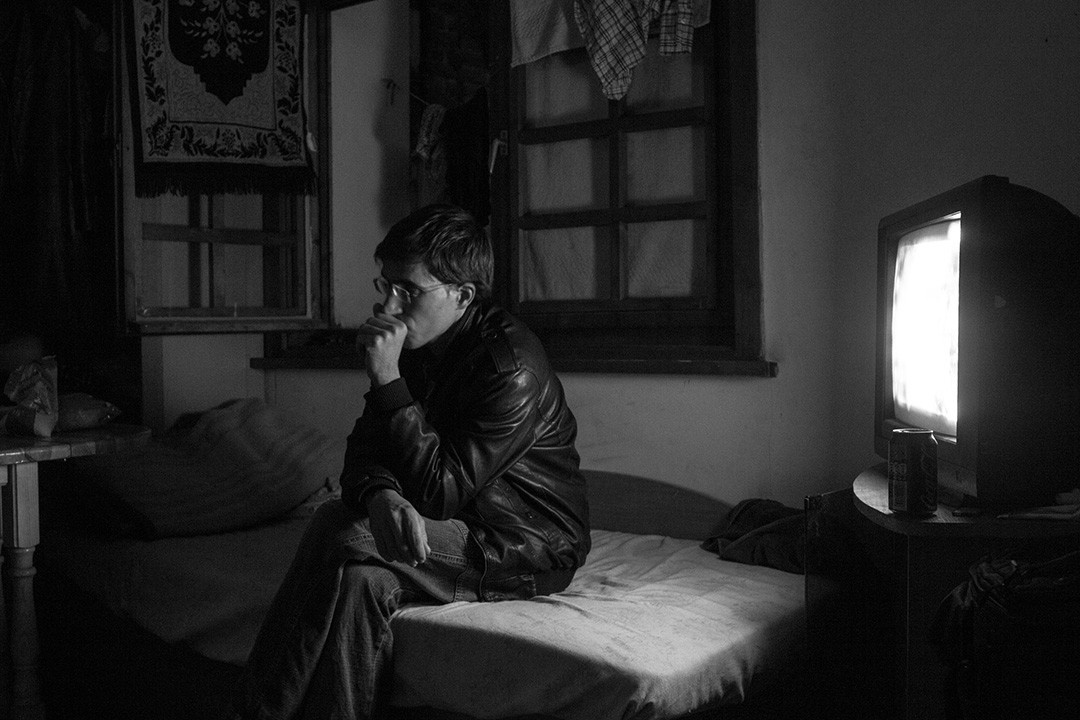
Europe, the hostel of broken dreams
In Sofia, the capital of Bulgaria, the old Jewish quarter of Utch Bunar today houses the Arab quarter, known as Little Beirut. By day it is a multicultural, colorful and lively neighborhood, where locals and immigrants coexist. At night this lively neighborhood turns into a dark and eerie place…

Interrupted Childhood
“Childhood Interrupted” portrays the daily lives of the thousands of Syrian children who, during 2014 and 2015, have lived in refugee camps in Bulgaria or have crossed the Balkan borders on foot in order to reach Western Europe.
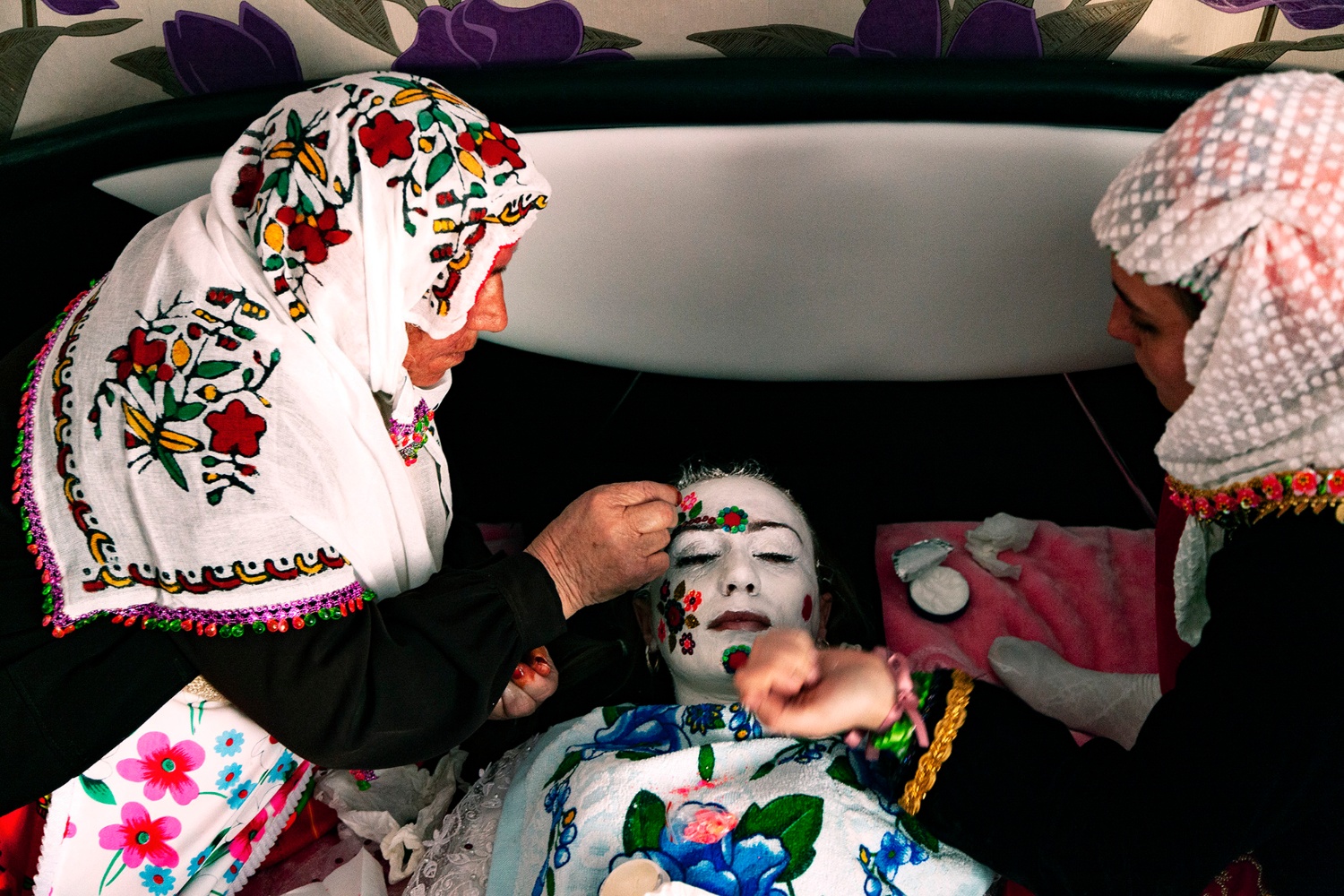
Fatmé and Mehmed
Fatme and Mehmed is a journey to the heart of the Rhodopes Mountains, in southern Bulgaria, near the border with Greece and Turkey. There lives the Pomak ethnic minority, a Slavic people who practice the Muslim religion. Ancient customs still persist in Ribnovo. Among these, the typical wedding stands out, which involves a large number of rituals and traditions that last generation after generation.

Srebrenica
On July 11th, 1995, in the Bosnian town of Srebrenica, 8,372 Muslim Bosnians were killed in the largest genocide in Europe since World War II. Since 2003, every July 11th, a collective funeral has been held at the Potočari memorial for the bodies identified during the previous year and in memory of all the victims.

L’Aquila, a missed opportunity
In the early morning of April 6, 2009, at 3.32 am, an earthquake of magnitude 6.3 on the Ritcher scale devastated the Italian city of L’Aquila, capital of the central region of Abruzzo. A decade later, the reconstruction progresses slowly and the city has hardly any soul.