






Europe, the hostel of broken dreams
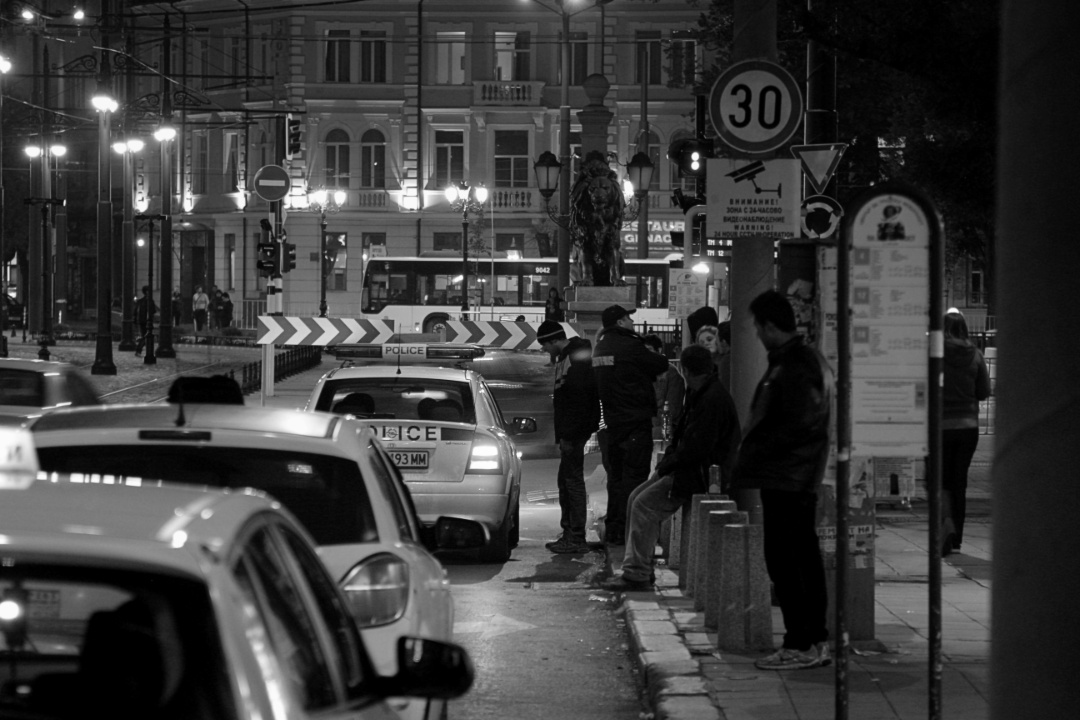
Sofia (Bulgaria). The former Jewish quarter of Utch Bunar today hosts the Arab neighborhood downtown. By day, it is a multicultural neighborhood, colorful and vivacious, where locals and immigrants live together. At night, this lively neighborhood turns into a dark and disturbing place, where dozens of young people gather at the doors of Arab phone booths and businesses or wander around trying to make a living in some way, looking for any opportunity to contact a smuggler who can get them out of Bulgaria, or just killing time and waiting for a stroke of luck.
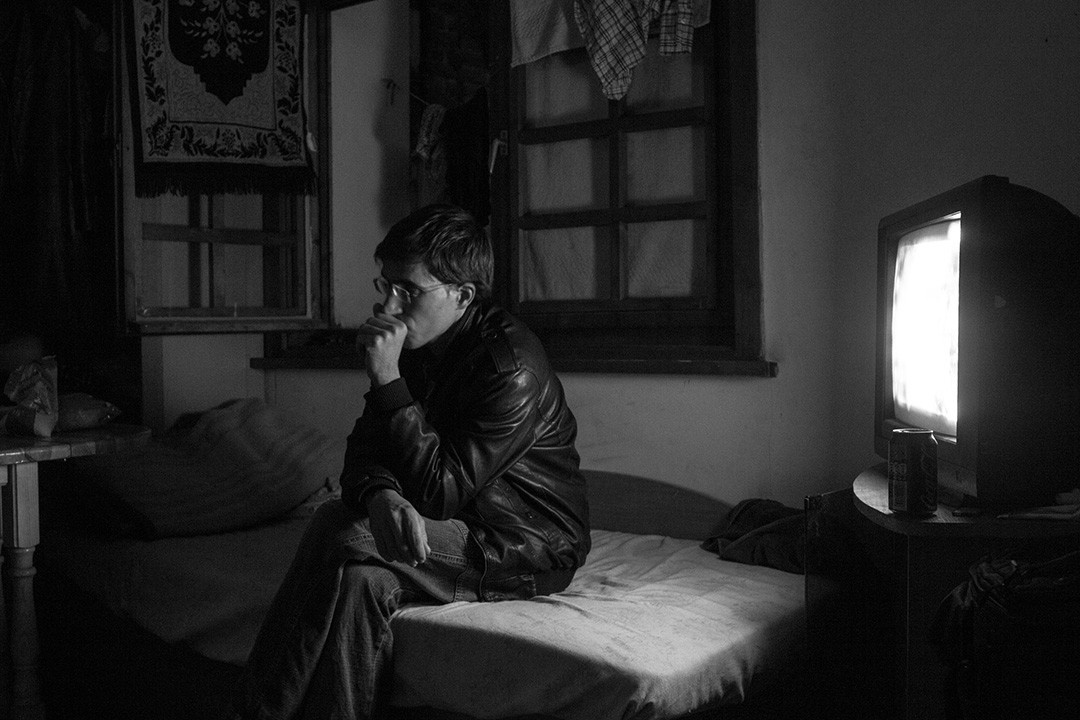
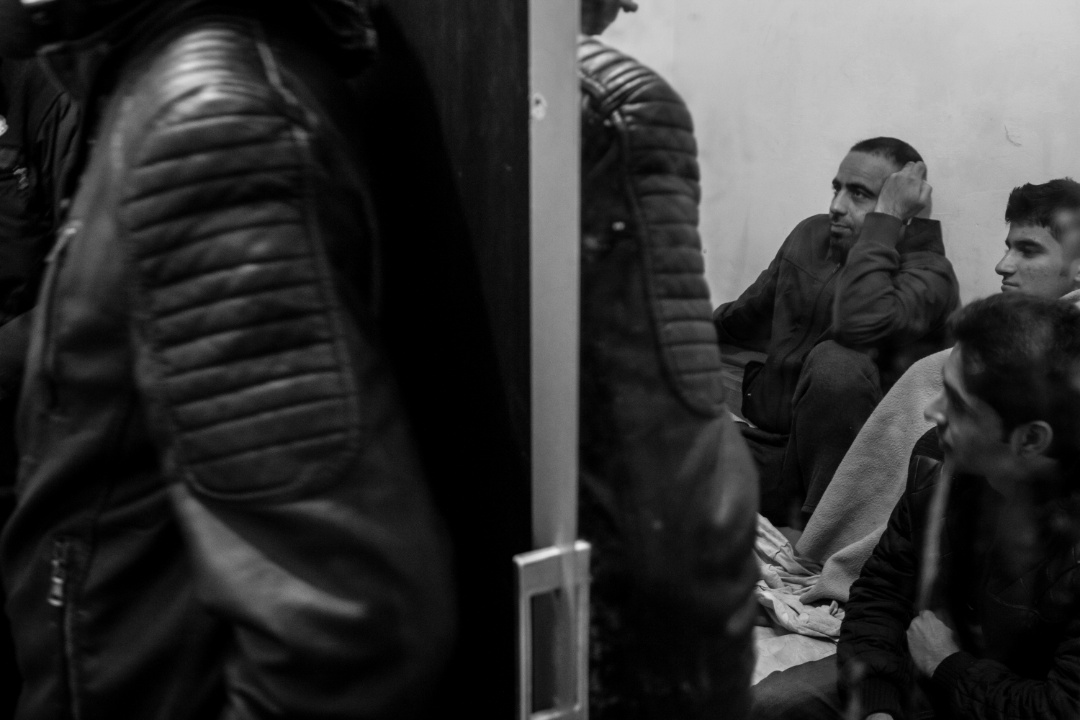
A few meters away from the Mosque and the Synagogue is one of the many hostels where dozens of North Africans, some Bulgarians and, for the most part, Afghans are clustered in deplorable conditions. These young people are waiting for the moment to cross the border with Serbia illegally.
In that filthy space, you find people deported from other European countries (mainly Hungary, Germany and the Nordic countries), others who spent more than a year in a closed camp – similar to a prison – despite having applied for asylum, and most are waiting without hope of obtaining documents. There are also two young Syrians who had to stay in Bulgaria with their passports for three years and were trying to start a business, but it was very difficult because the Bulgarian government failed to implement any integration plan.
They all came with the same goal: through Bulgaria, they fulfilled their dream of reaching Europe. In this hostel, the myth of Europe slowly fades and the dream also dies with it.