










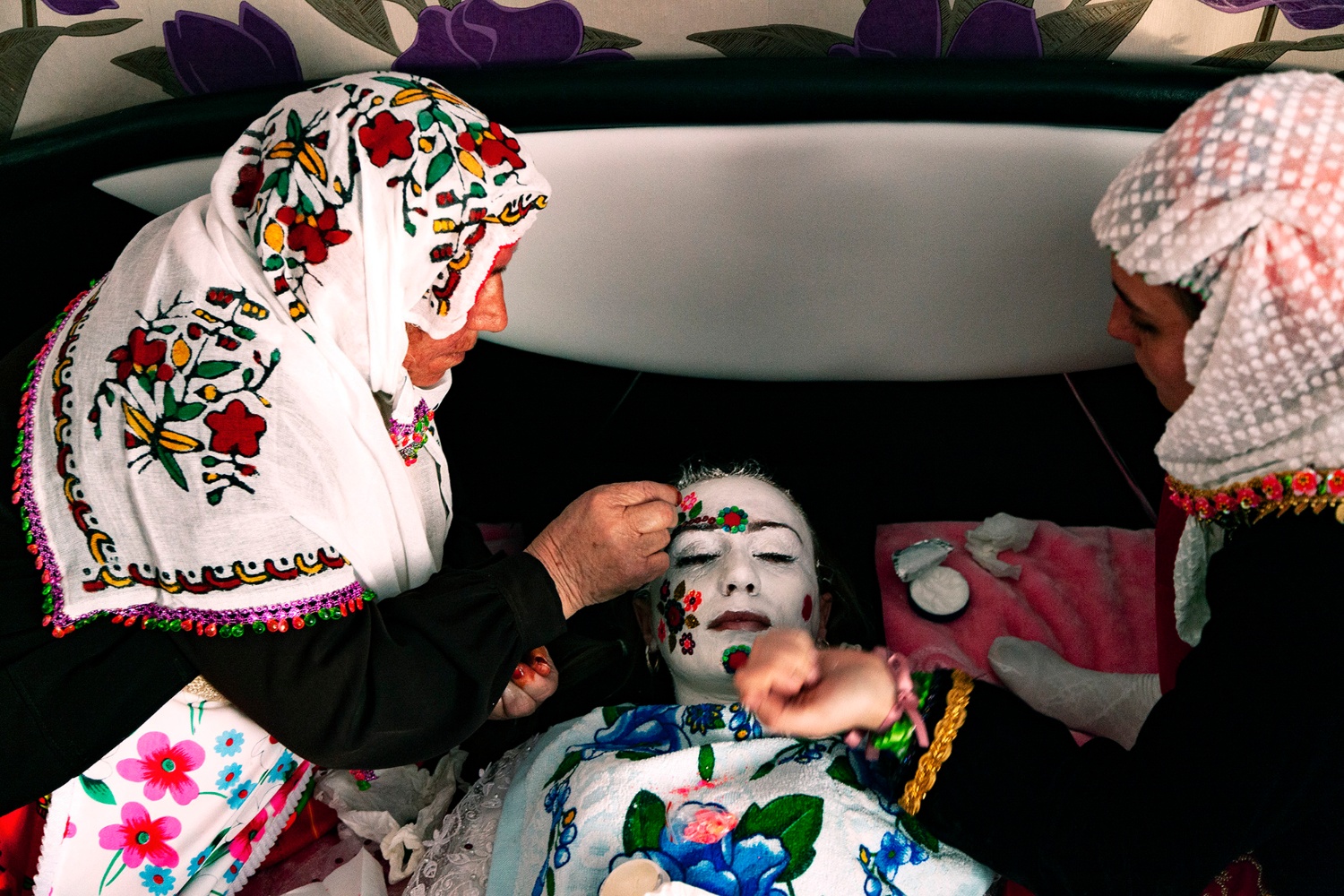


Fatmé and Mehmed
Bulgaria is a country made up of huge minorities. The Pomaks are usually the ones that arouse the greatest interest among those who try to get to know the country in its complexity, beyond the tourist places, the common people and the official speeches. They are a minority of Bulgarian Slavs – between 150,000 and 250,000 – who were converted to Islam during the Ottoman rule of the Balkans and who currently live in Bulgaria, northeast Greece and northwest Turkey.
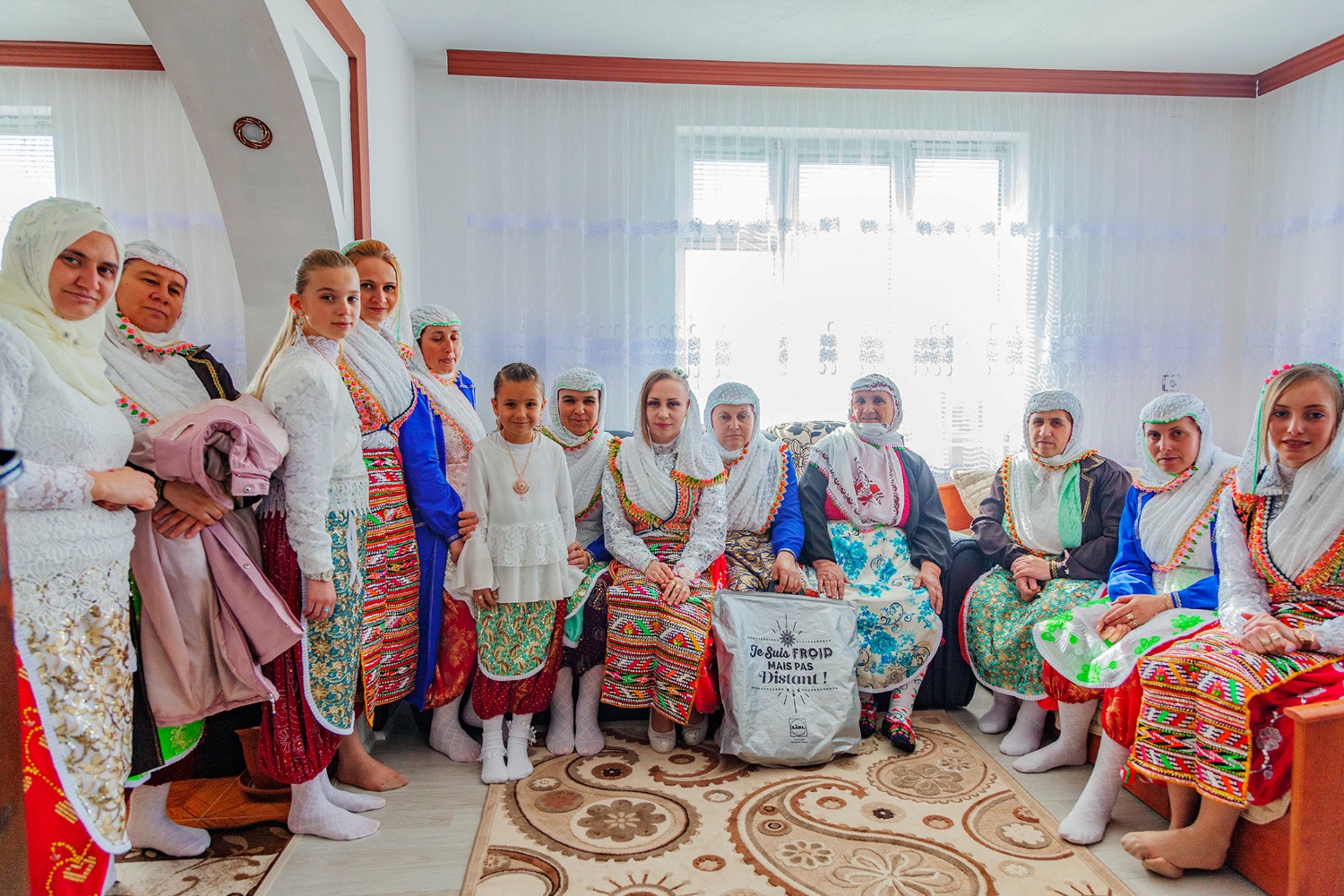
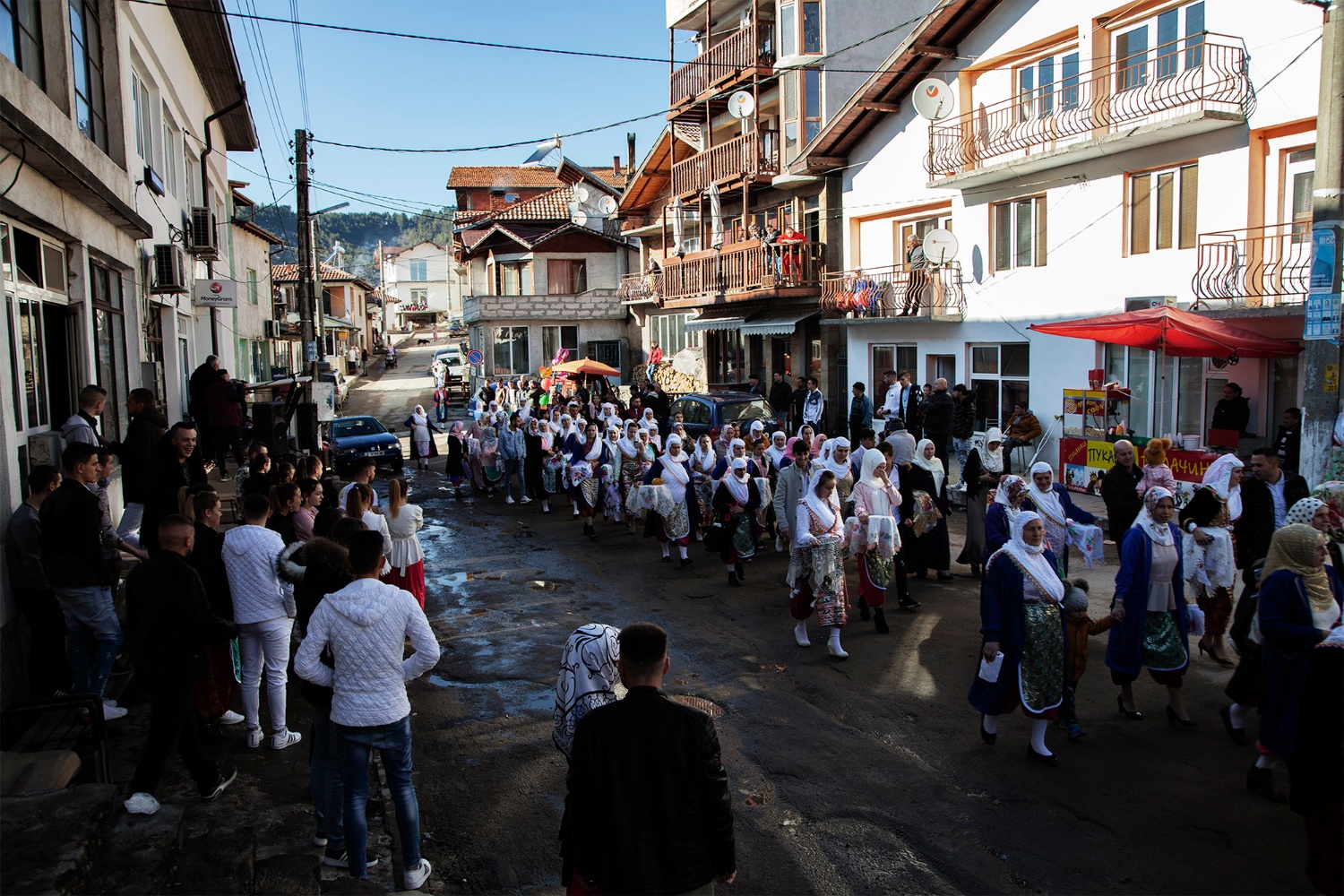
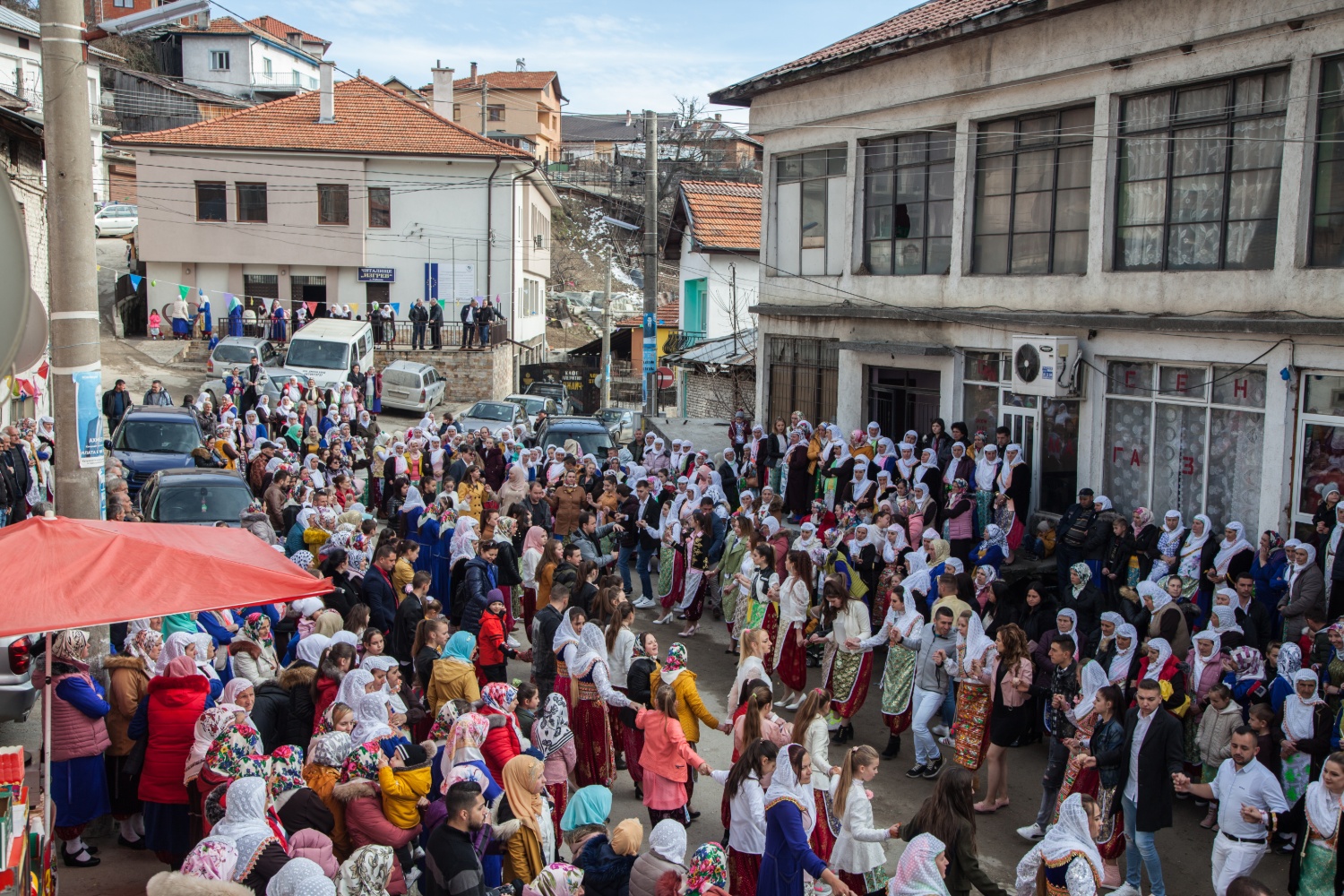
Most of the Bulgarian Pomaks live in the legendary Rhodope Mountains in the south of the country. Due to their isolation because they inhabit remote areas, the flowery and colorful clothing of the women and, above all, the centuries-old customs and rituals that are still preserved in certain villages, give the Pomaks a mystical and extravagant aura. Among all, the most popular tradition are the exclusive weddings that take place every fall and winter in the town of Ribnovo inhabited only by Pomaks.
Ribnovo is located in the eastern part of the Rhodopes, at an altitude of 1152 meters and about 70 kilometers southeast of Blagoevgrad, capital of the province of the same name and home to a university where, for some time now, some young Pomaks study or work, as Fatmé and Mehmed. The arable land around Ribnovo is limited and the industrial and economic fabric rather scarce, which is why, in addition to Blagoevgrad, Plovdiv or Sofia, many young people and adults, mainly men, go abroad to work during the spring and summer. The role that women play during this absence, together with their important role in the sustainment of customs and the celebration of traditions, prove – despite the greater decorum socially imposed – the existence of a prominent matriarchal organization in this community.
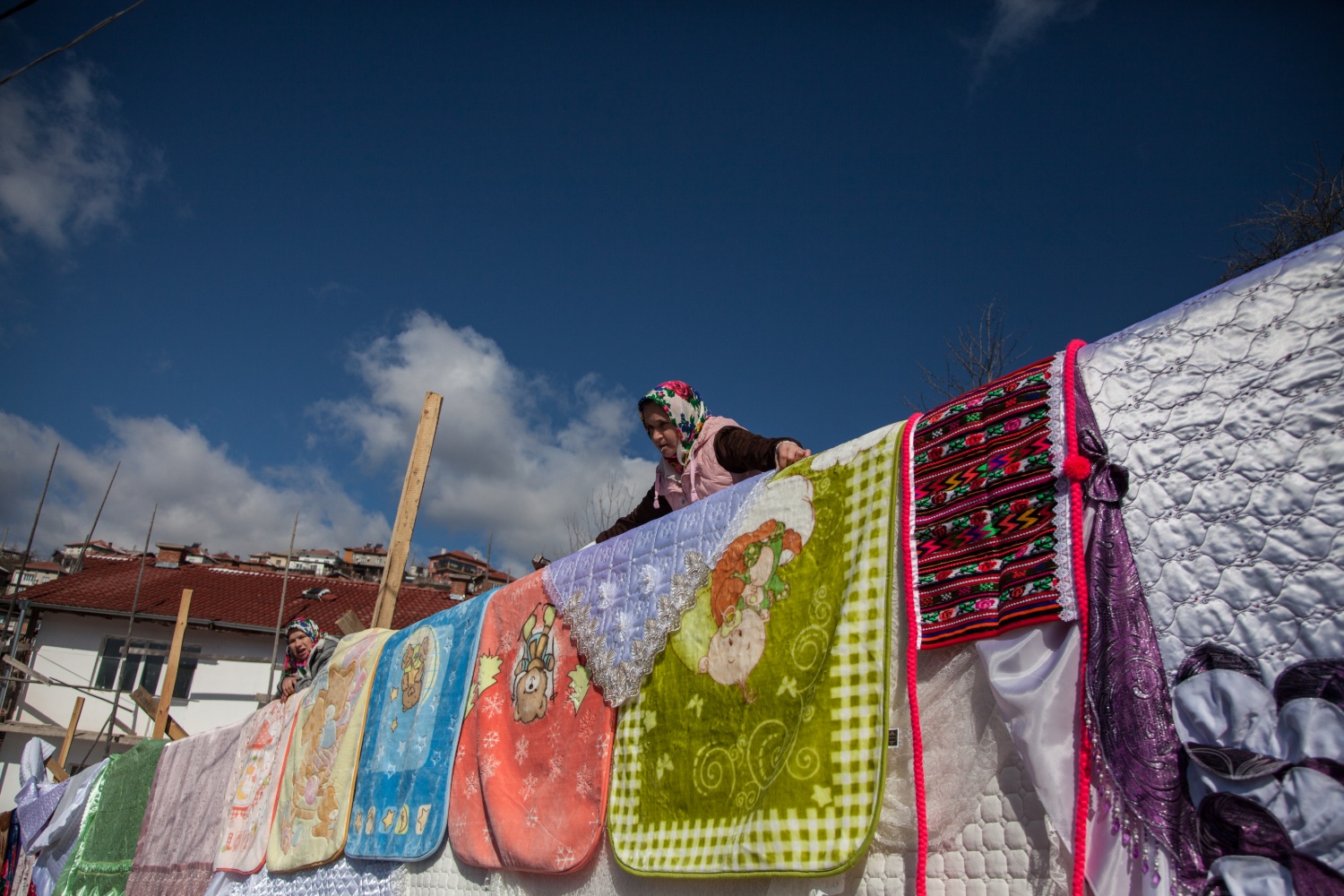
The nuptial festivities extend over several days during two weekends: one for the engagement and entertainments by the families of the couple and the second when the banquets and ceremony take place, which ends when the bride is dressed in traditional fabrics and prepared with a centuries-old makeup consisting of a white base with ornaments and sequins of various colors. Each design is unique to the community to which it belongs.