















L’Aquila, a missed opportunity
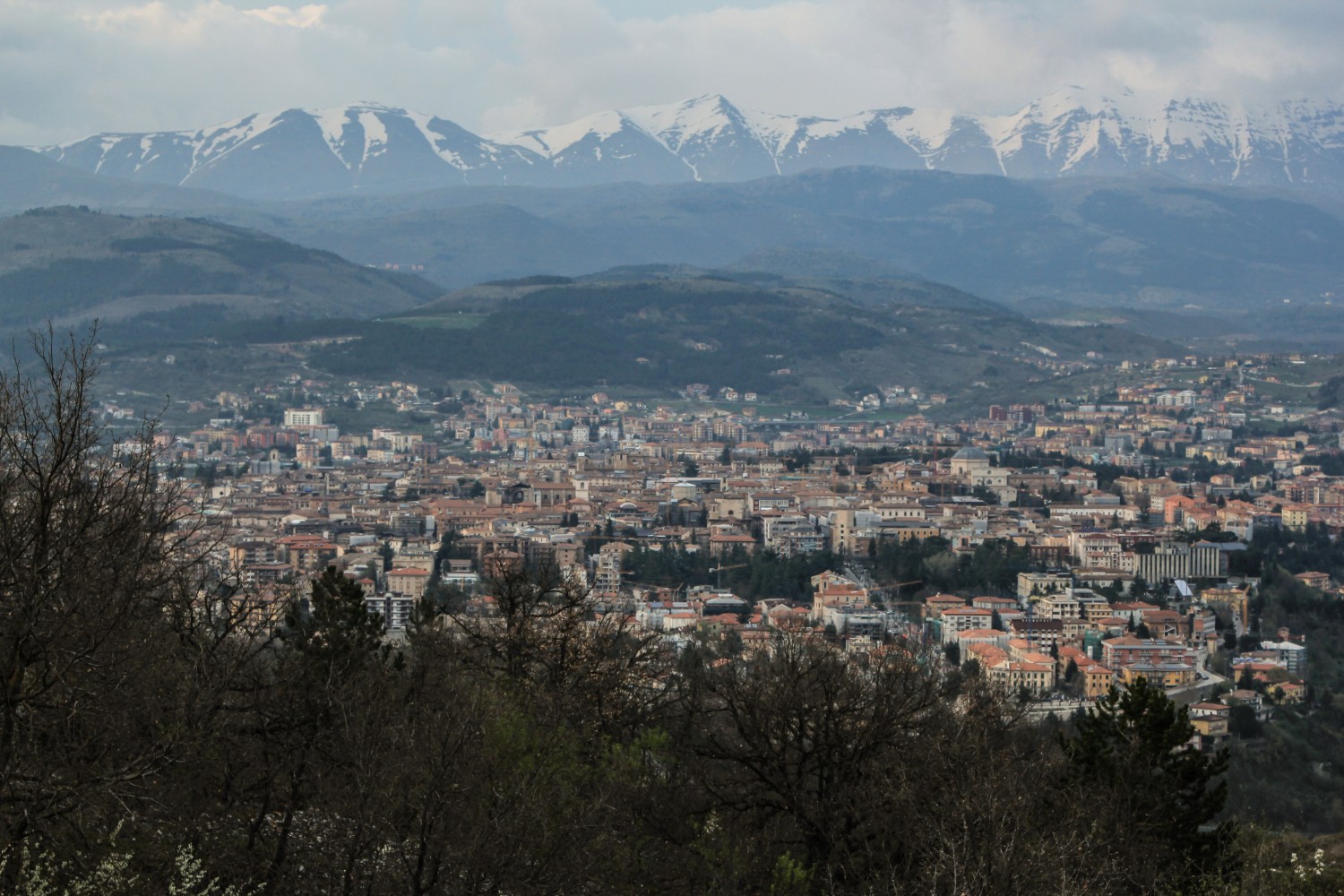
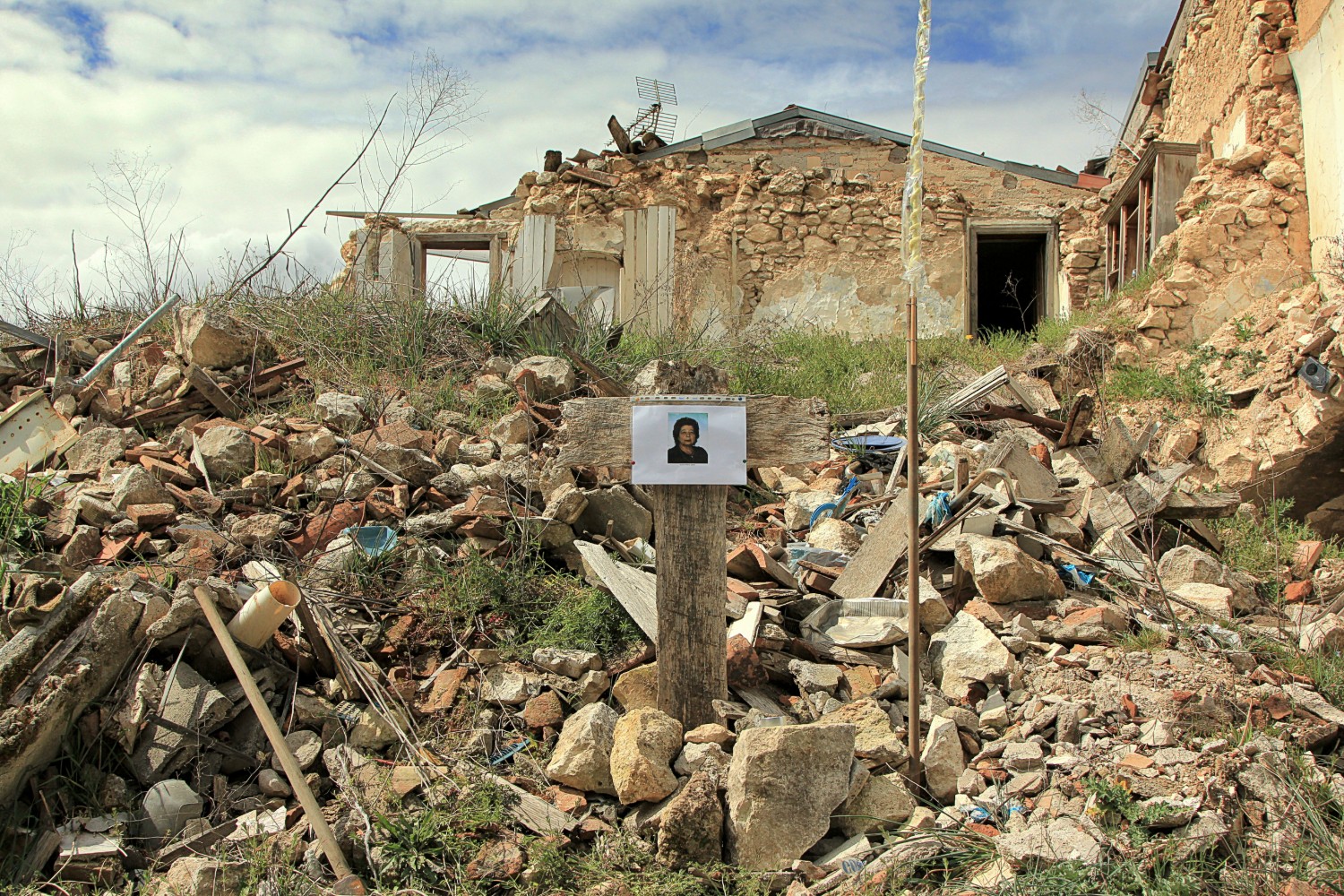
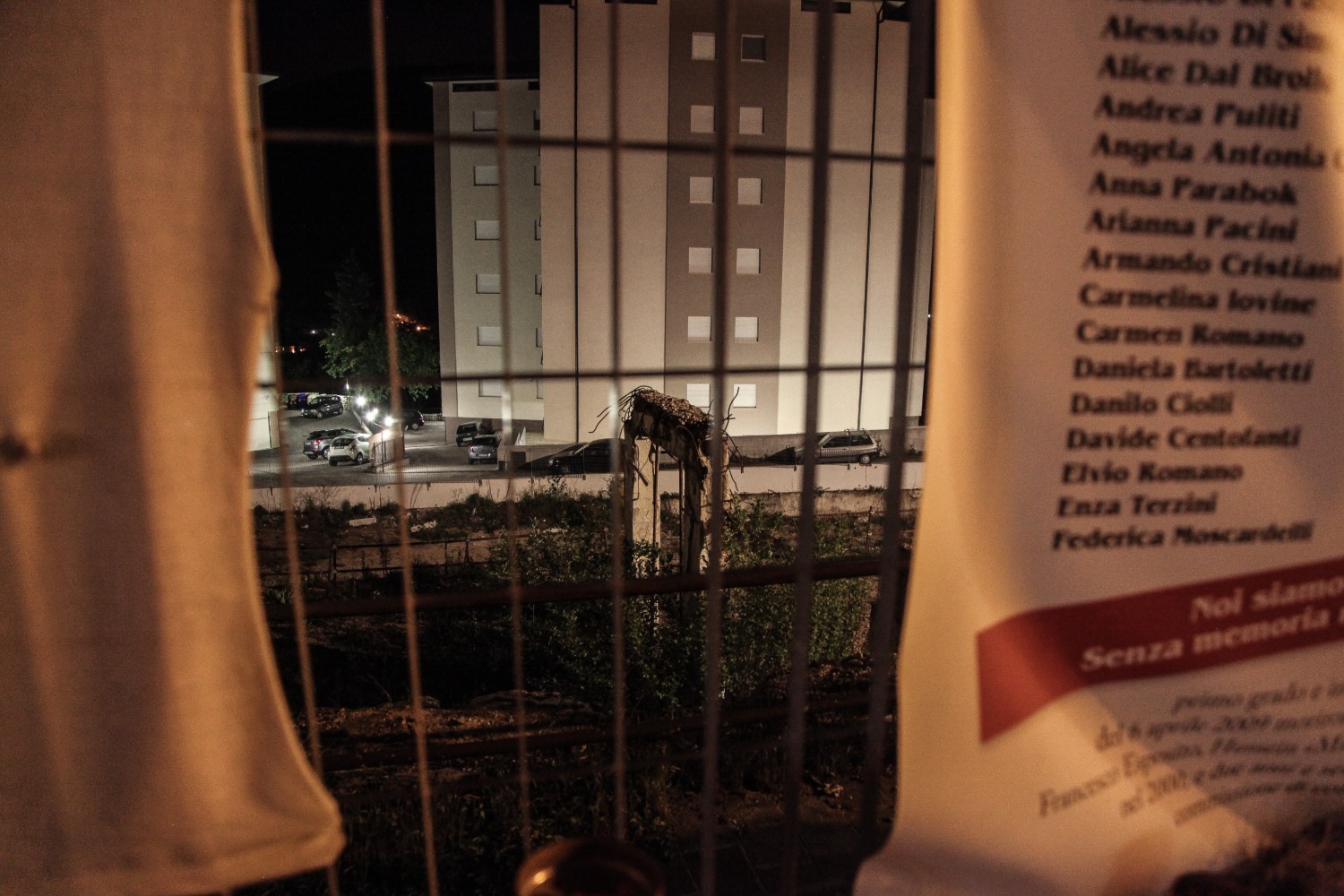
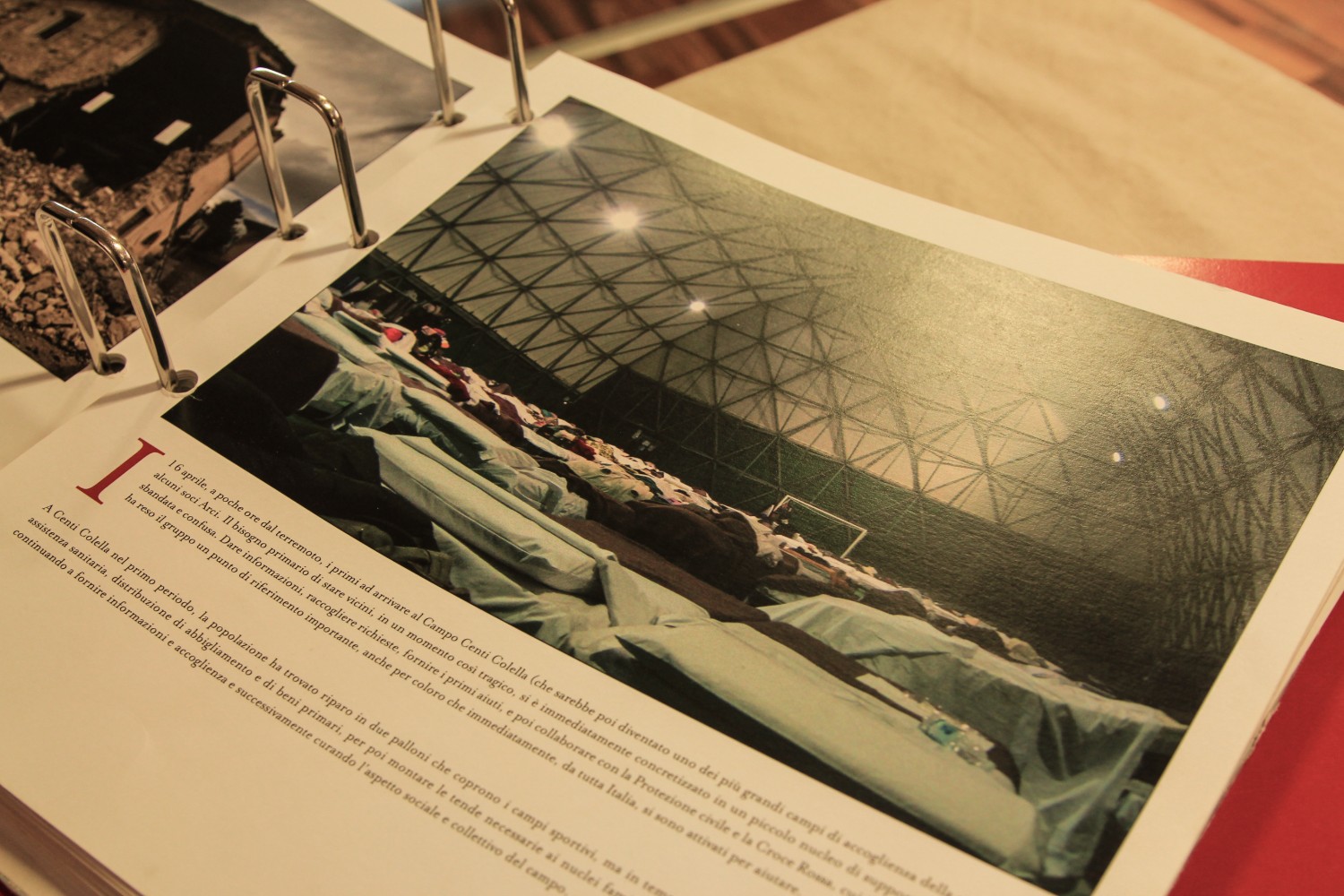
In the early morning of April 6, 2009, at 3.32 a.m., an earthquake measuring 6.3 on the Ritcher scale devastated the Italian city of L’Aquila, capital of the central Abruzzo region. 309 people died, more than 1,600 were injured and practically the entire population – almost 70,000 – was evacuated and displaced to camps set up around the city or to shelters in other cities and on the Adriatic coast.
The destruction of the historical-artistic heritage – the sixth most important in all of Italy – was a tragedy for the city. However, the Aquilans suddenly had to face a new and harsh reality marked, in many cases, by the loss of loved ones and, in all, by the loss of memory and collective identity, as well as the destruction of tissue social and economic. The city has expanded, neighbors and friends have grown apart, and the places to shop and meet have moved to the many shopping centers built on the outskirts.
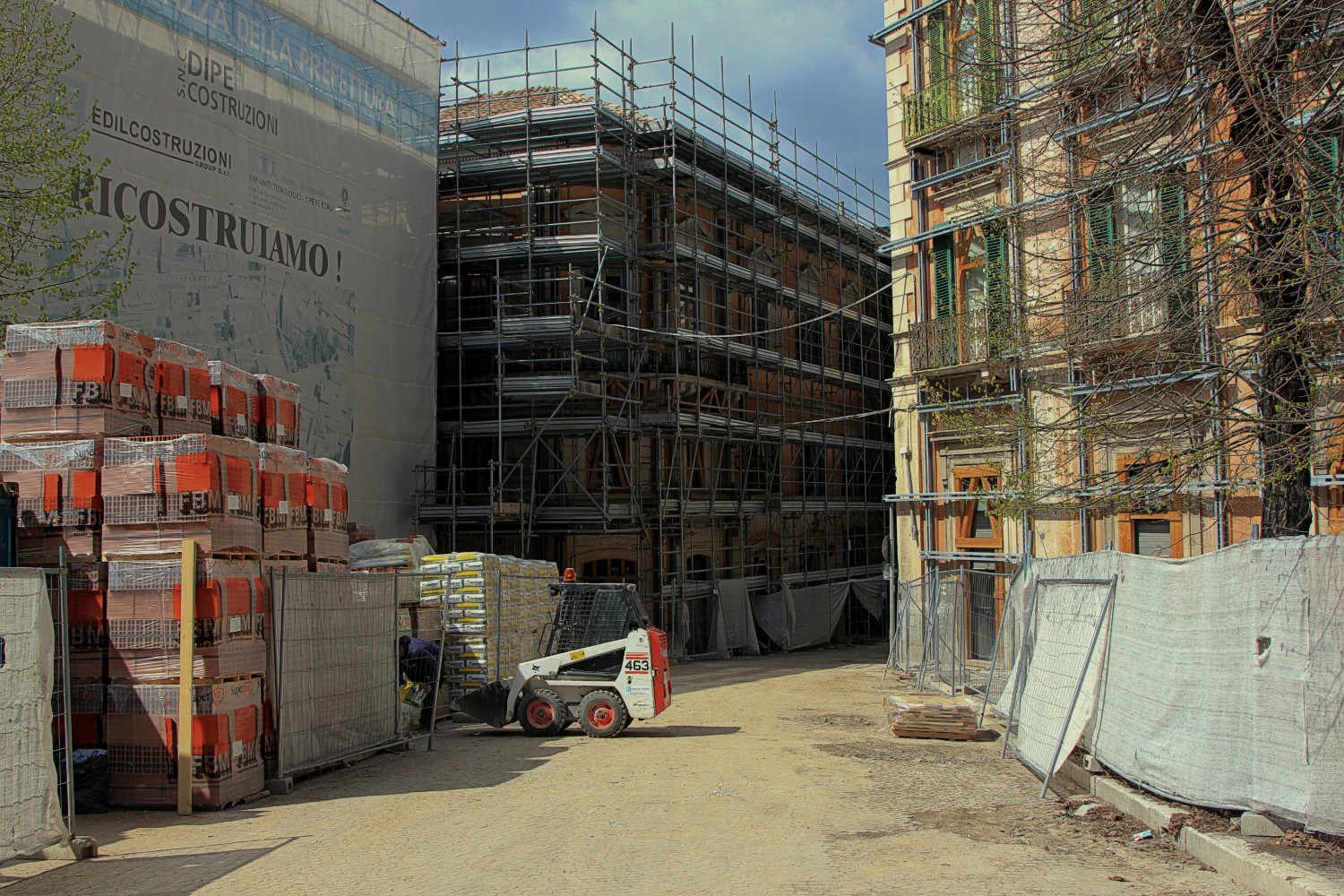
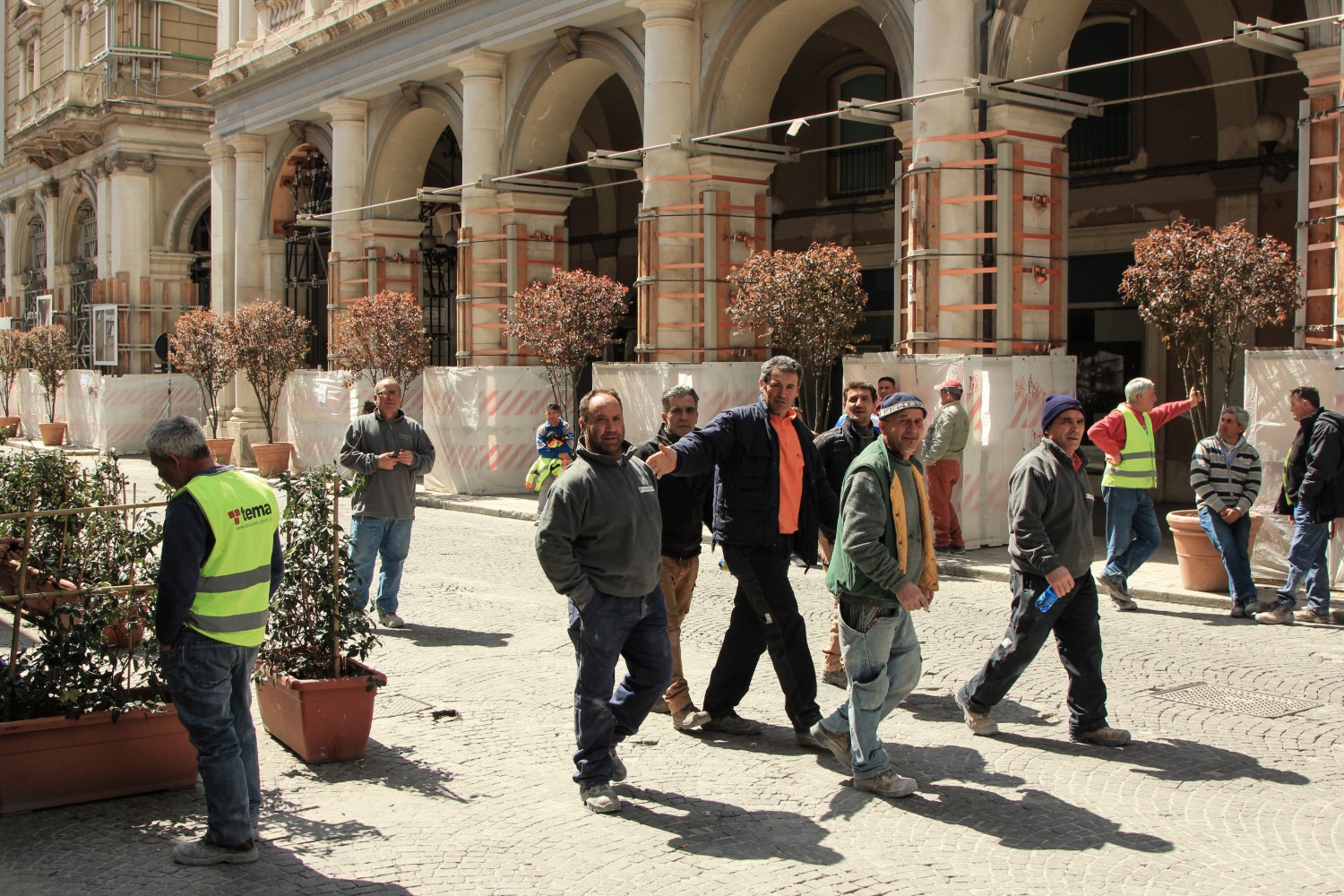
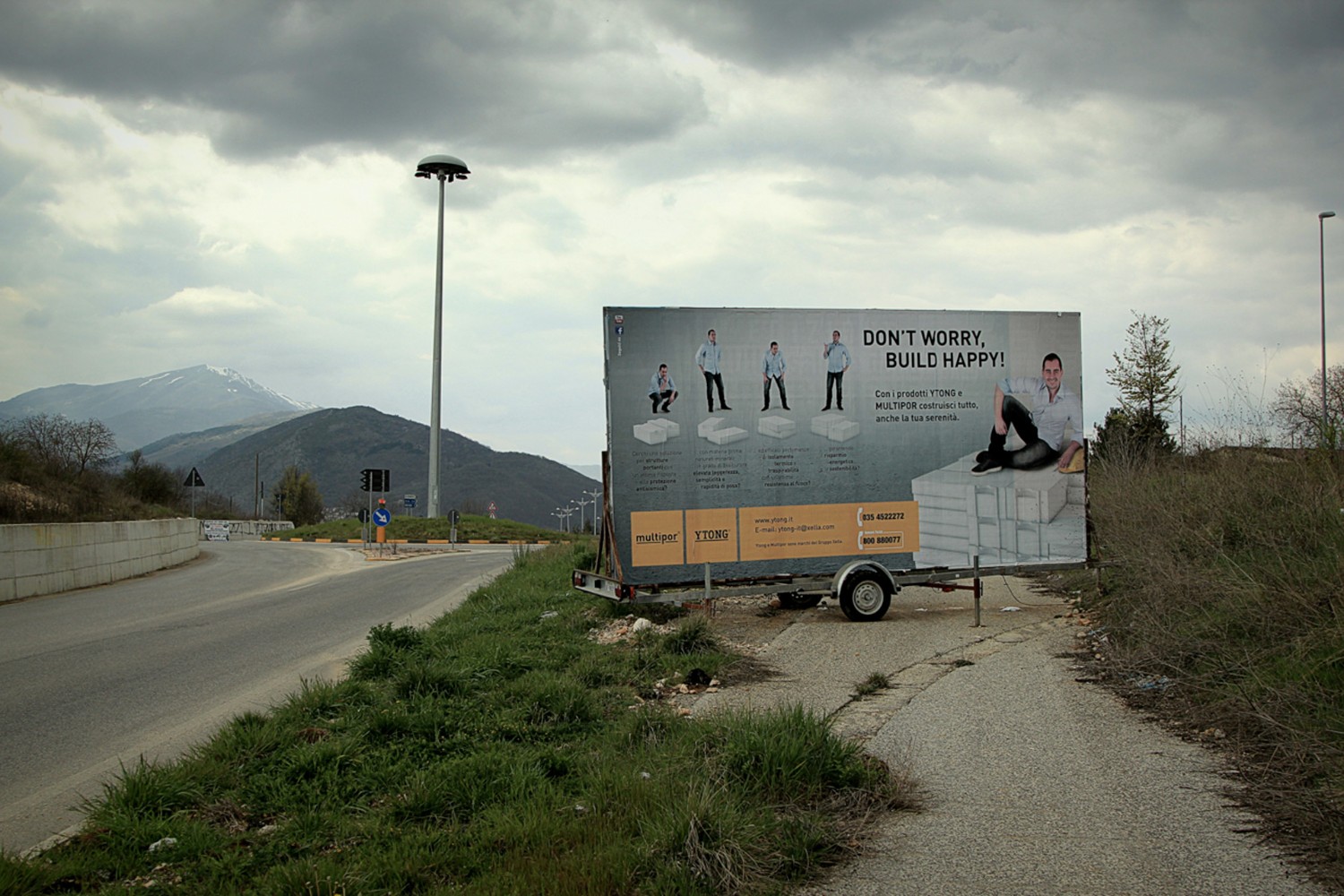
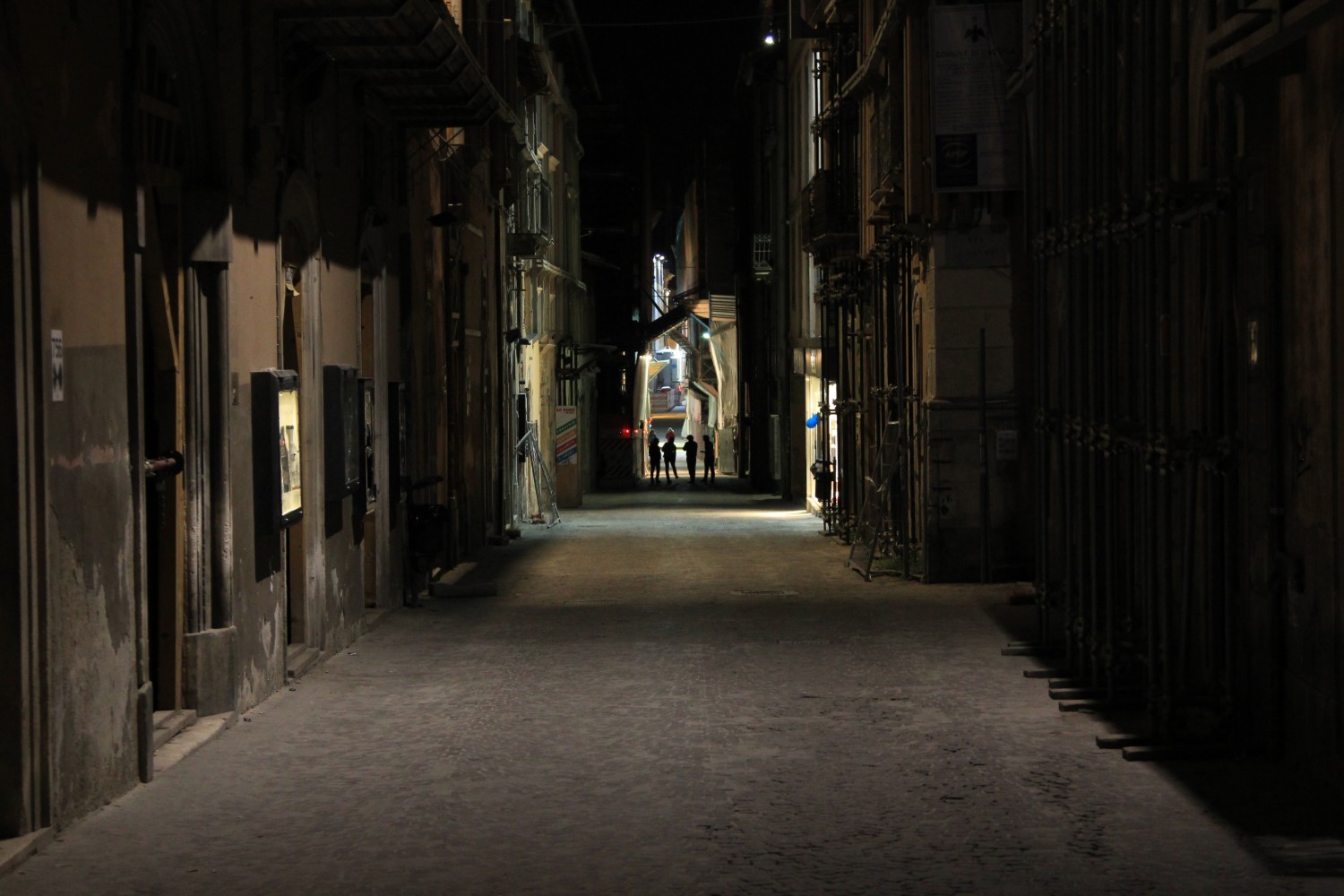
In 2014, after several years of lawsuits, the reconstruction works just started and it was estimated that by 2019 the works would be finished. It was the fifth anniversary with the center of L’Aquila closed, empty, guarded by the military and only visited by the workers.
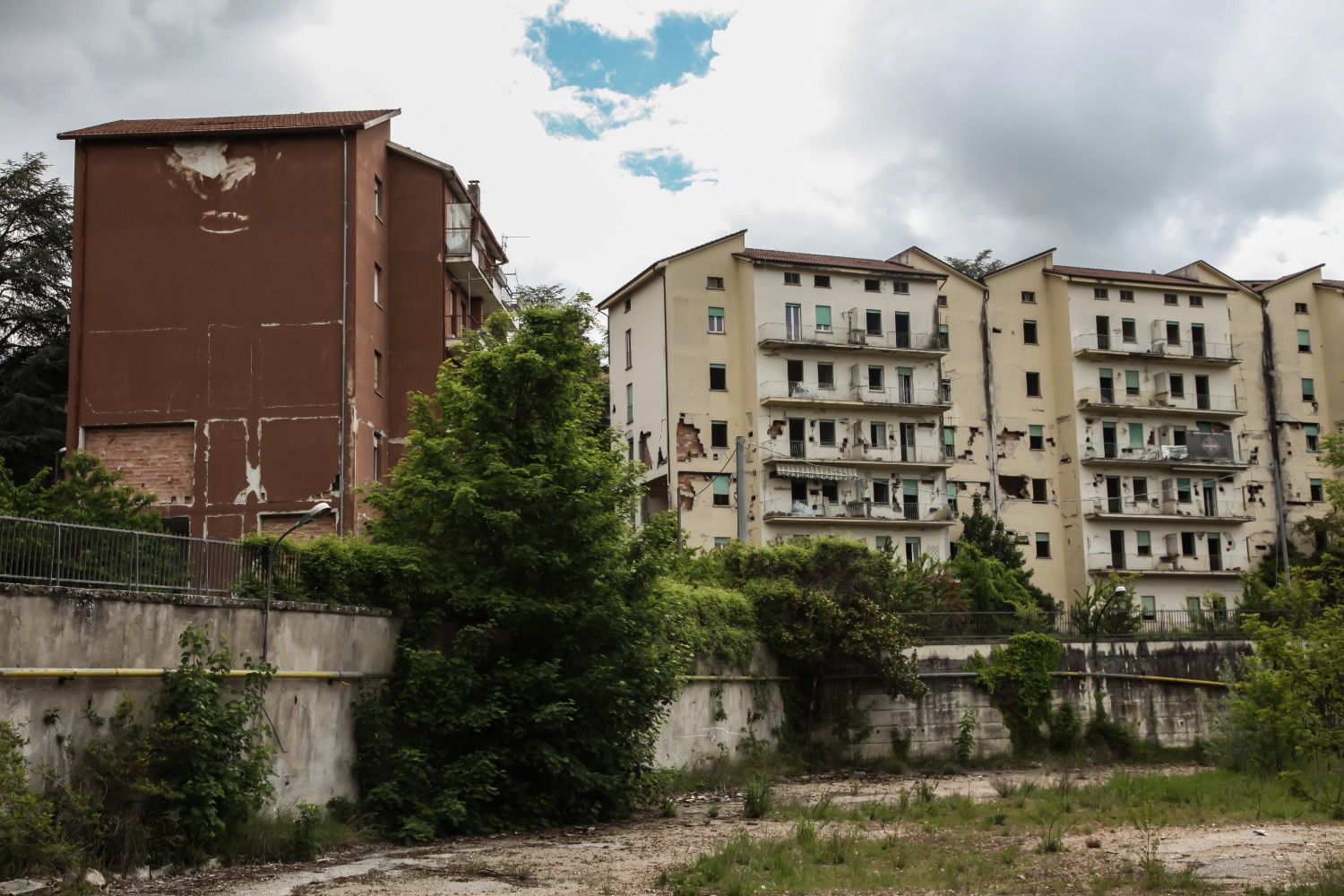
Ten years, six prime ministers and two mayors after that fatal event, the city continues in suspense, engulfed in a slow emotional, social and urban reconstruction that reflects a decade of unrest in Italian politics and symbolizes corruption, lack of foresight and the bureaucratic ineffectiveness installed in the institutions.
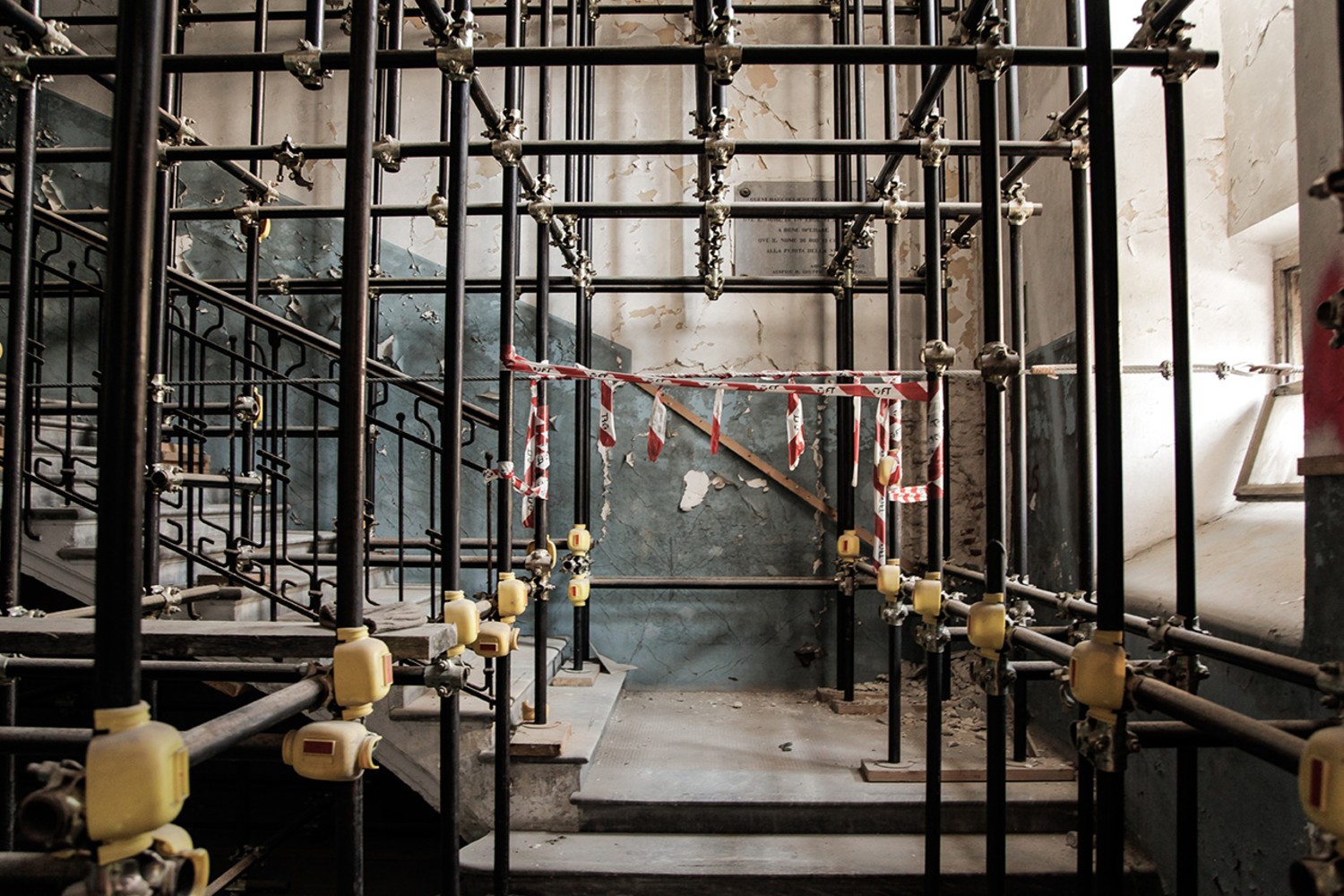
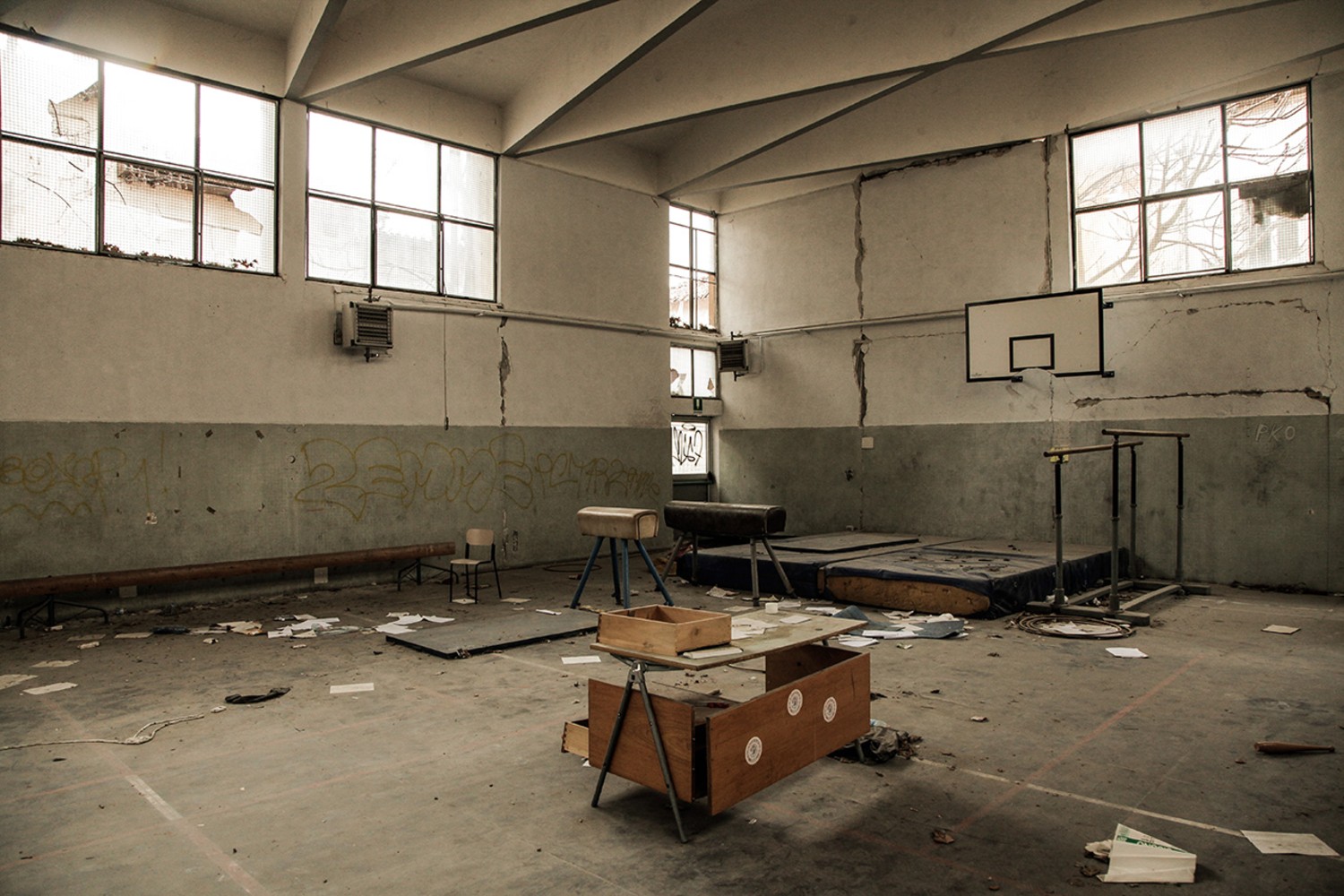
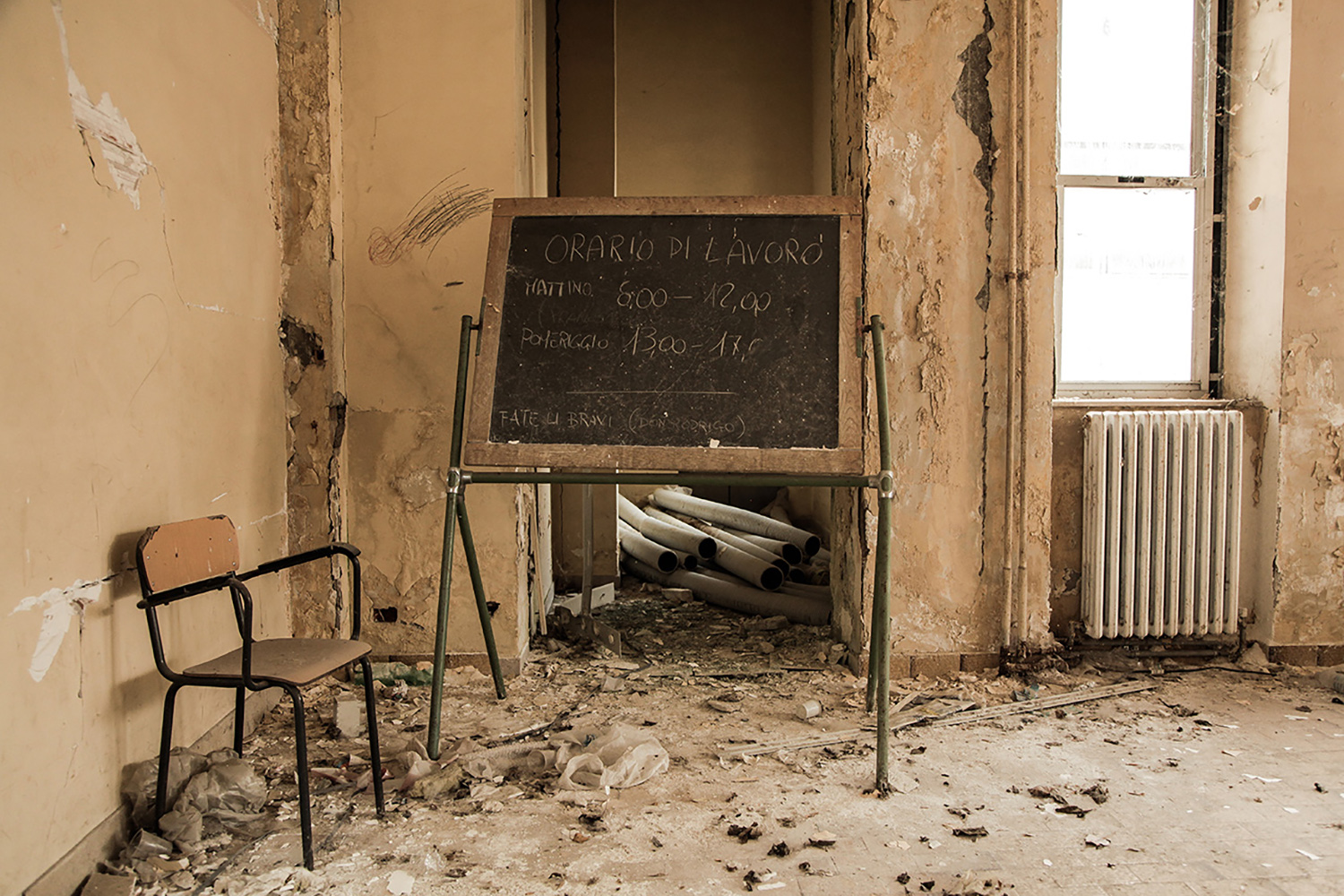
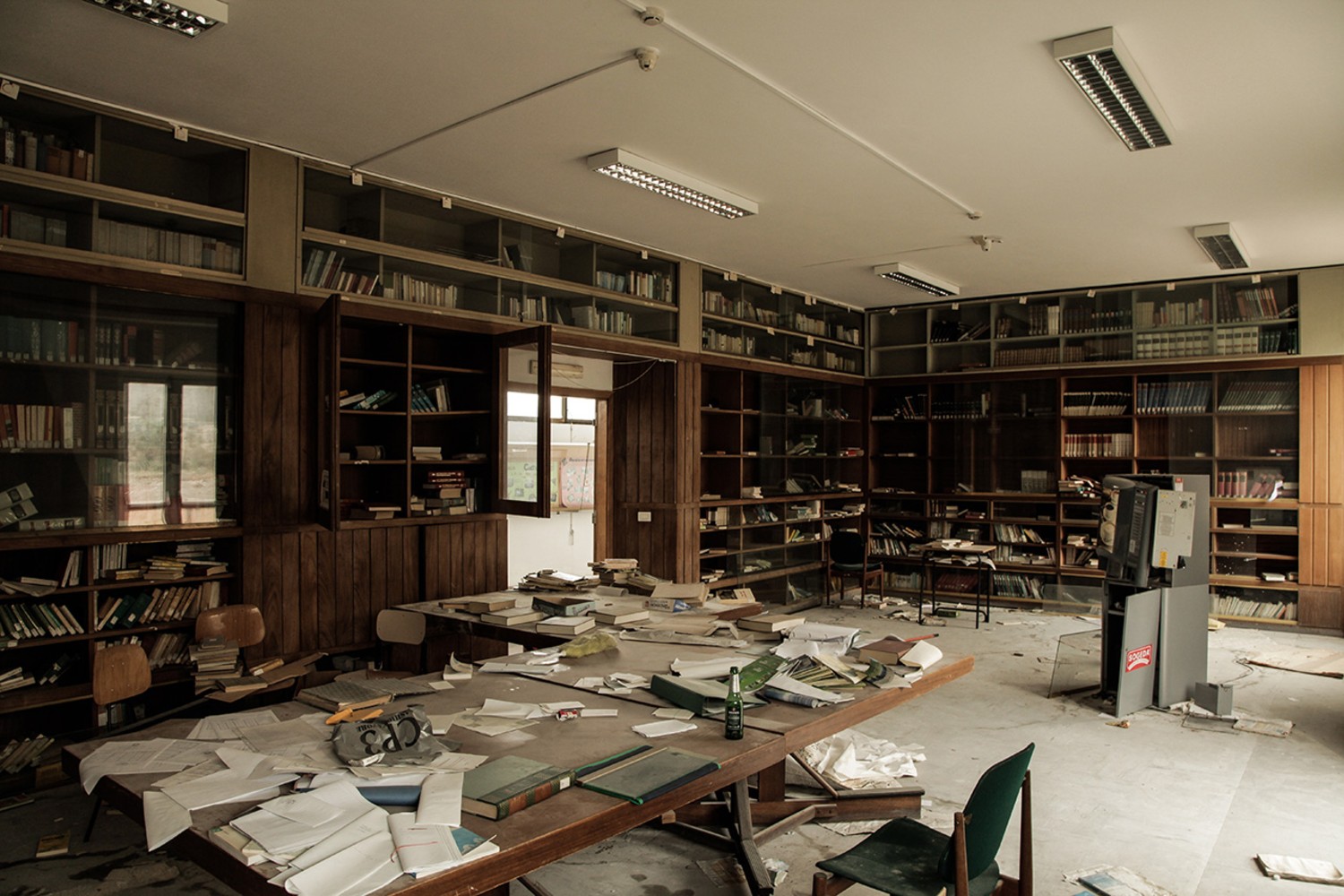
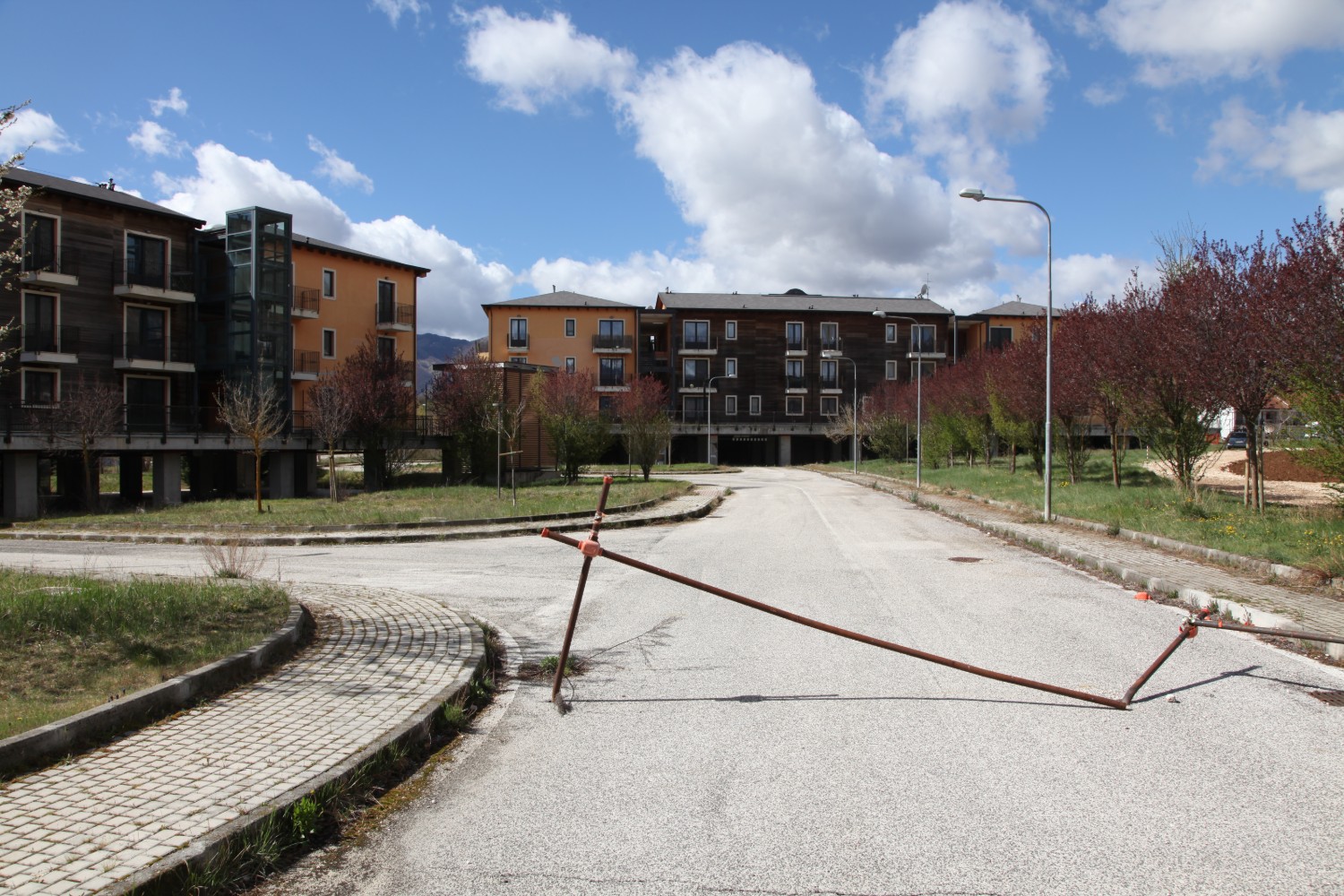
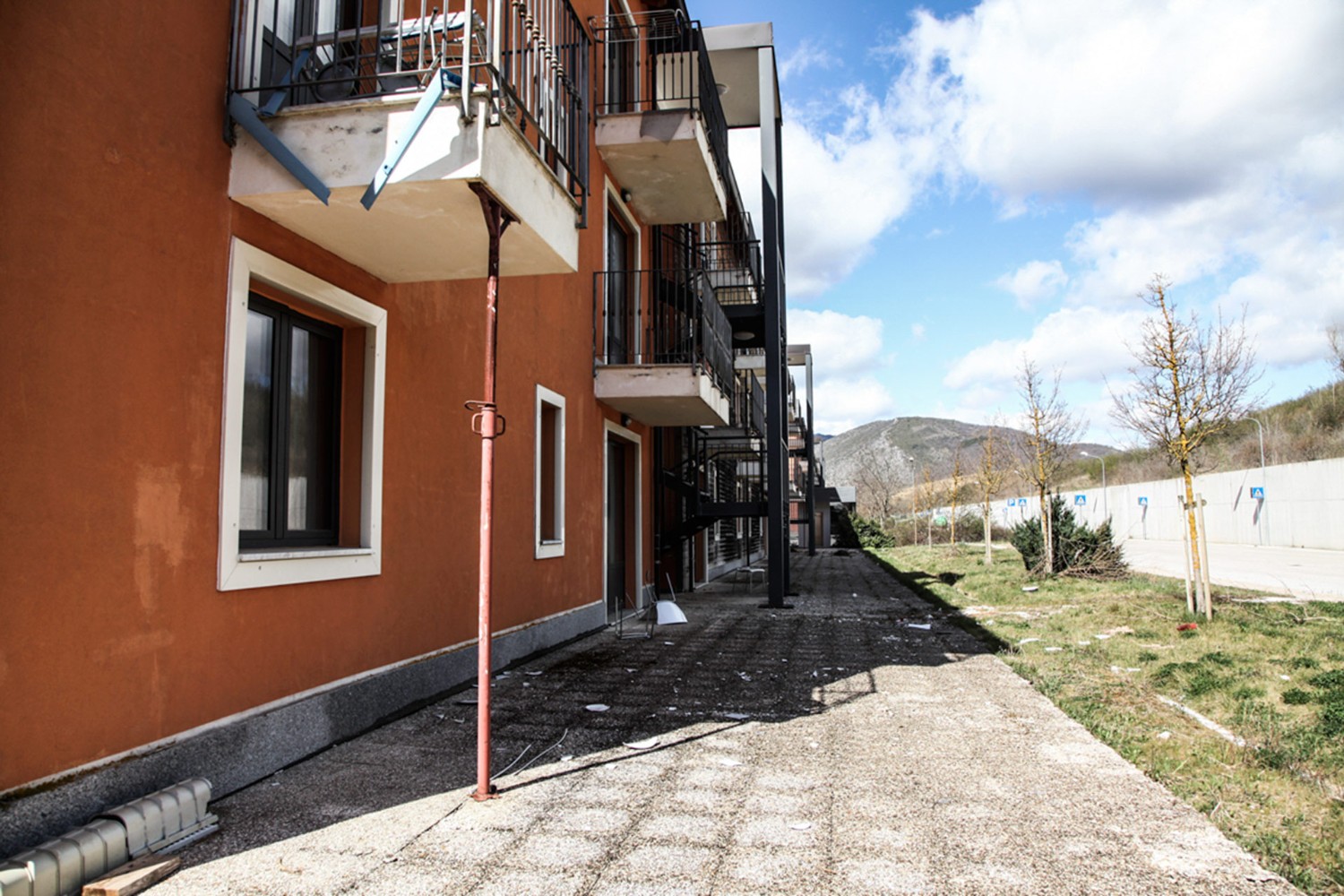
To this day, while an important part of the private buildings in the historic center are restored, but empty, most of the churches and public buildings – except for some of the most important and emblematic – remain in ruins, waiting to be restored. demolished or repaired.
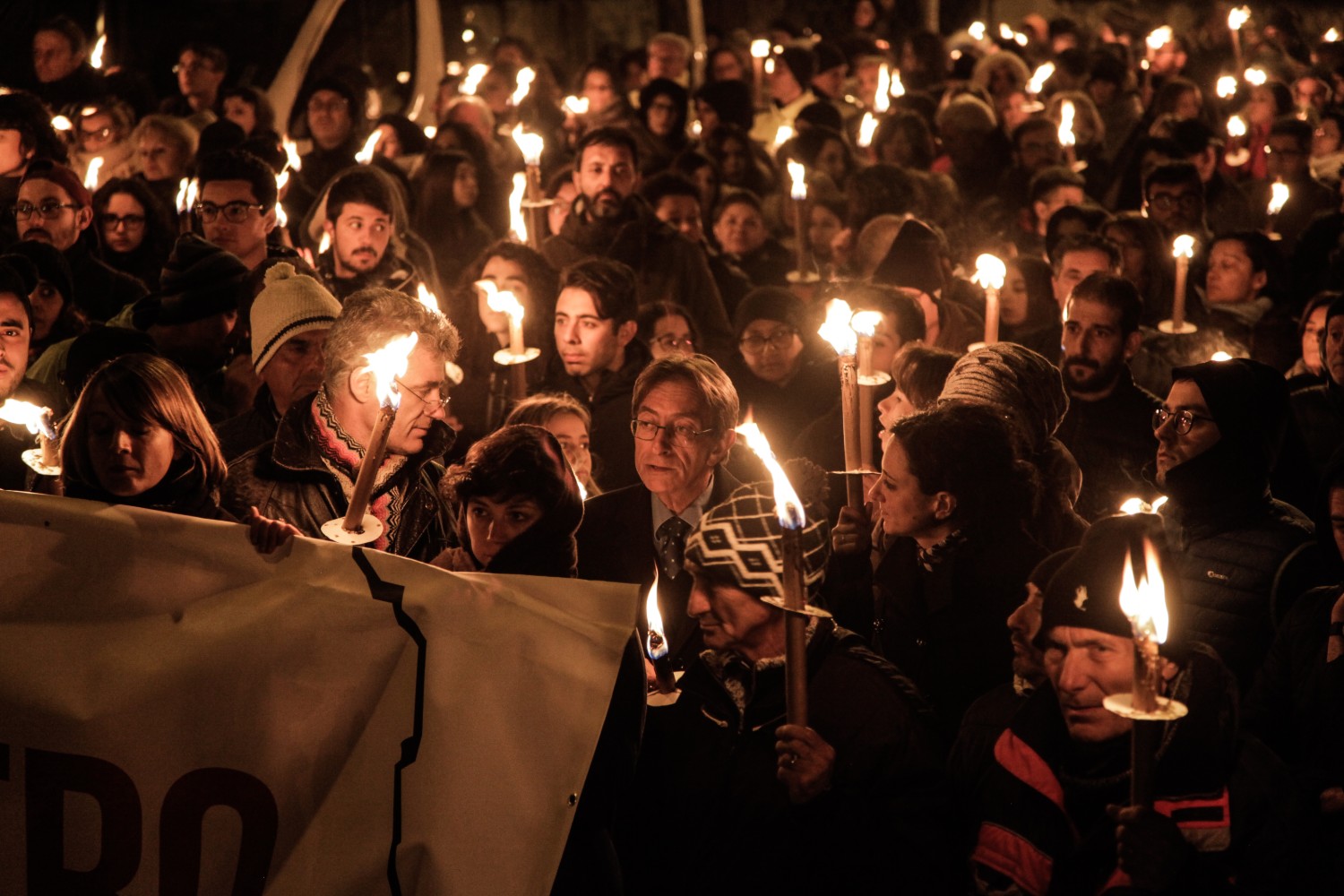
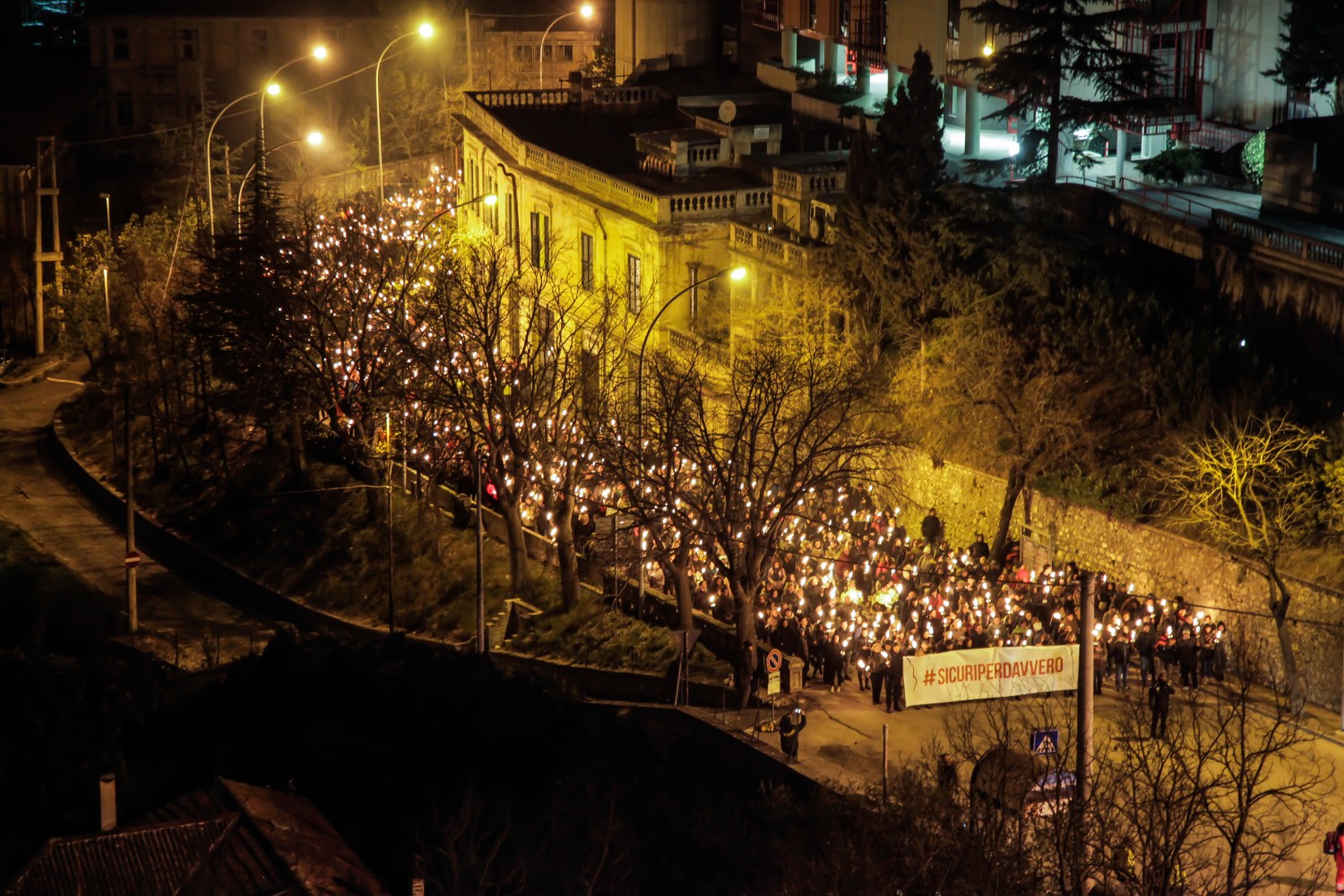
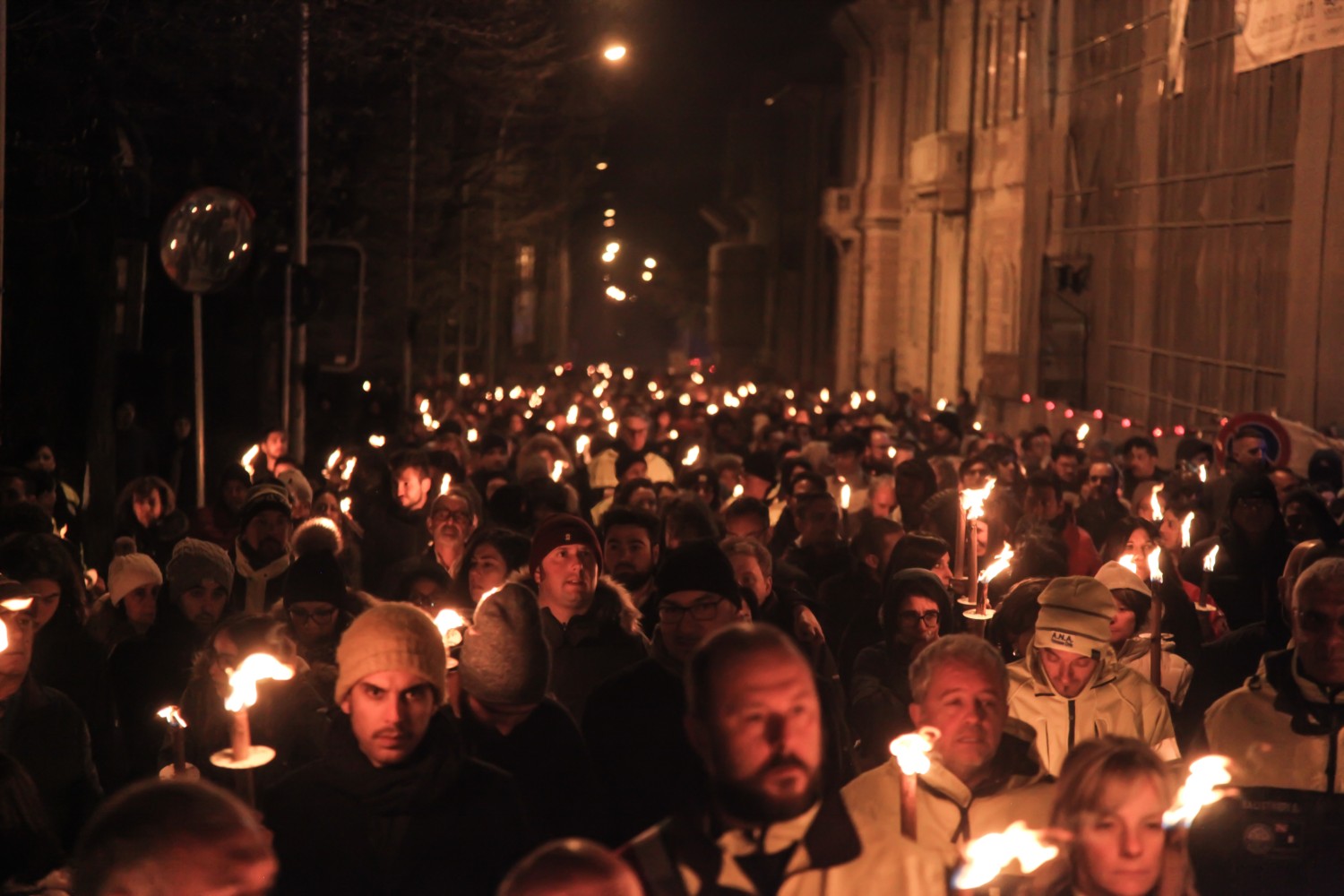
Taking advantage of the commemoration of the tenth anniversary of the earthquake there were several businesses that were inaugurated and the works that began in the historic center. For a few days, through some of the main streets, crowds of people could see and, in addition to the dust of the works, I could breathe something of the life and the environment that it treasured. Local institutions took advantage of this date to project the image of a L’Aquila that is reborn and that wants to become a safe, intelligent city and the main pole of knowledge in southern Italy – both due to the strict anti-seismic measures of its new buildings and its bet on technologies -. They claim that the counterpoint to depression and growing depopulation is the hope of culture.
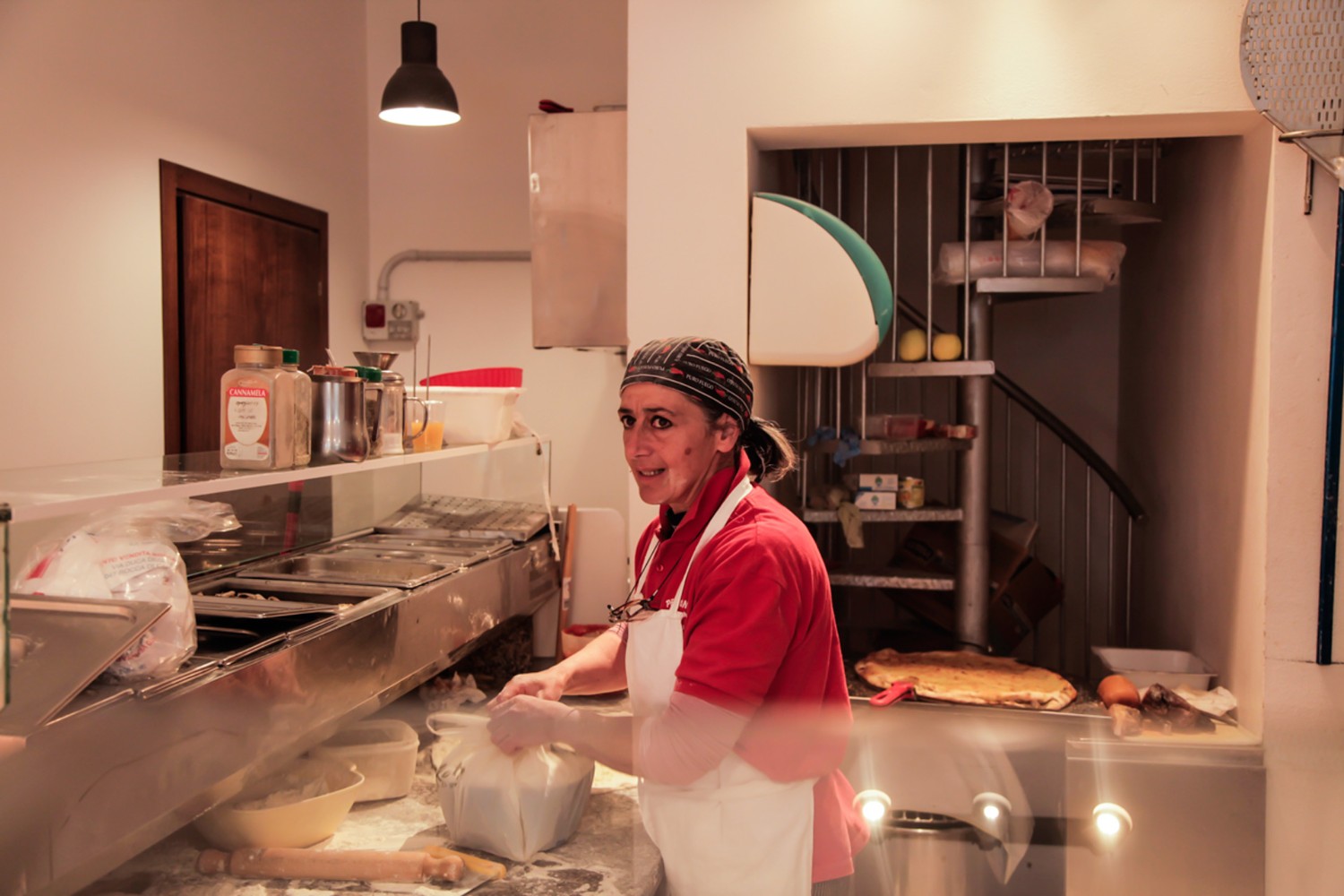
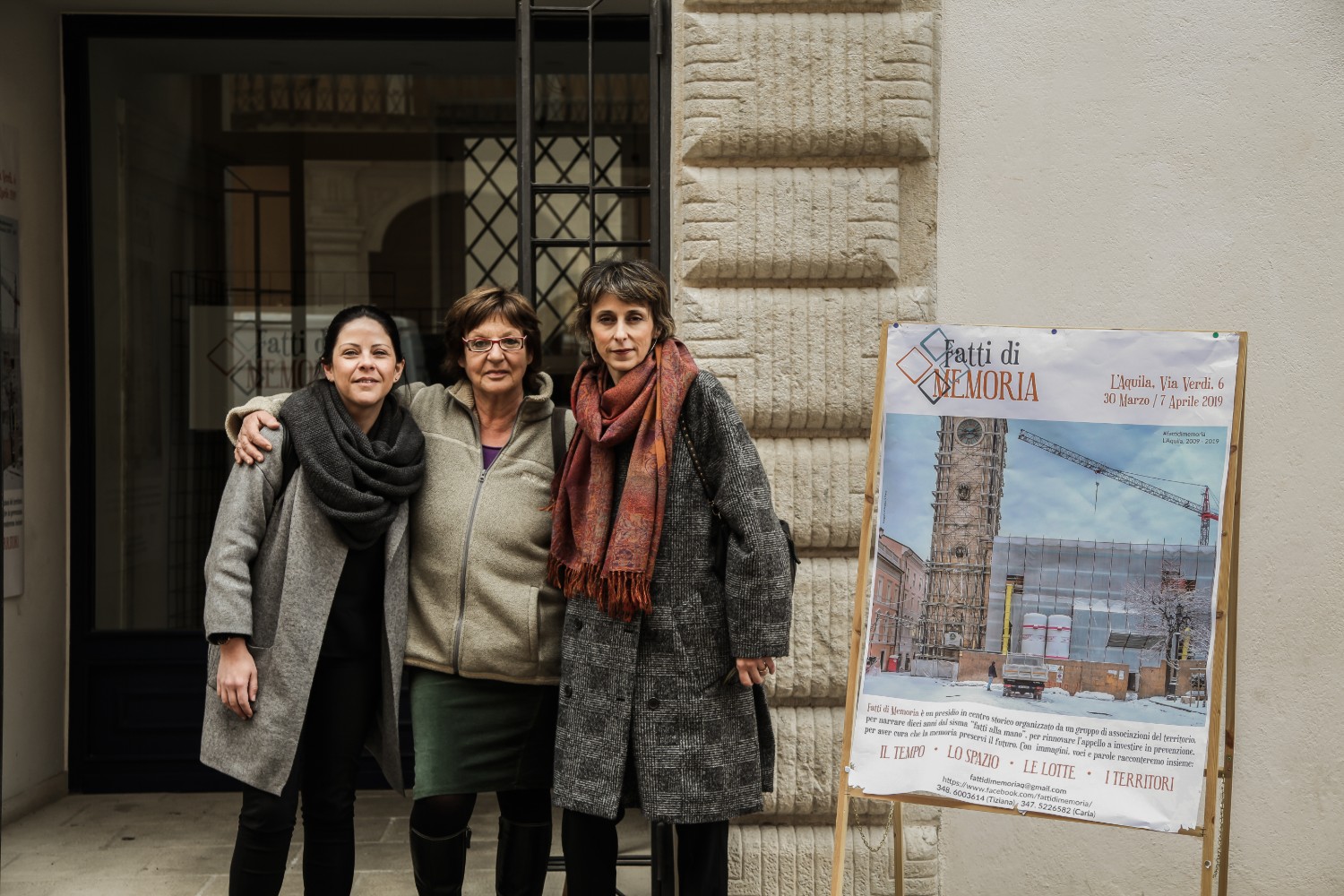
However, after April 6, the cranes continue to fill the sky of the city and the restored buildings and the squares remain uninhabited. The few merchants in the center and the dozens of associations that emerged after the earthquake do not tire of denouncing that the reality that the inhabitants of L’Aquila live today is quite another. Also during the days prior to the tenth anniversary some of these groups organized the Fatti di Memoria event. After several conferences, exhibitions and screenings, they presented their experience and numerous data that feed the frustration and resignation of an entire city in the face of the slow social reconstruction that speculation, unemployment and administrative obstacles cause.
More than a decade later and, every year, when the lights go out and the media attention disappears, the city is once again empty and soulless. L´Aquila has been a missed opportunity to debate among the entire population the bases on which to establish a new identity and, most importantly, to rebuild the city socially.
WORK IN PROGRESS.