












In transit
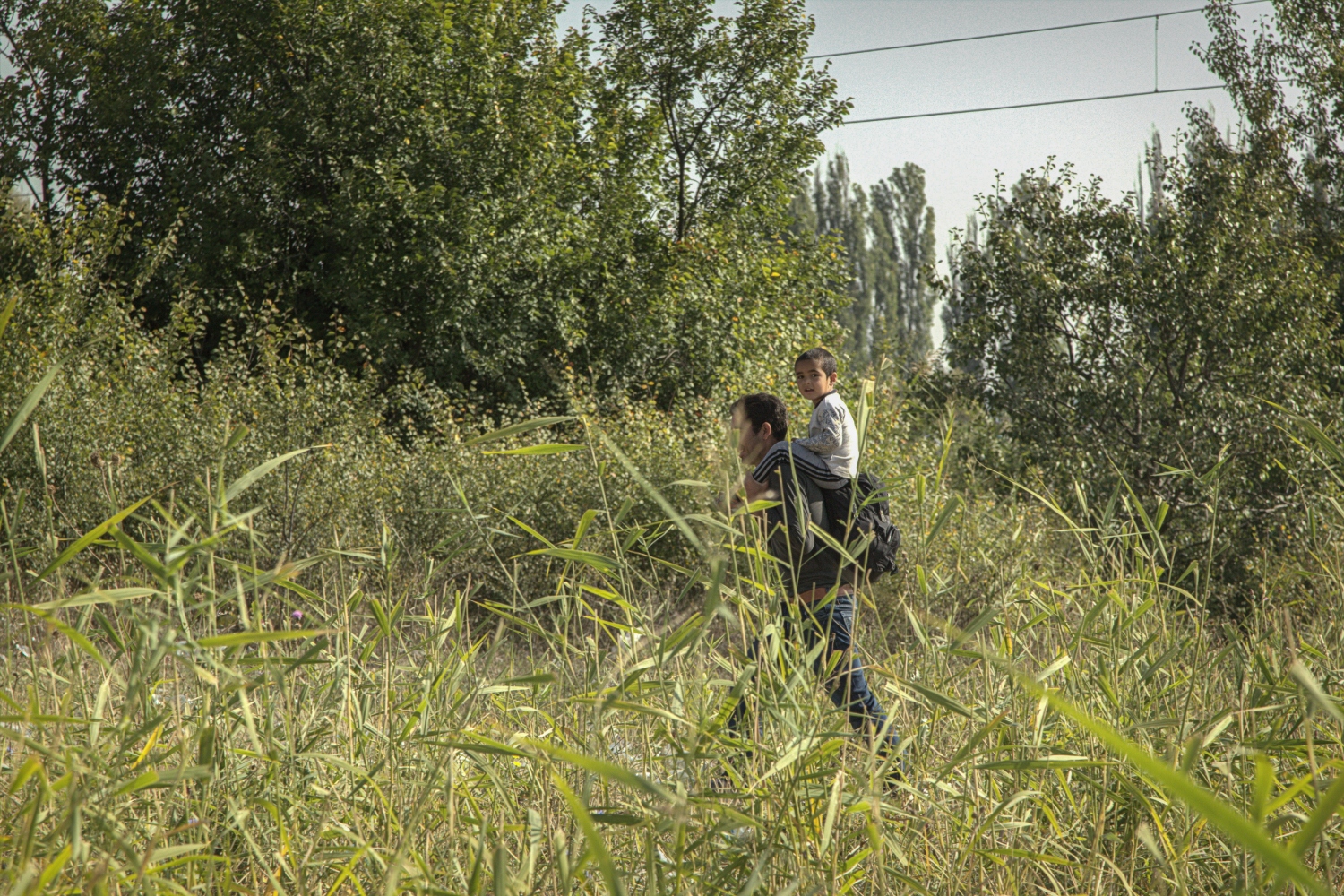
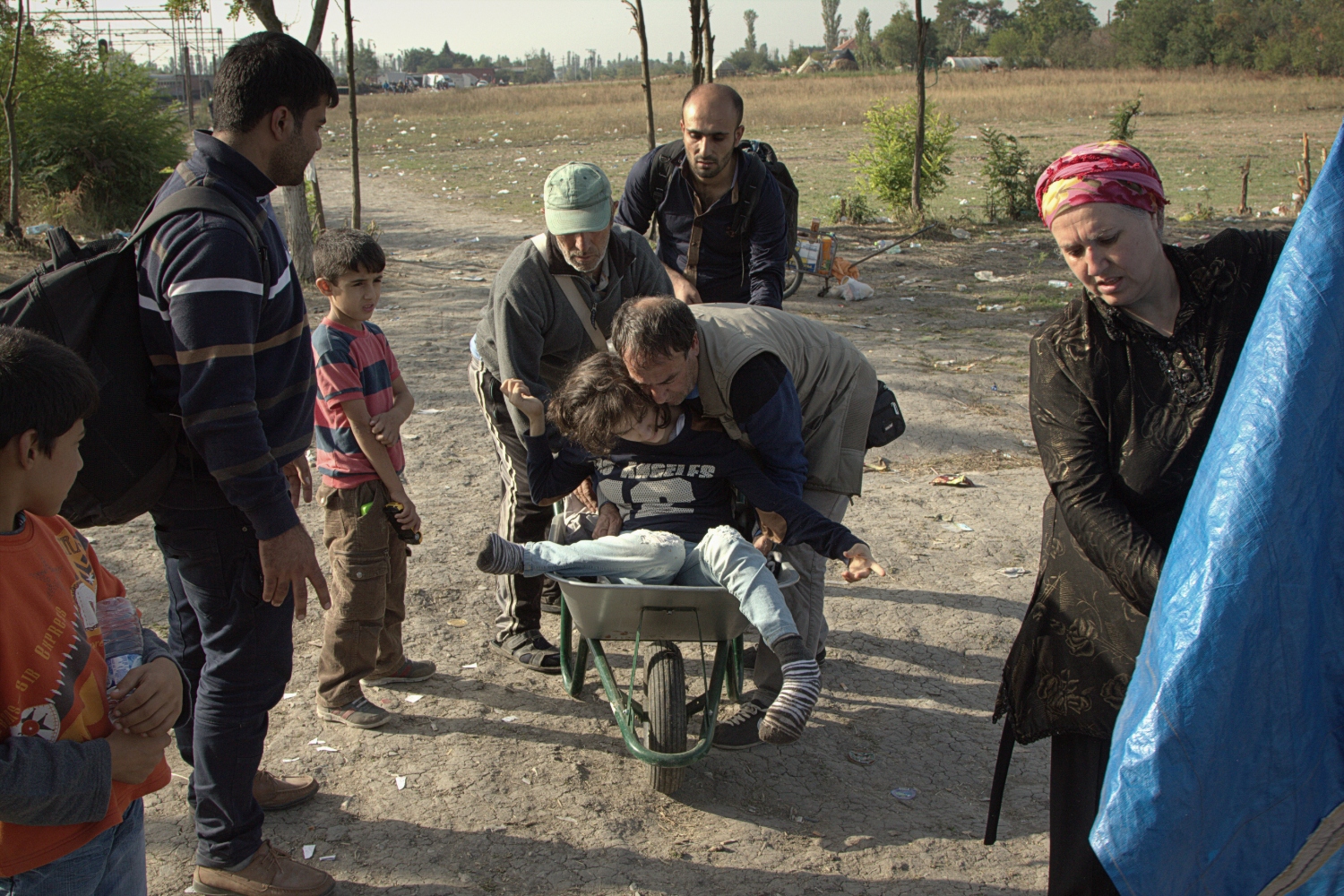
Attracted by the idea of a better and less hostile life and convinced they could obtain the documentation that would allow them to travel and settle in other Western countries, thousands of families and young people put their physical integrity at risk to reach their goal of entering Europe.
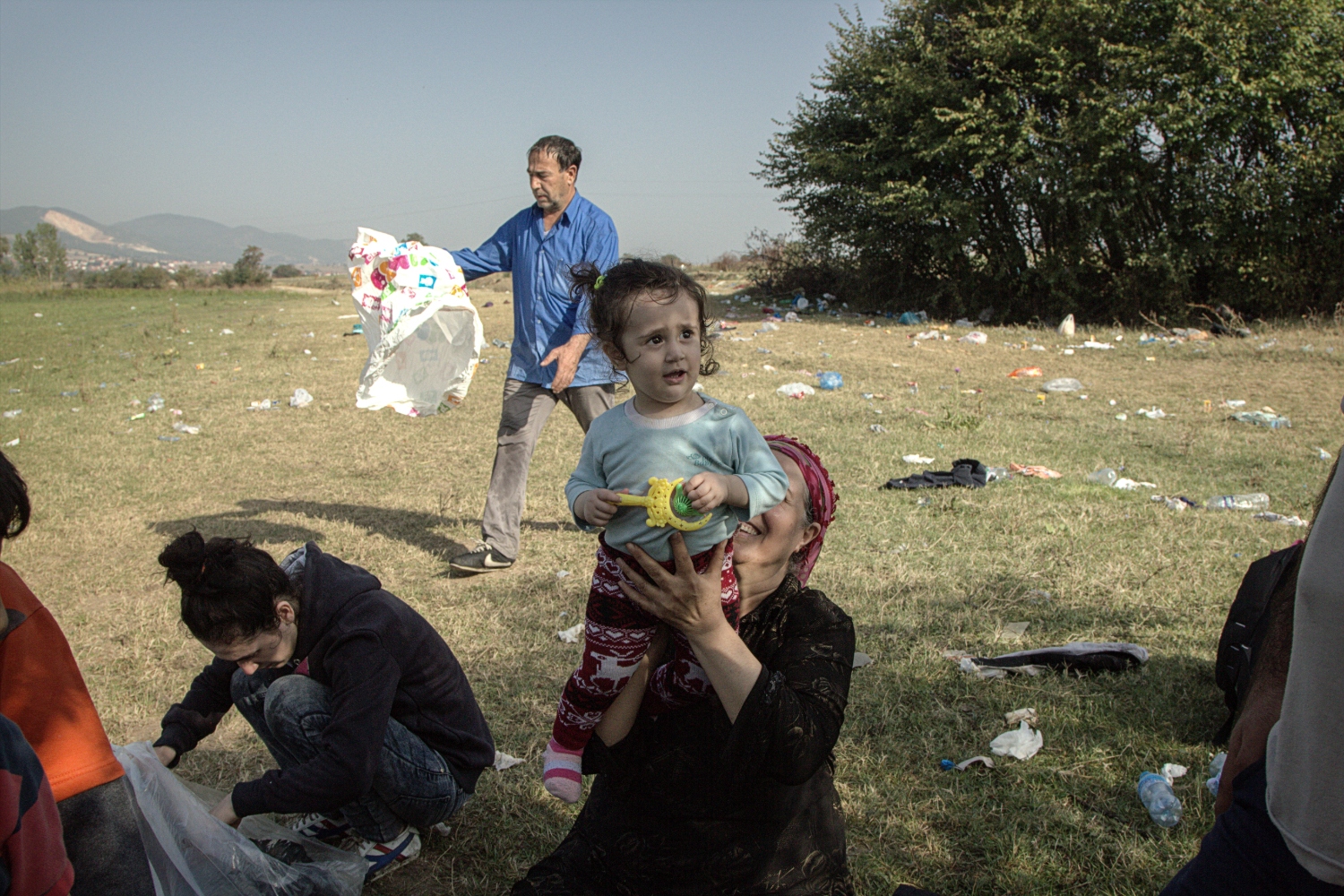
However, the reality they discovered was different from what they had in mind. They found that Bulgaria and the Balkans, in addition to become their purgatory, are poor and unequal countries in which a large majority of people survive with very low salaries and pensions, and where the most disadvantaged minorities and groups live condemned to oblivion and ostracism.
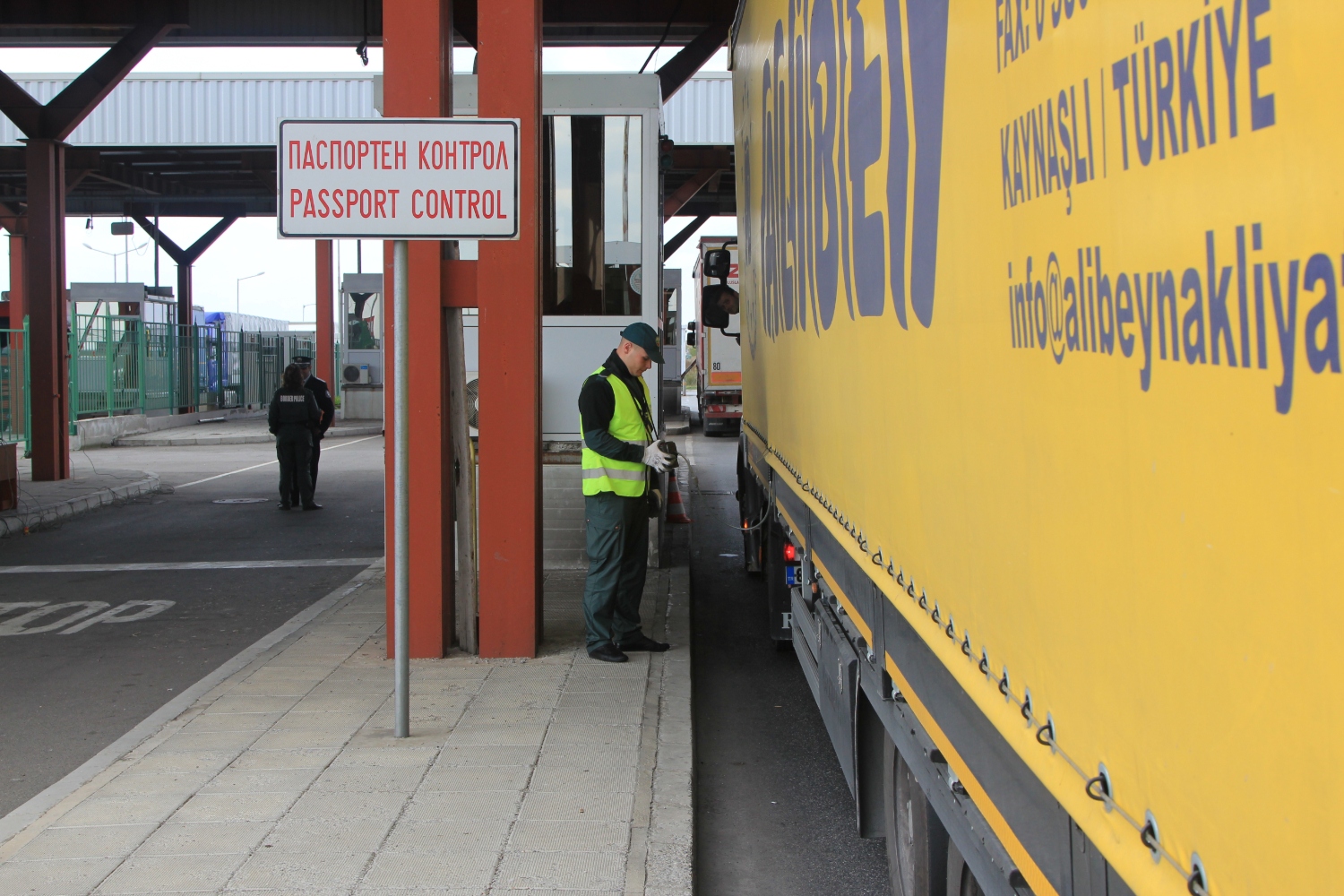
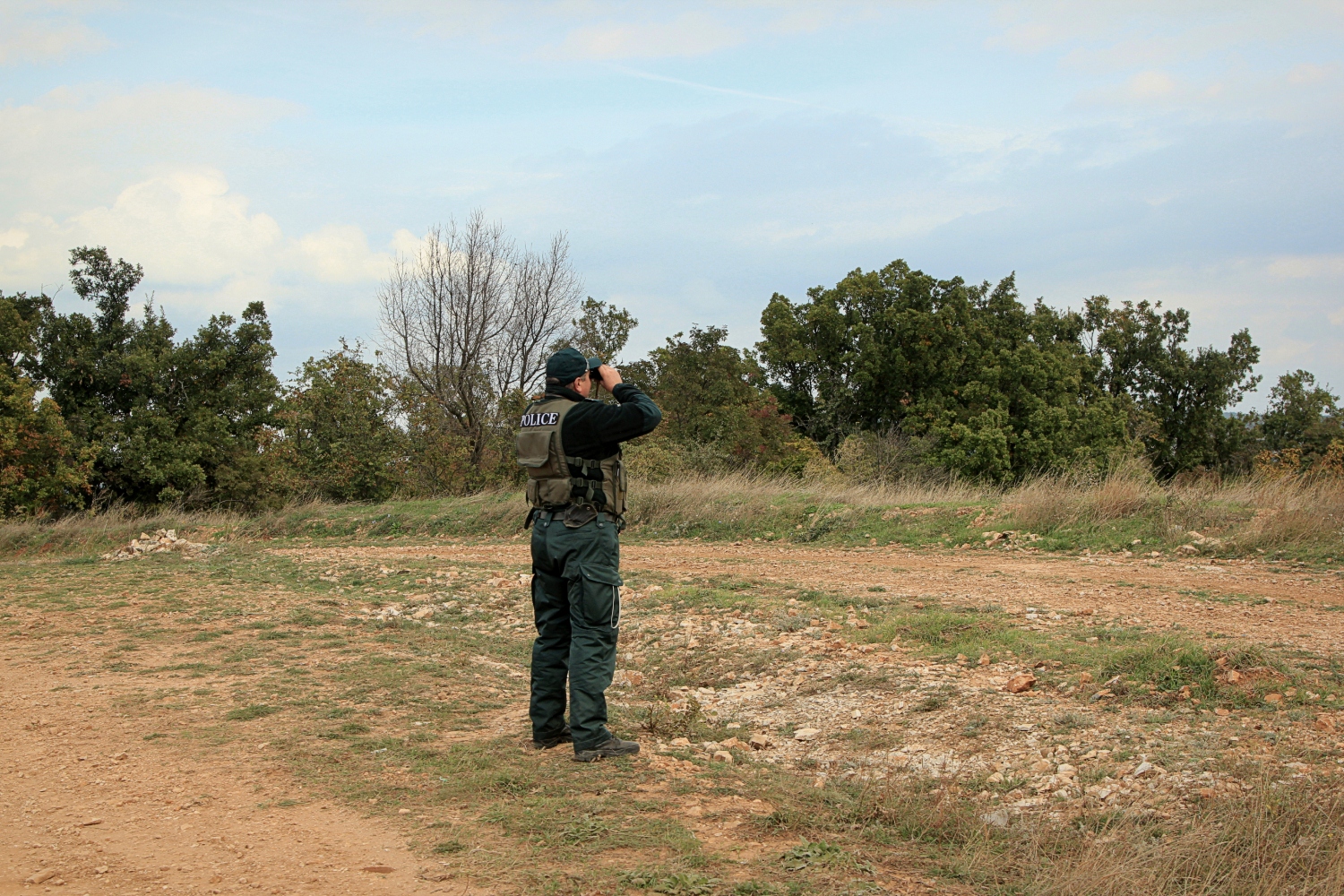
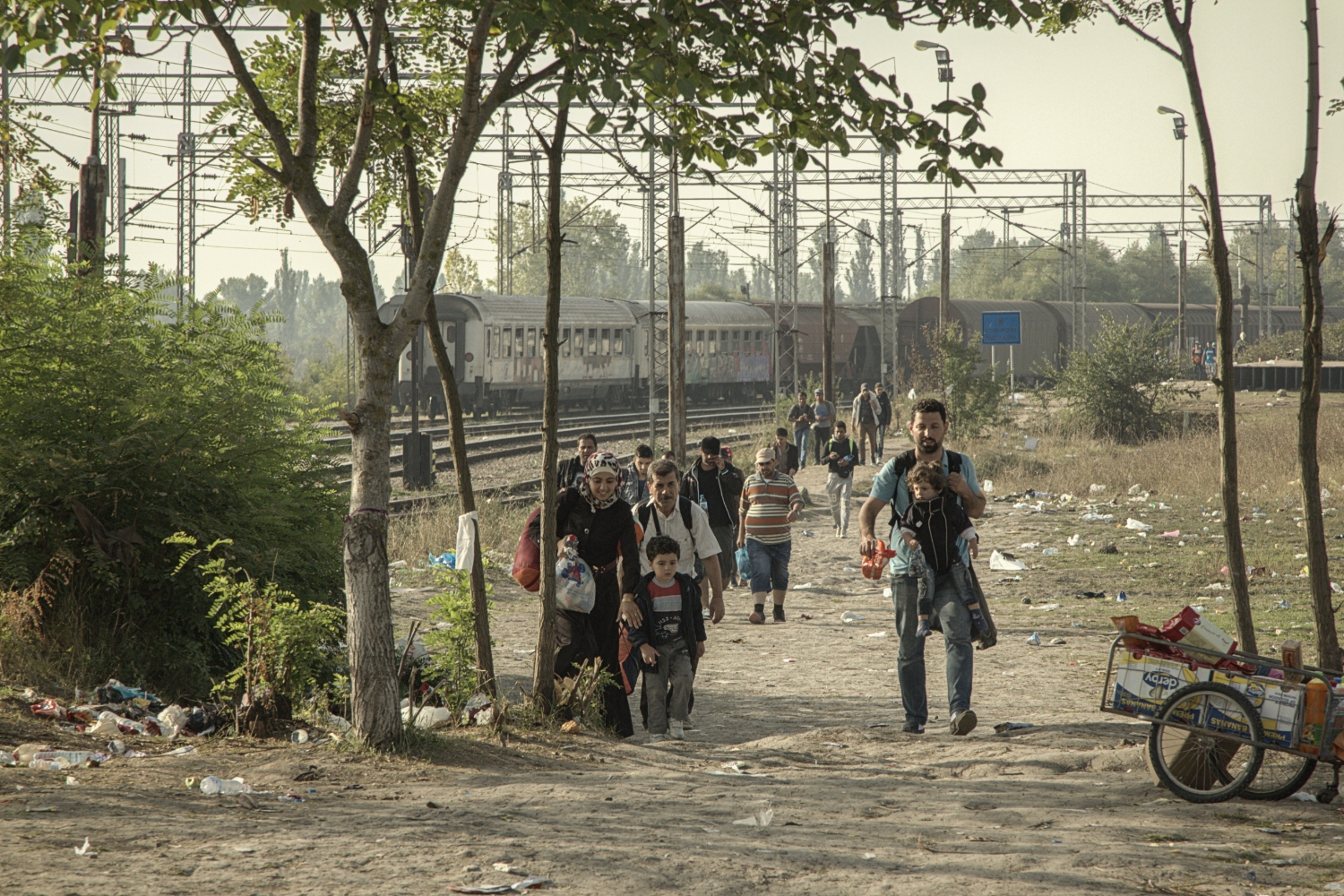
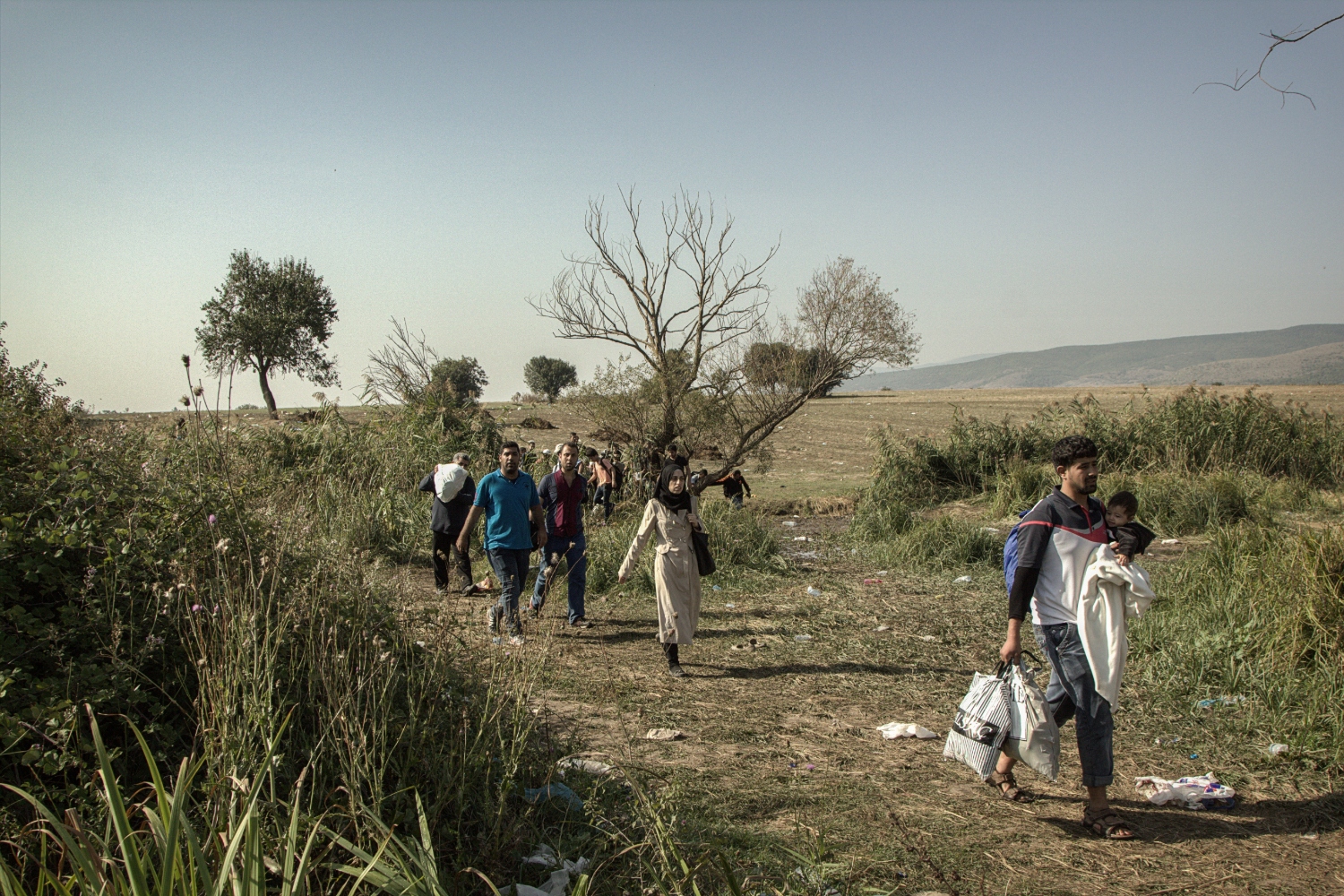
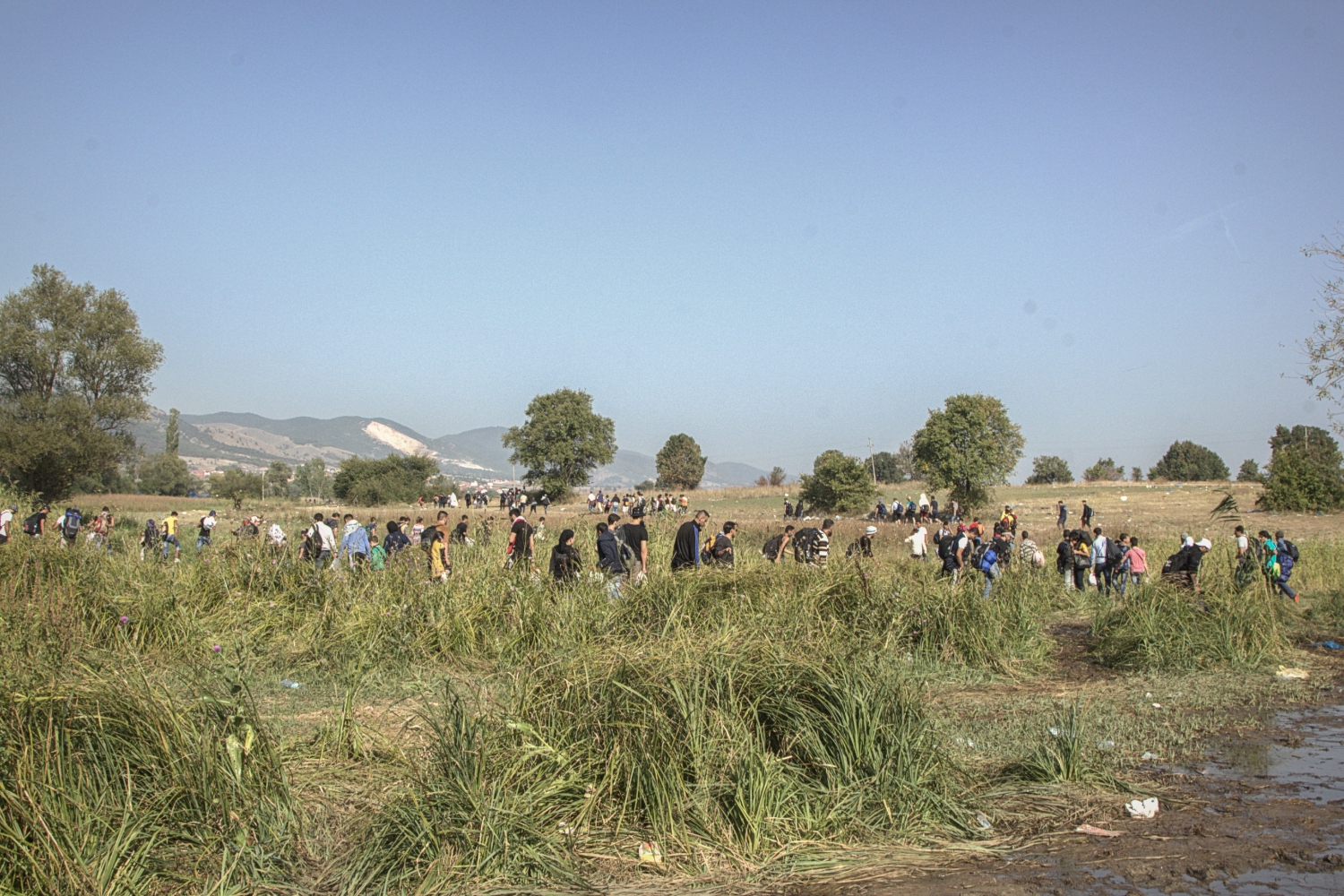
Former train stations and border areas recovered the function and activity they had in the former Yugoslavia and they became compulsory transit points for a large part of the 250 000 refugees and migrants from the Middle East and Africa – mostly Syrians and Afghans. According to local governments, in 2015, they traveled the hundreds of kilometers that separate southern Serbia from the town of Gevgelija, on the Macedonian-Greek border.
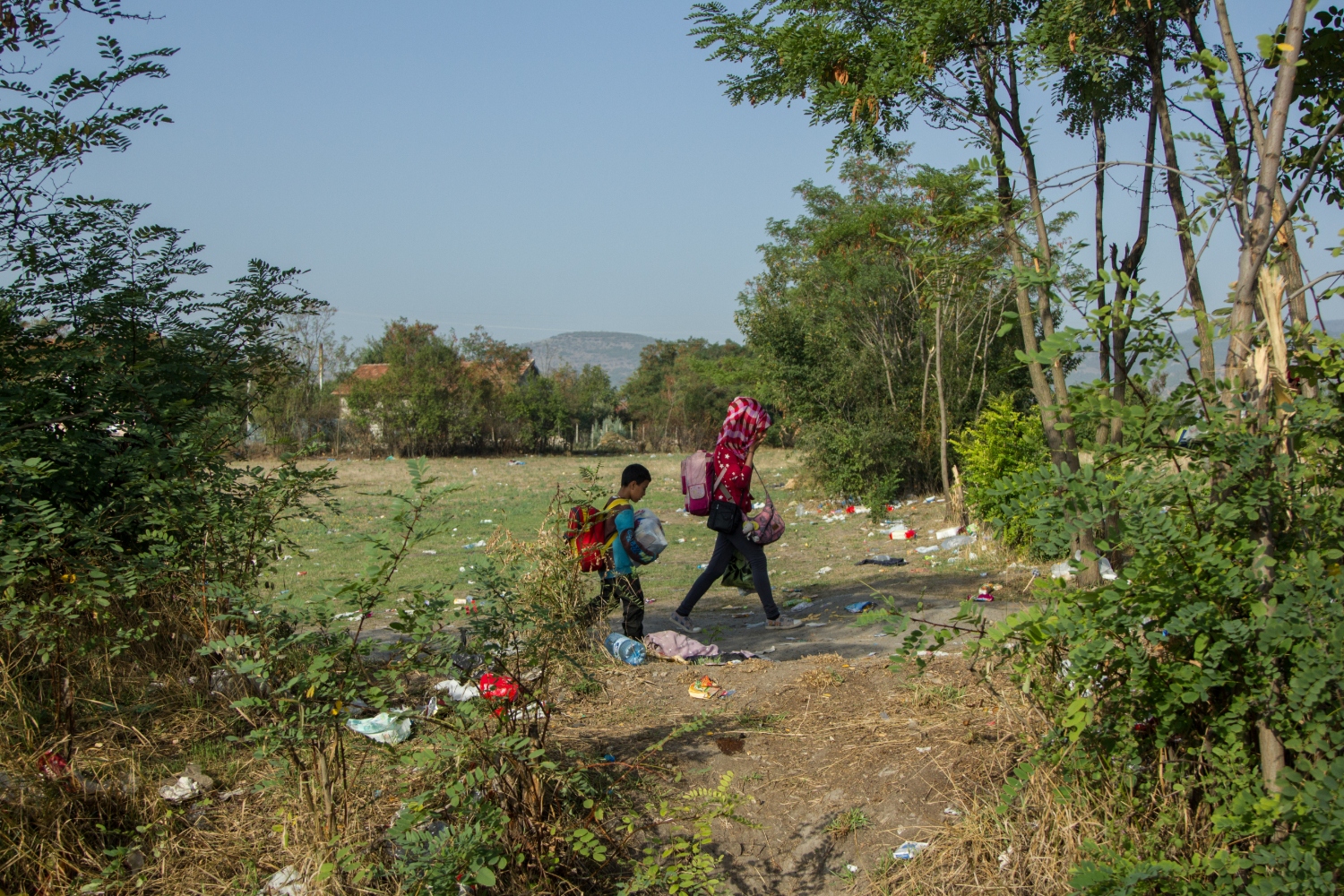
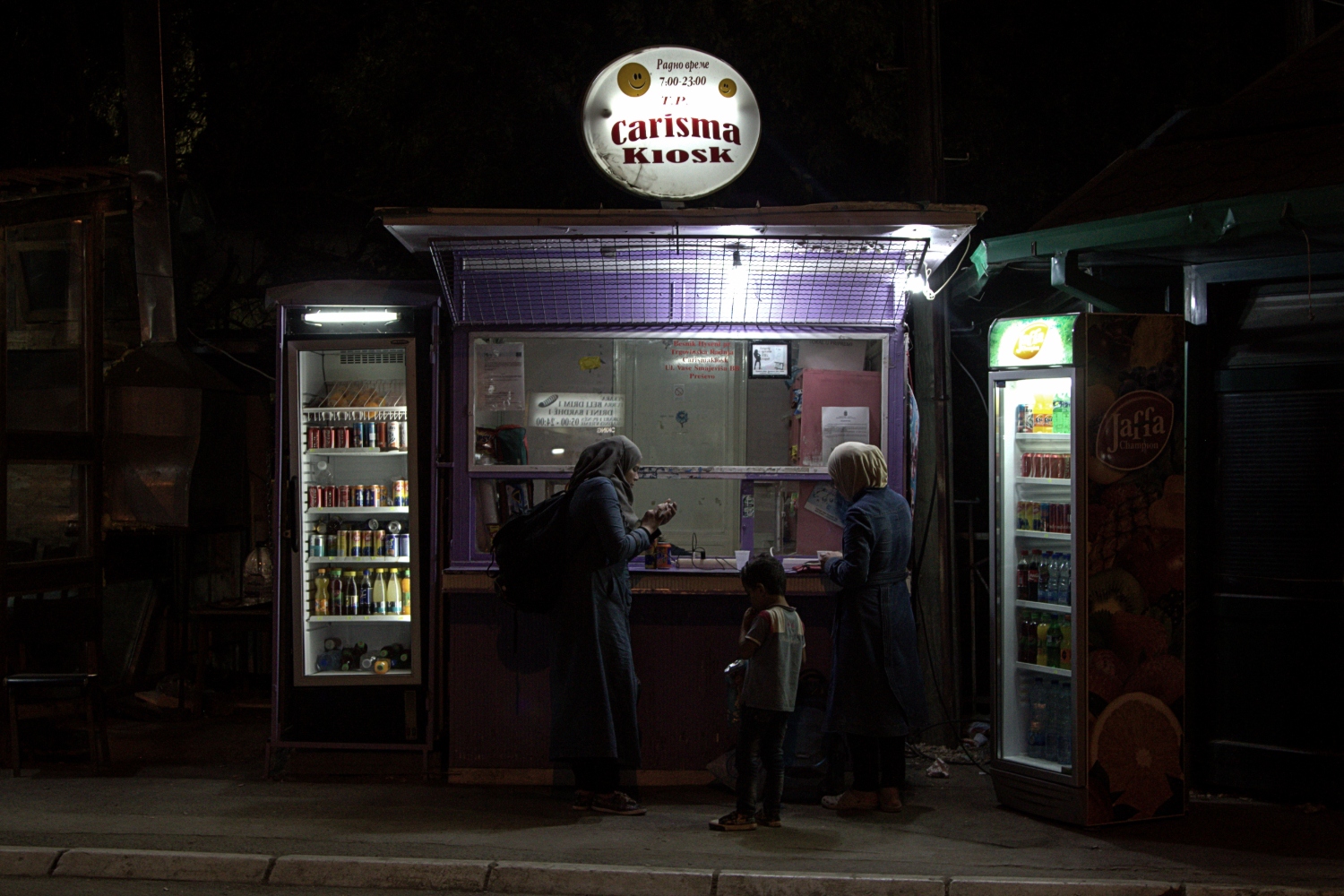
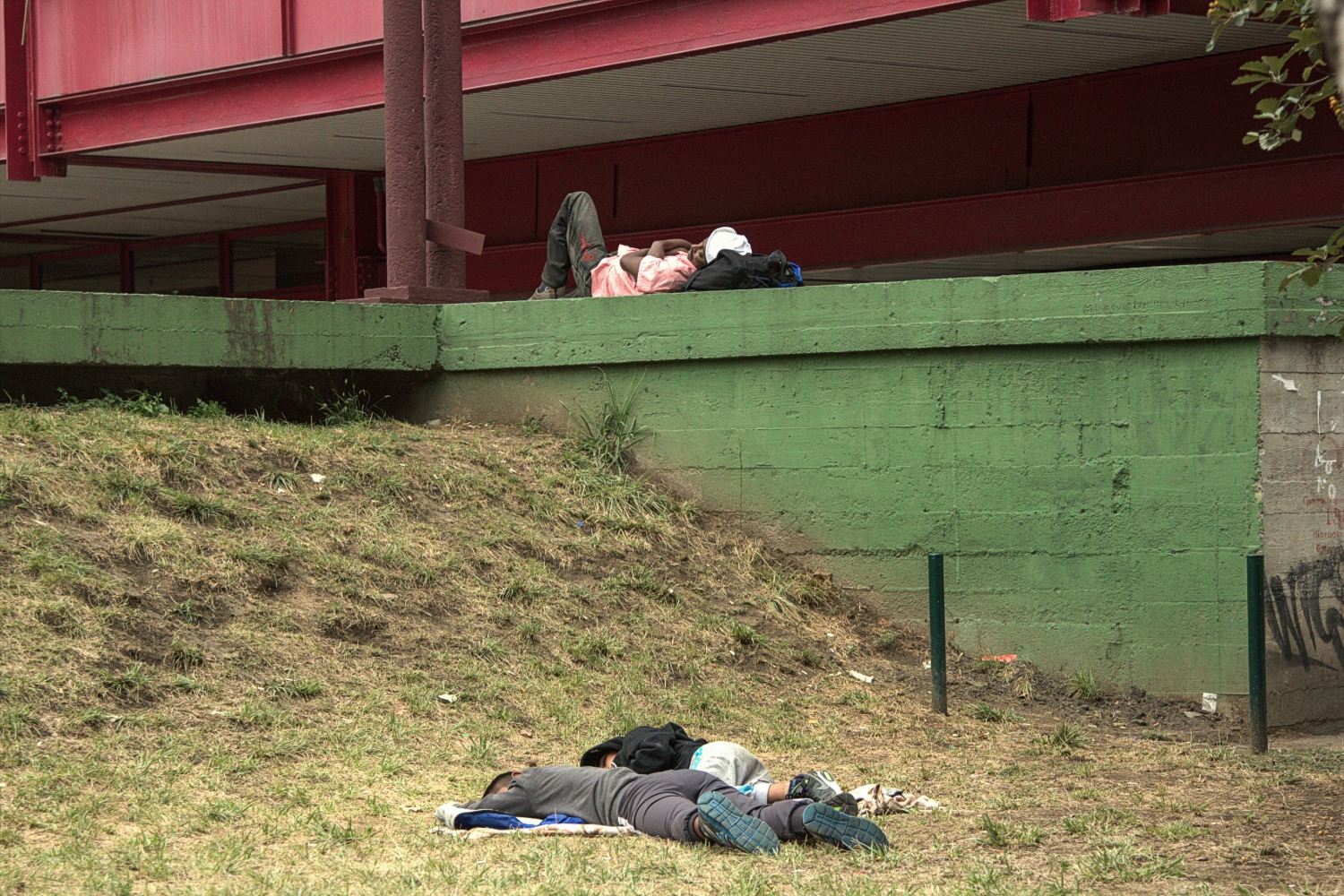
Every day, a silent mob of hundreds of people, sometimes thousands, emerged from the train, laden with bags, backpacks, and uncertainty. From there traveled to Belgrade, where they camped in the middle of any park, and from there they took buses that would take them to Hungary or Croatia. The closure of the external borders of the European Union with Bosnia & Herzegovina and Serbia trapped thousands of people in the middle of their odyssey in places where they did not want to stay and where they were not well received either. There they awaited their opportunity, again, on another Balkan border.