









Bulgaria
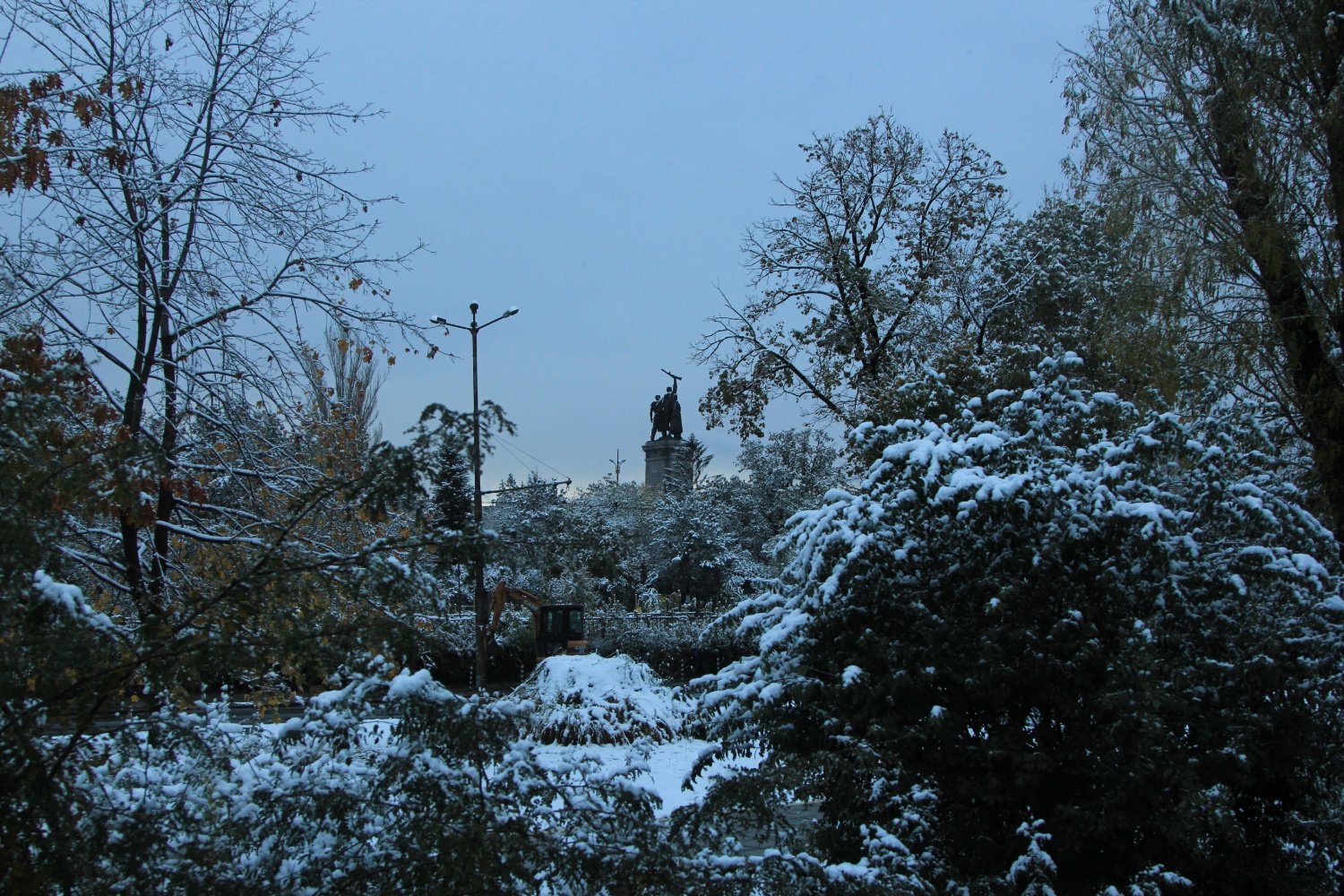
Due to its geographical location, Bulgaria has historically been an important place of commercial transit and crossroads of cultures. It treasures a long, twisted and eventful history, first as an Empire, with its expansion and its dreams of greatness, and later as a victim, dominated for centuries by two Empires – Byzantine and Ottoman – and under the shelter of the USSR for much of the time. second half of the 20th century.
To this day, more than thirty years after the fall of the Iron Curtain, Bulgaria is the poorest country in the European Union, made up of huge minorities. Therefore, any narrative or visual proposal about the Balkan country should try to answer a difficult question above all else, what is Bulgaria?
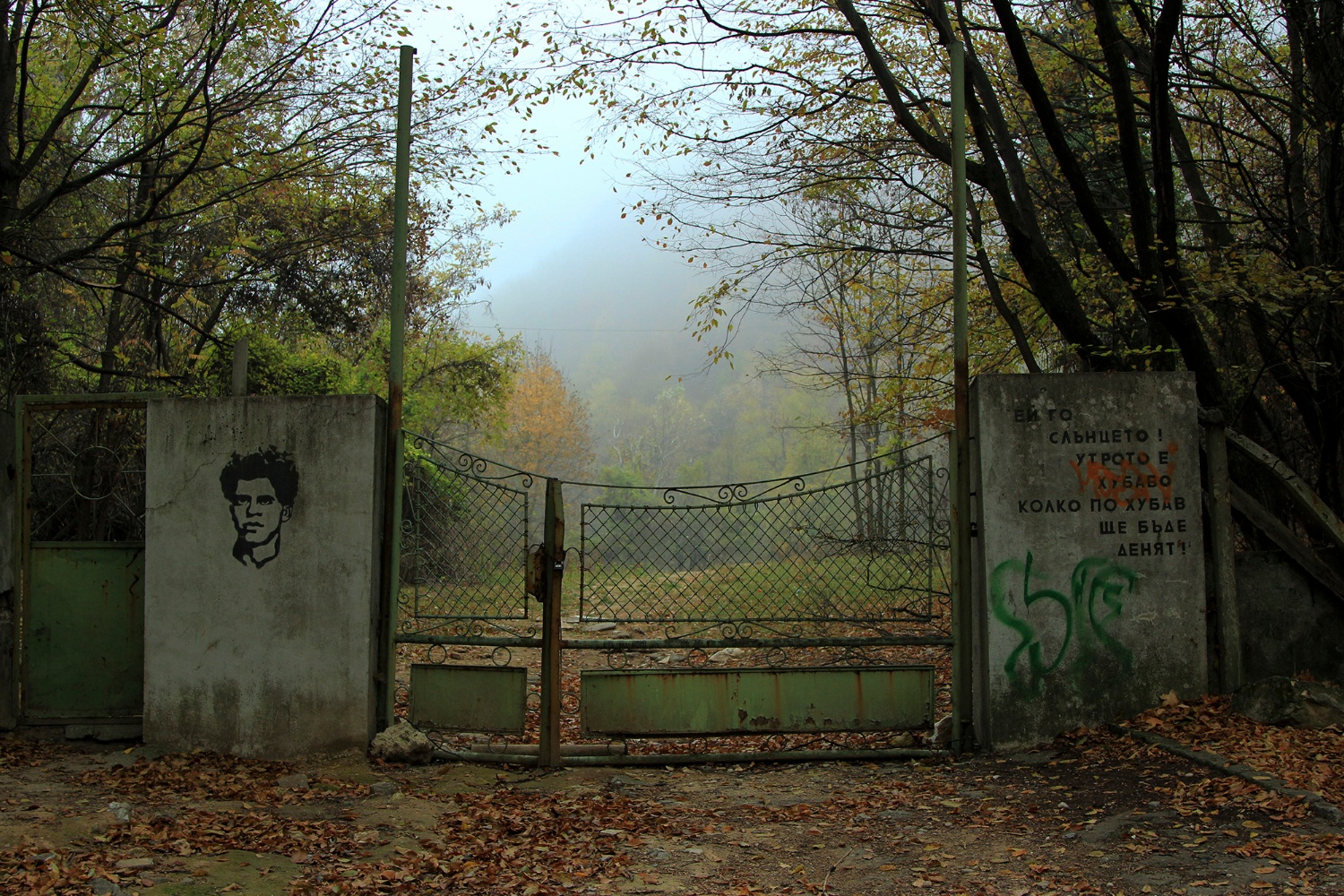
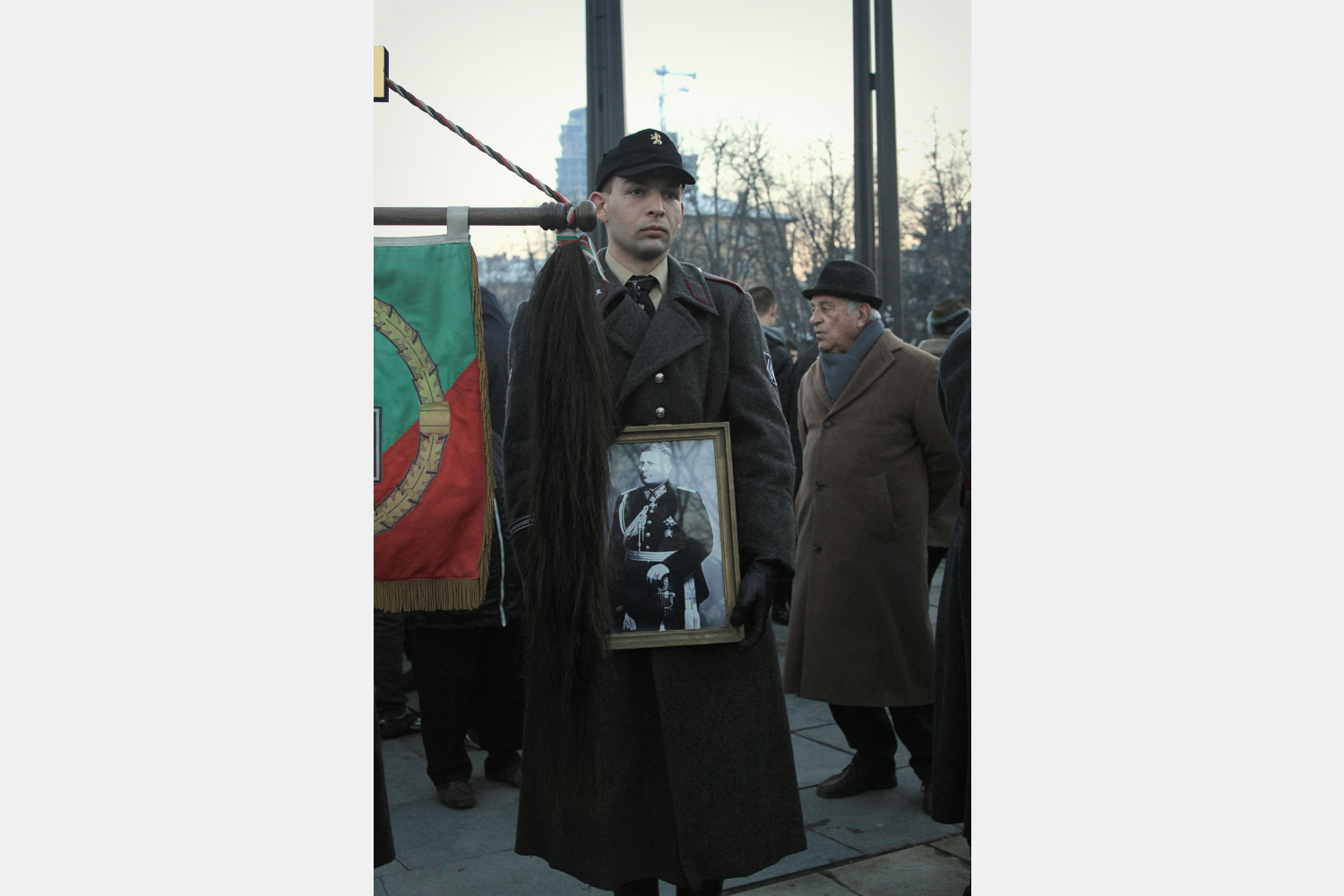
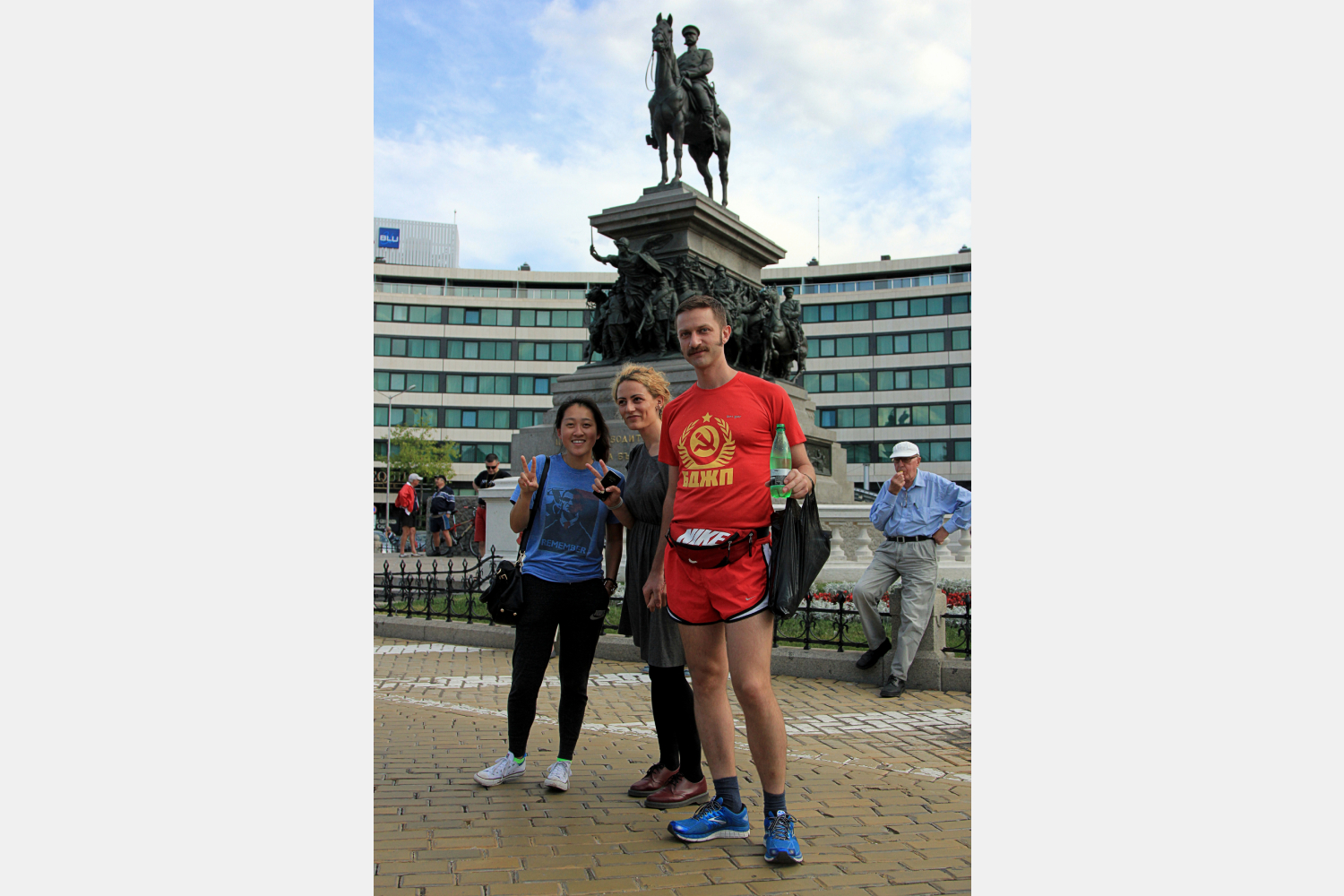
The country continues to be divided between those who want to forget the past and adhere to the market economy and the rules of the West, and those who embrace the nostalgia for another era and way of understanding life. A society in abeyance, ruled by dubious businessmen, endemically unequal, with numerous depopulated and increasingly inhospitable regions.
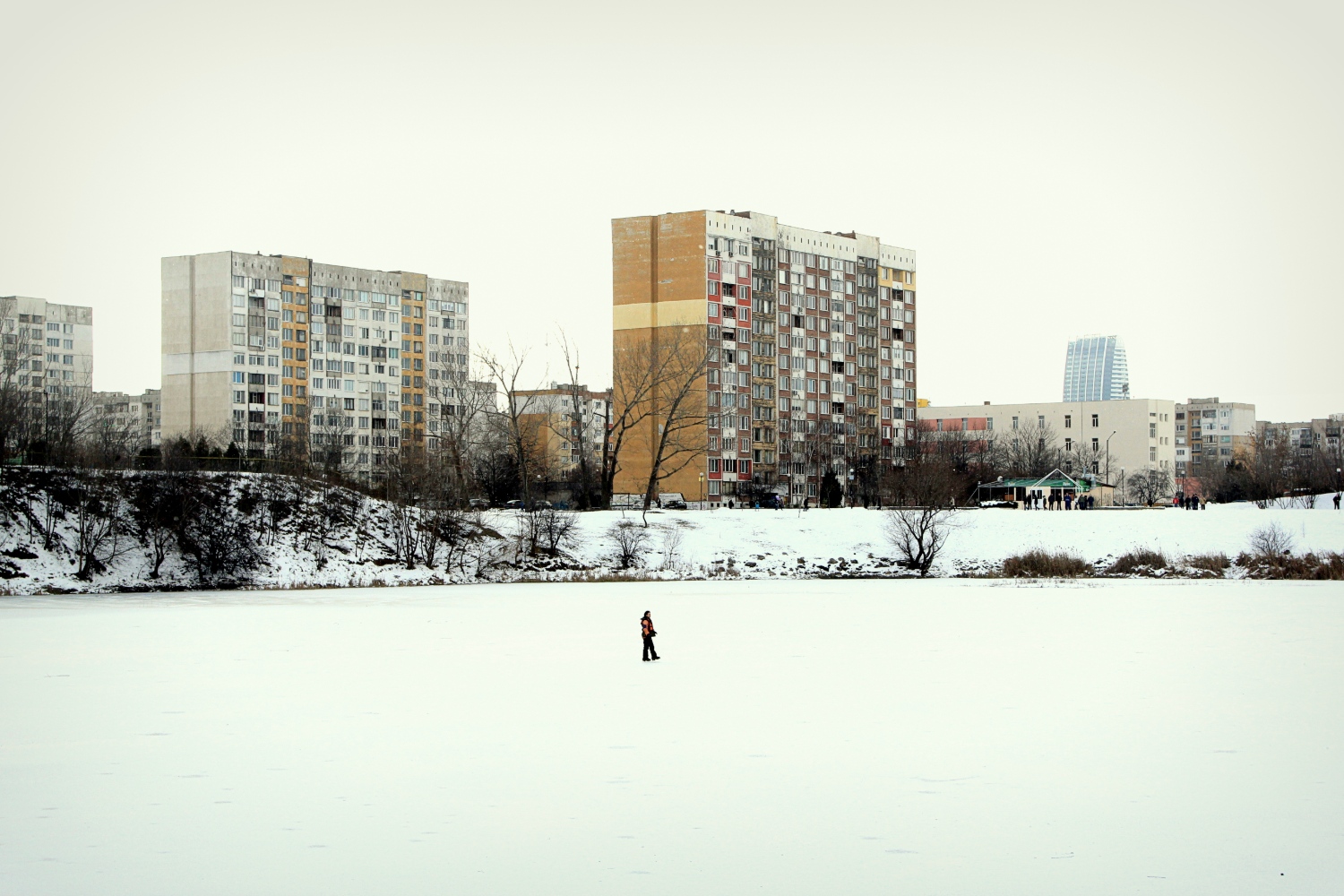
In the city, modern venues and brightly lit avenues intermingle with the chimneys of the old chemical and thermal power plants and the narrow and gloomy streets that appear calm.
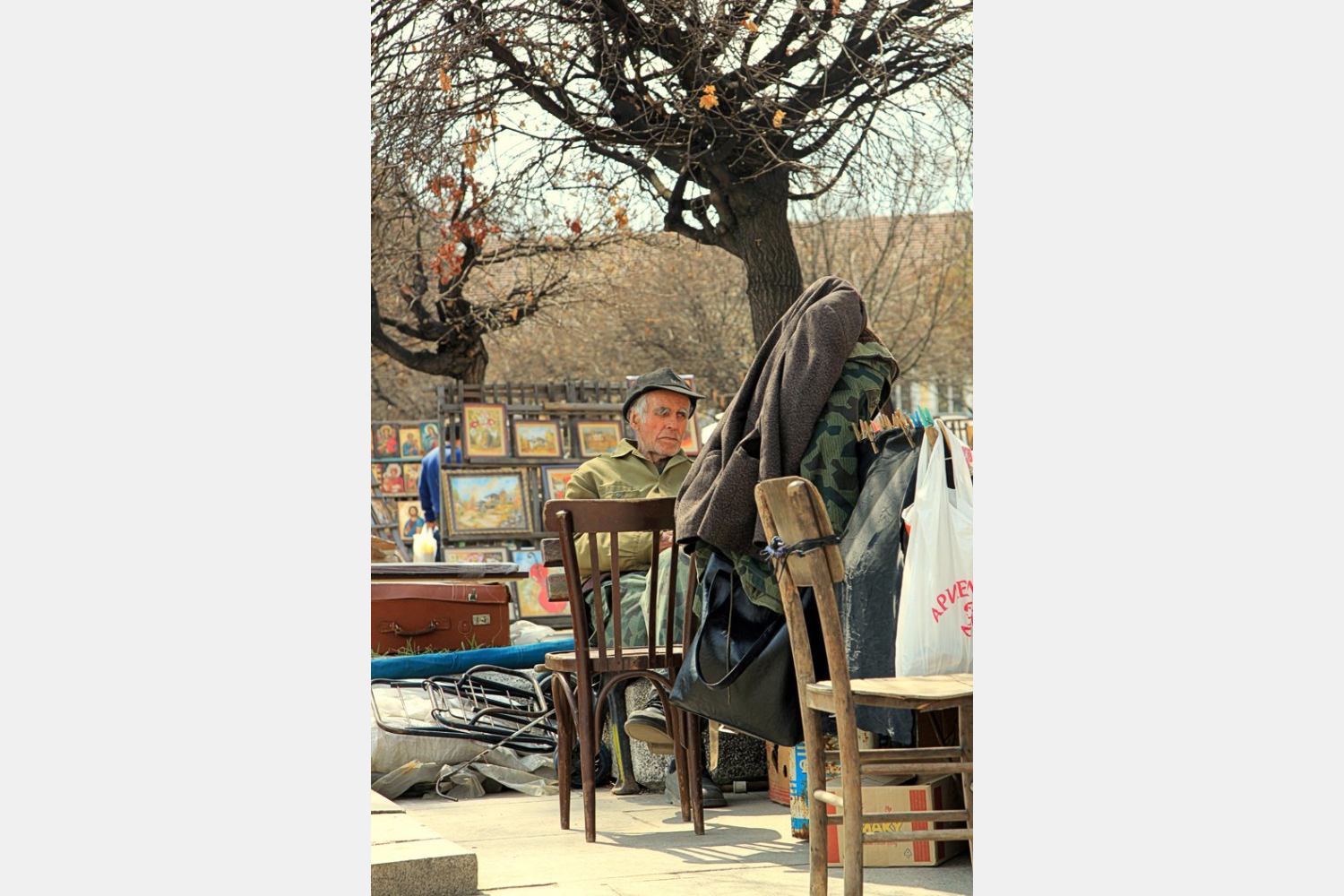
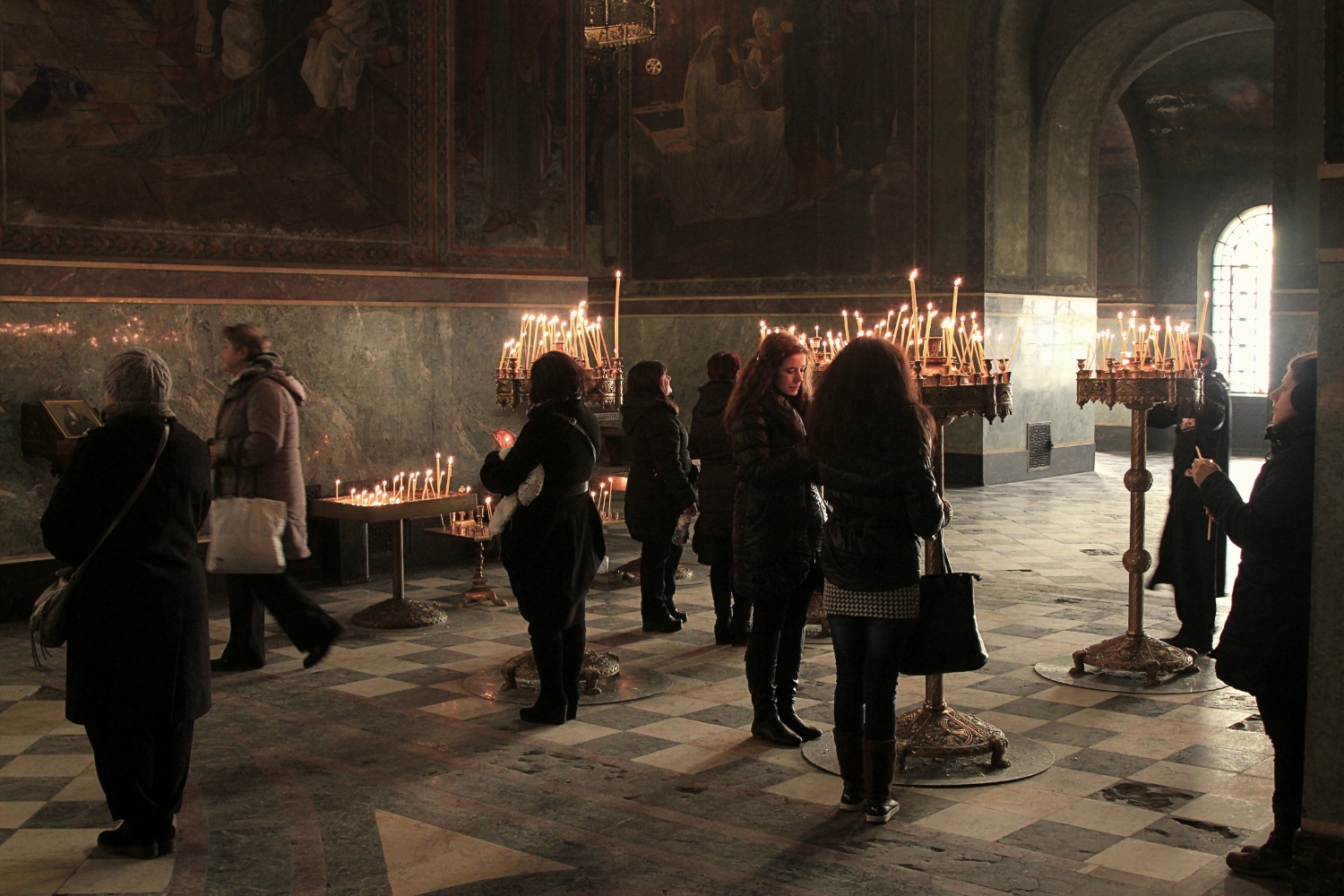
In the rural environment everything flows at a slower pace. Traditions and rituals are preserved and in certain places they still guard their present.